Water Damage Restoration Farmington, MN
Snowmelt, a split supply line or a stalled sump pump puts water into a finished basement fast, and carpet pad and drywall start wicking within hours. The extraction crew pulls it out and the drying team dries the structure to IICRC S500.
(888) 432-4933Report basement water to dispatch Dispatch open 24/7
Water spreading across the lower level right now? Close the main shutoff if it is safe, then call.
(888) 432-4933Water Damage Restoration Services in Farmington, MN
Water and sewage only, from the first extraction pass to the last dry reading, sized for the basements, frozen lines and ice dams that drive most losses here.
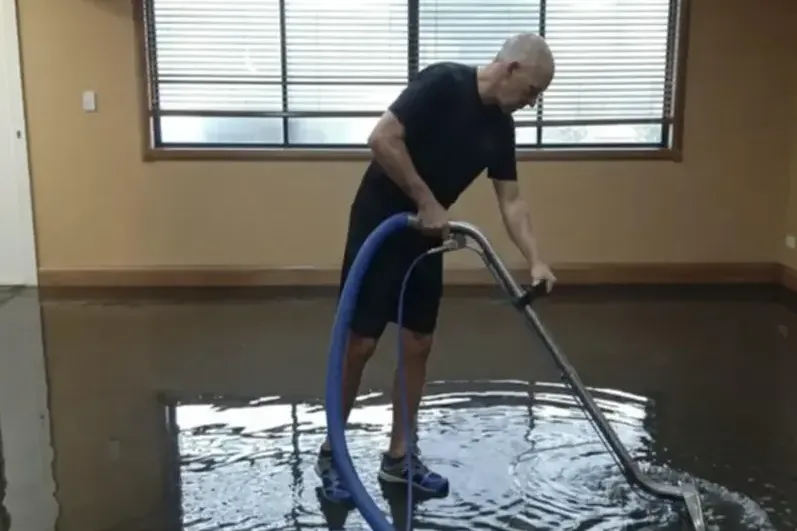 01Emergency Water ExtractionTruck-mounted and portable extraction pulls standing water off carpet, pad and concrete before it wicks higher.Open the scope
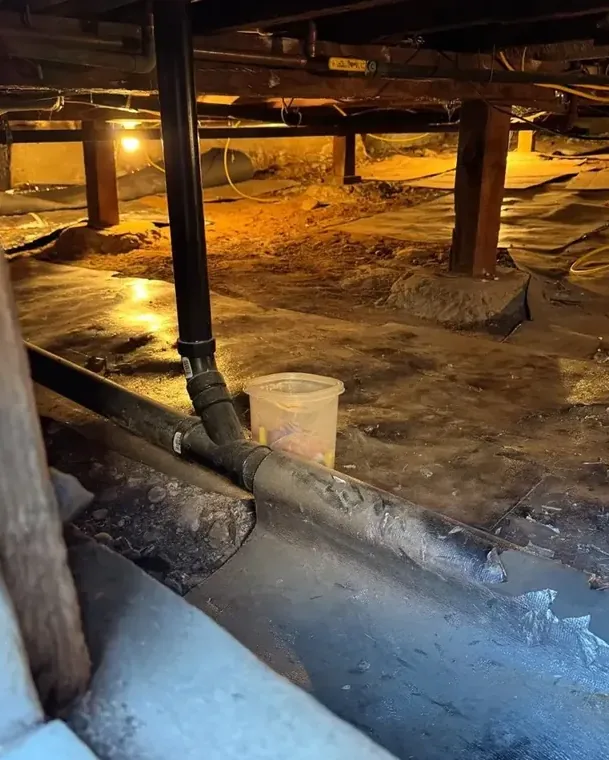 02Basement Flooding CleanupSeepage through foundation cracks, window wells and floor drains extracted, flood cuts made and the lower level dried.Open the scope
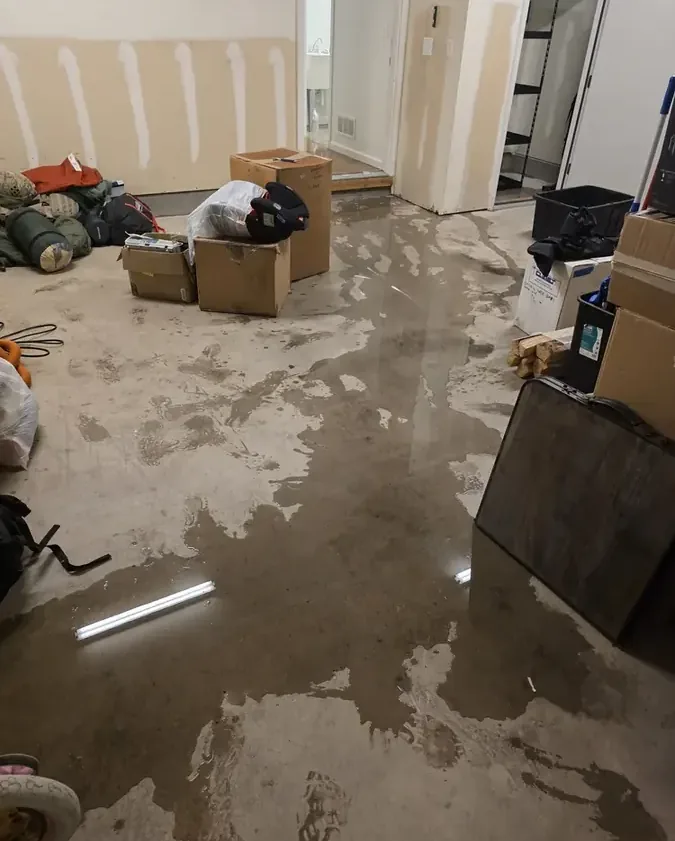 03Sump Pump Failure CleanupStalled pumps, stuck floats, tripped breakers and frozen discharge lines: the pit overflow pumped out and dried.Open the scope
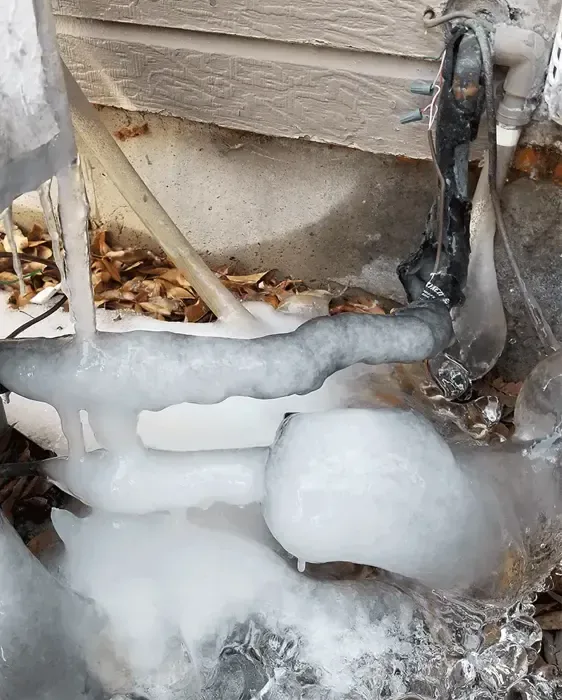 04Frozen Pipe Water DamageLines in exterior walls, rim joists and garages that split in deep cold and leak on the thaw.Open the scope
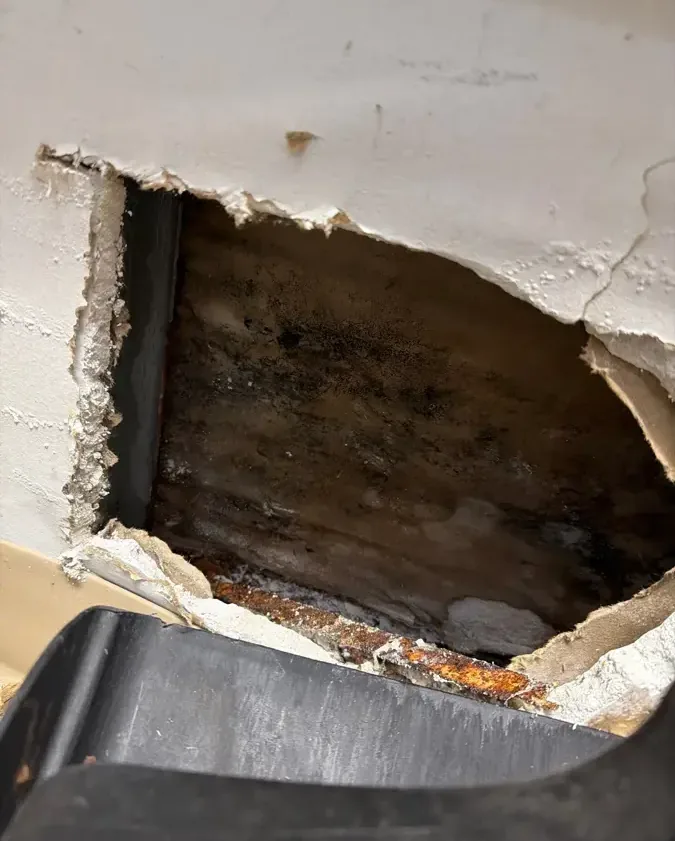 05Burst Pipe Water DamageFailed fittings and supply lines inside walls and ceilings, extracted fast and the cavities dried open.Open the scope
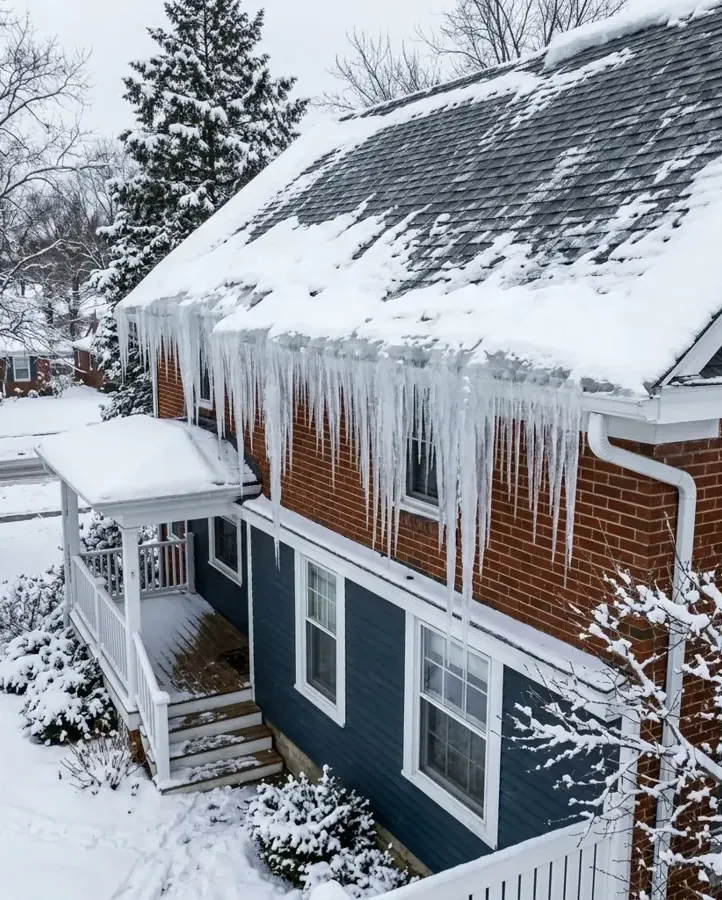 06Ice Dam and Roof Leak DamageMeltwater backed under shingles at the eaves, soaked attic insulation pulled and top-floor ceilings dried.Open the scope
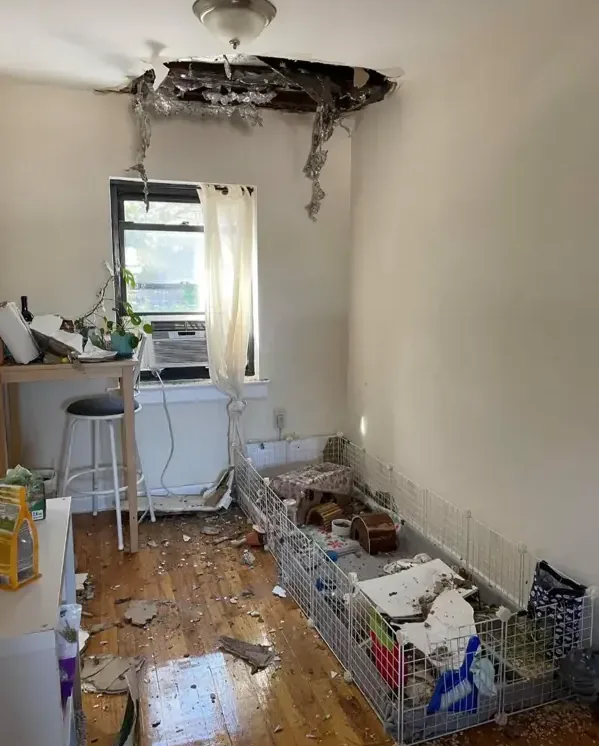 07Ceiling Leak Water DamageToilet, tub and supply leaks from the floor above traced, sagging drywall opened safely, joists dried.Open the scope
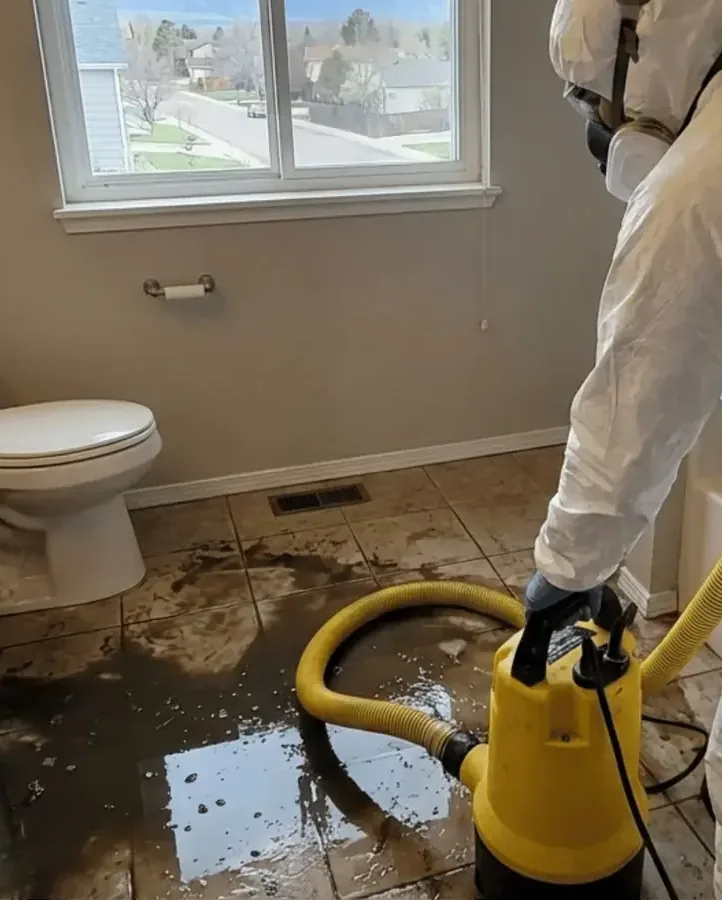 08Sewage Backup CleanupFloor drain and toilet backups treated as Category 3 with containment, removal and antimicrobial.Open the scope
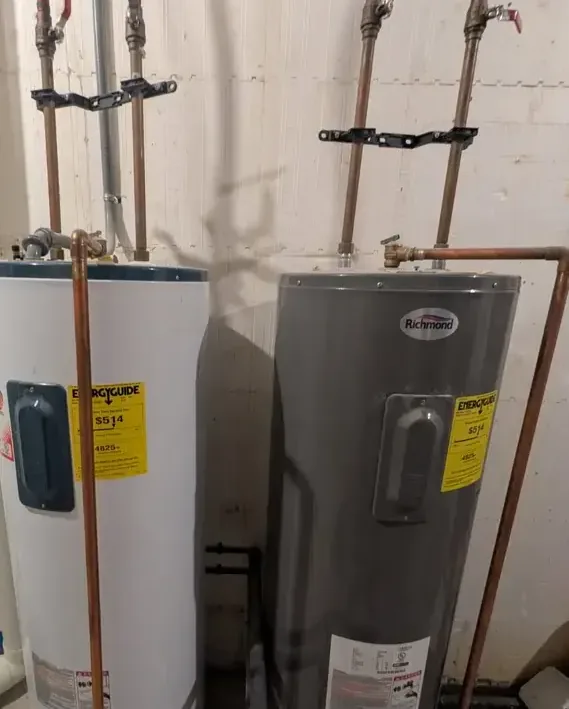 09Water Heater Leak CleanupBasement tank failures extracted before carpet, framing and stored boxes soak through.Open the scope
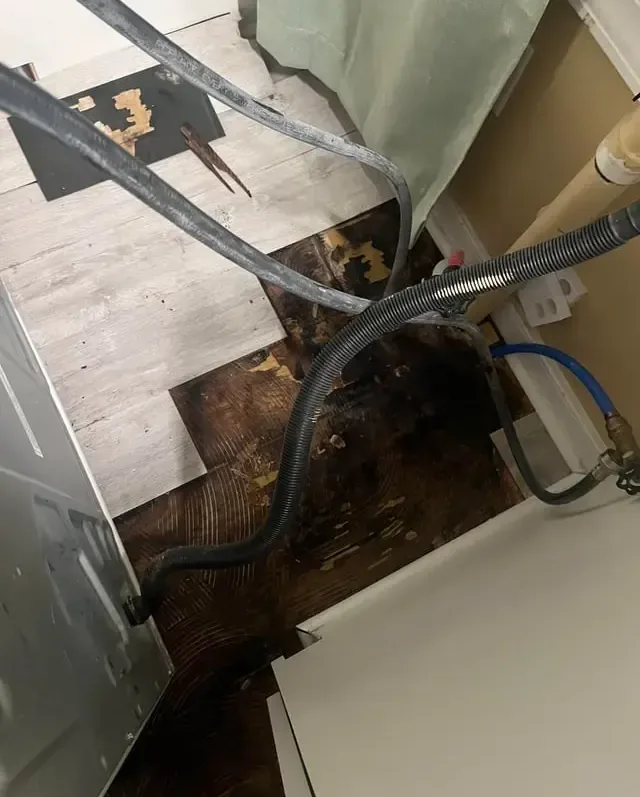 10Appliance Leak Water DamageWasher hoses, dishwashers, ice maker lines and softener leaks pulled from floors and cabinets.Open the scope
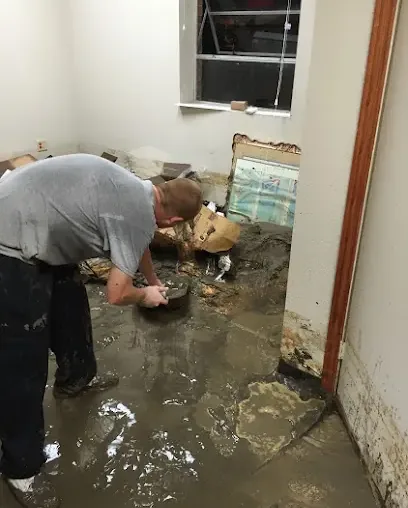 11Storm and Snowmelt Flood CleanupSpring thaw and summer storm water in the lower level handled as contaminated and dried out.Open the scope
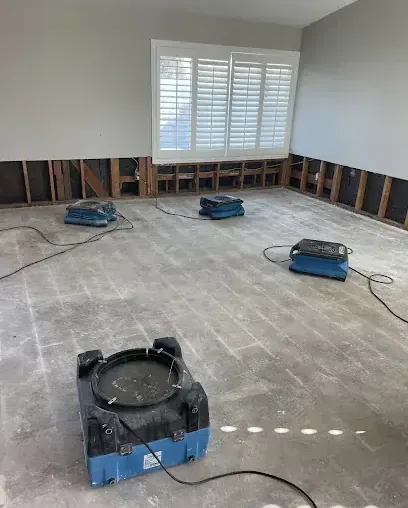
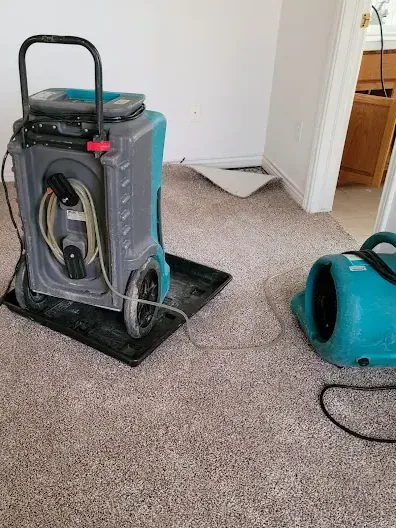 12Structural DryingFraming, subfloor, drywall and concrete dried to within 2 to 4 points of a dry reference.Open the scope
 13Commercial Water DamageShops, offices and multifamily buildings dried in phases so work can keep moving.Open the scope
From the first reading to a verified dry basement
The tech on the walkthrough maps moisture before any equipment goes down, so the drying plan matches what is actually wet.
Stop and map
The source is shut off, then meters and thermal imaging trace how far the water traveled under carpet, behind baseboards and into wall cavities.
Extract
Truck-mounted extraction pulls standing water from carpet, pad and concrete while it is still on the surface, the cheapest water to remove.
Dry by the numbers
Air movers and LGR dehumidifiers are placed to match the class of loss, and readings are logged every day the equipment runs.
Verify and document
Equipment leaves only when materials read within 2 to 4 points of a dry reference, and the logs and photos go into the claim file.
Built around the way water moves through a basement
Water runs to the lowest point and stays there, so a finished lower level needs measured drying rather than a wet vac and a box fan.
Urgent at any hour
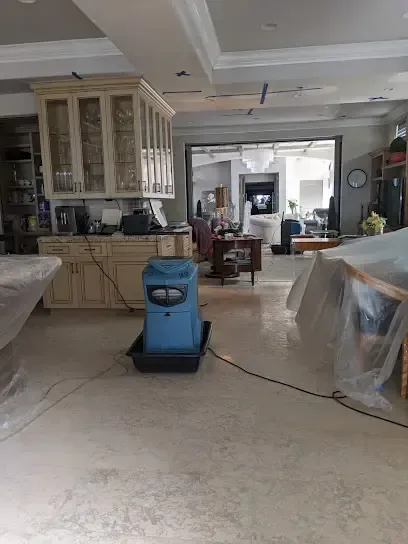
Active water is treated as urgent around the clock, including January nights when a frozen line lets go after midnight.
Measured, not guessed
Pin and pinless meters, thermal imaging and daily psychrometric readings show where the water is and when it is gone.
Ready for the claim
Timestamped photos before demolition, a moisture map and daily logs give the adjuster a clear picture of the loss.
Cold-climate equipment
LGR dehumidifiers that keep working in cool basement air, plus the tools to open finished walls cleanly and dry the framing behind them.
Every room dried to the IICRC S500 standard
IICRC S500 is the industry standard for water damage restoration. It sets the category and class of every loss and holds drying to readings, not to how the carpet feels.
What a real basement dry-out runs on
Truck-mounted extraction
Strong suction pulls water out of carpet, pad and concrete before it climbs into drywall and framing.
LGR dehumidifiers
Low grain refrigerant units keep pulling moisture out of cool basement air where standard dehumidifiers stall.
Air movers
Placed by the evaporation load of each room to lift water out of floors, walls and wall cavities.
Thermal imaging and meters
Find water hidden behind finished walls and under flooring, then confirm the dry reading at the end.
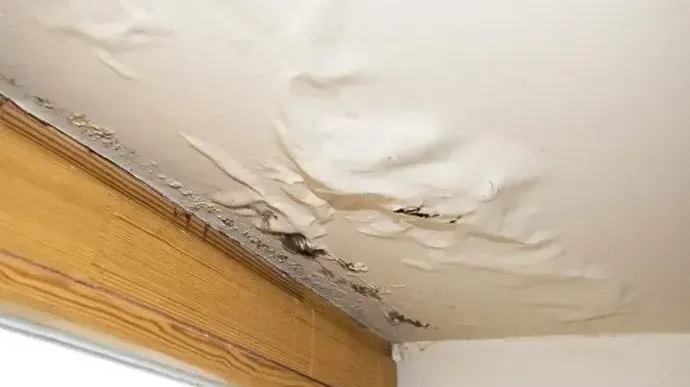
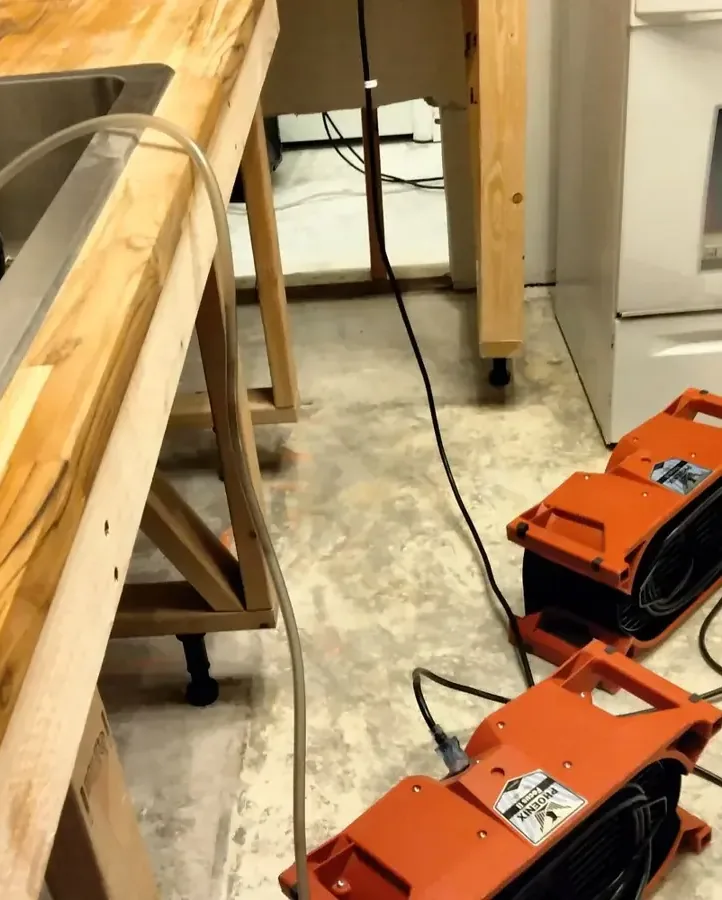
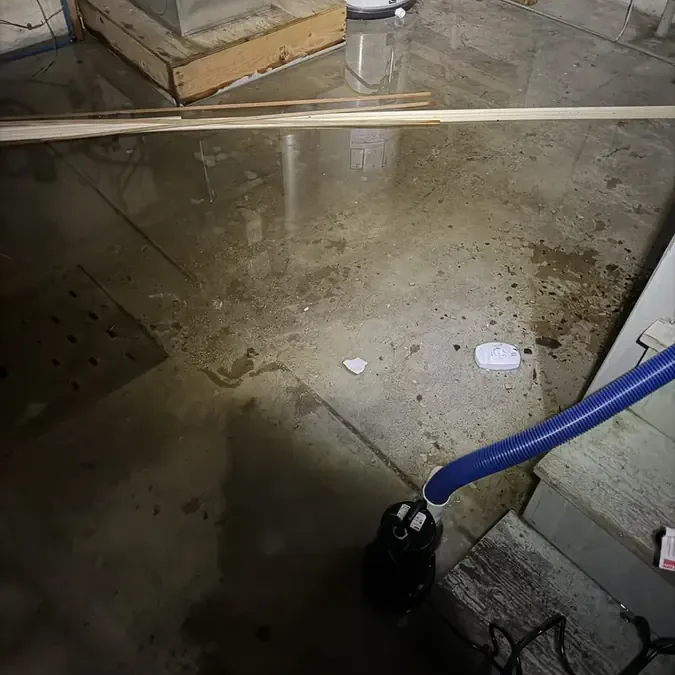
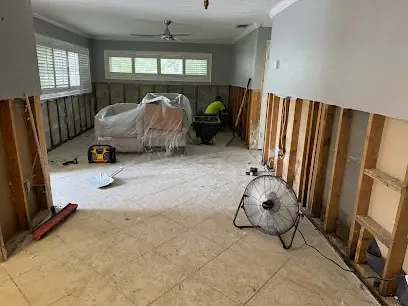
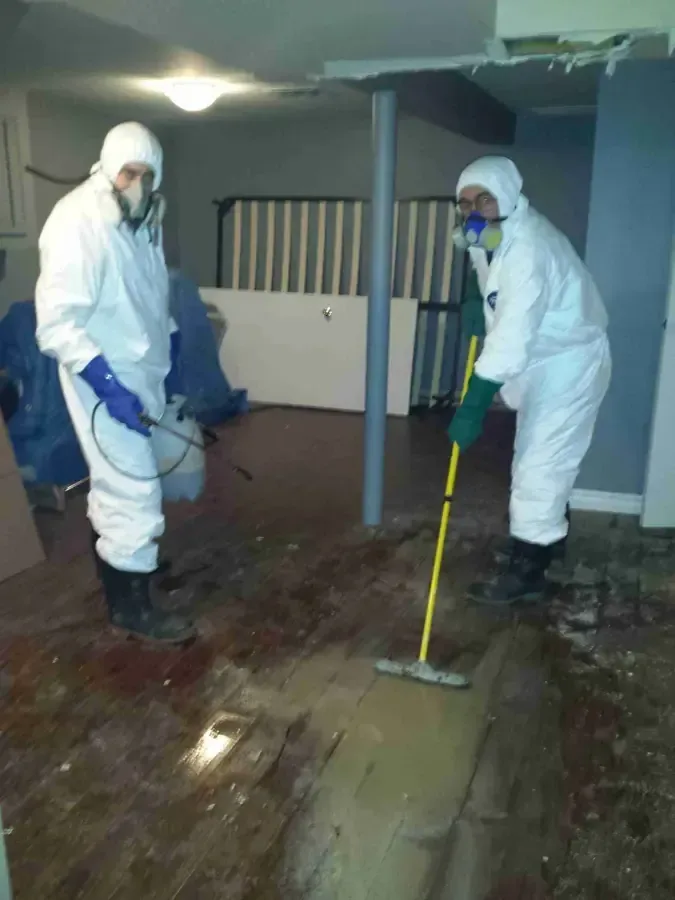
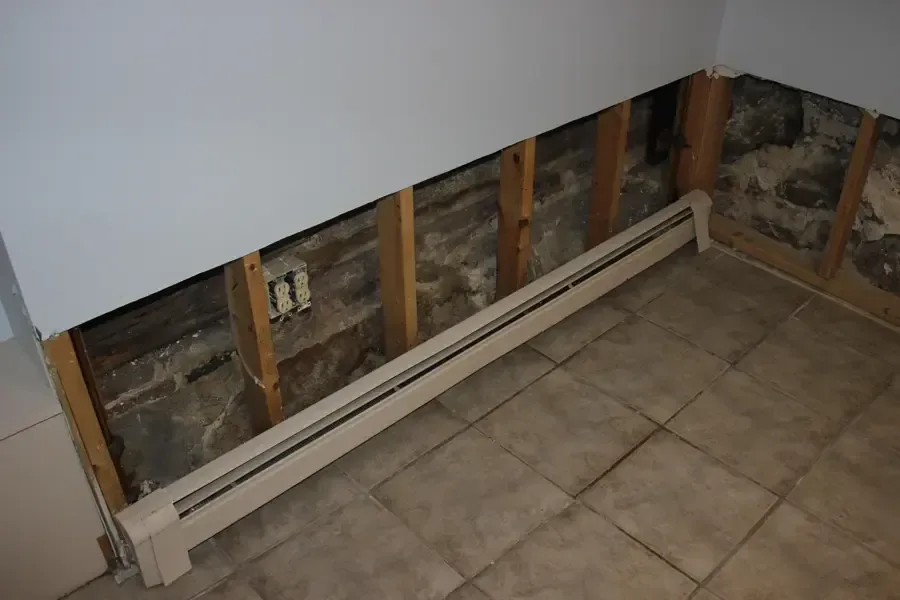
What a water damage dry-out looks like, room by room
What does water damage restoration cost in Farmington, MN?
Water damage restoration here typically runs $1,000 to $12,000, and Category 3 or two-level losses can reach $30,000. The water category, the square footage, the material class and how fast drying started move the number most.
Small clean-water loss
- Part of one room or a small lower-level area
- Category 1 water caught early
- Extraction and a few days of drying
Finished basement
- Carpet, pad and drywall bottoms soaked
- Flood cuts and baseboard removal
- LGR drying with daily moisture logs
Sewage or two levels
- Category 3 water or two wet levels
- Containment and porous material removal
- Antimicrobial treatment and drying
Ranges are typical, not a quote. The water damage cost calculator gives a closer range, and the real scope comes from the walkthrough and the moisture map.
What the claim file holds
Adjusters decide coverage from evidence, so the documentation starts before the first wet carpet or drywall cut comes out of the house.
- A moisture map showing every wet area and reading
- Daily psychrometric logs of temperature, humidity and grains per pound
- Timestamped photos taken before any demolition
- The category and class of the loss under IICRC S500
- A line-item scope of extraction, removal and drying
Read your own policy
Most homeowners policies treat sudden and accidental water, such as a burst pipe or a failed water heater, differently from flood water that enters from outside.
Sewer and sump backup is often a separate endorsement in Minnesota policies. Coverage depends on your own policy, so check it with your insurer early.
Water damage help across Farmington and Dakota County
Dispatch covers ZIP 55024 from the older streets downtown to the newest subdivisions near Empire Township.
ZIP covered
Every street in 55024 is covered, from the river trail to the subdivisions north of County Road 50.
Neighborhoods and corridors
Nearby towns
Not sure dispatch reaches your street? Ask before you wait
Neighboring towns get the same 24/7 dispatch for extraction, drying and sewage cleanup, and the arrival window is confirmed on the call.
Email for non-urgent questions: [email protected]
Find us on Google See every neighborhood on the coverage map (888) 432-4933Confirm coverage for your streetWhat to do while the water is still moving
- 1
Close the main. The main shutoff usually sits where the water line enters the basement, next to the meter.
- 2
Stay clear of power. Keep off wet floors near outlets, the furnace and the electrical panel until power to that area is off.
- 3
Check the sump pit. If the pump is silent and the pit is full, look for a tripped breaker or an unplugged cord, without standing in water.
- 4
Lift and photograph. Move boxes, rugs and electronics off the floor and photograph the damage before anything is thrown out.
- 5
Call for extraction. Drying that starts within hours keeps clean water from turning into tear-out and a dirtier category.
Why Farmington basements take on water
Saturated spring ground, long below-zero stretches and a housing stock that grew about 75 percent between 2000 and 2010 add up to a short, predictable list of losses.
Snowmelt on saturated ground
Saturated ground can hold meltwater against foundation walls instead of letting it drain away, so seepage shows up along the floor joint and at window wells.
Deep cold on supply lines
Pipes in exterior walls, rim joists and garages freeze during long below-zero stretches, then split and leak on the thaw, often behind finished drywall.
Ice dams at the eaves
Heat escaping into the attic melts roof snow that refreezes at the cold eaves, and the trapped meltwater backs under shingles into insulation and ceilings.
Growth-years basements
Housing units grew about 75 percent between 2000 and 2010, and homes of that era often have finished lower levels with carpet, drywall and framing sitting on concrete.
Hard water and sump pits
Mineral buildup can shorten water heater life, and sump pumps that cycle hard every spring wear out, both leading causes of basement water.
Every spring thaw
Snowmelt saturates the ground around foundations, and water finds its way in through cracks, window wells and overwhelmed floor drains.
Clean, gray and black water, each handled its own way
The category of the water decides what can be dried in place and what has to come out, so it is set on the first walkthrough.
Category 1, clean water
From a split supply line, a frozen pipe or a water heater. Extracted and dried in place before it sits long enough to turn dirty.
Burst pipe water damageCategory 2, gray water
From a washer, a dishwasher or a sump pit overflow. Carpet pad comes out and surfaces get an antimicrobial before drying.
Sump pump failure cleanupCategory 3, black water
Sewage from a floor drain or toilet and outside flood water. Containment, removal of porous materials, then disinfection and drying.
Sewage backup cleanupFarmington water damage questions
Water on the basement floor now?
Skip the reading for now. Close the main if it is safe, keep clear of outlets and call the 24/7 dispatch desk.
(888) 432-4933 (888) 432-4933Ask about the water you are seeingWhat happens after the call for basement water?
Dispatch confirms the address, the water source and whether it is still running, then sends the extraction crew. On site, the crew stops the source, maps the moisture, extracts standing water and sets drying equipment the same visit.
Why do Farmington basements flood in spring?
Snowmelt saturates the ground, and that water can press against foundation walls. It comes in through cracks, at the floor joint, through window wells and through floor drains that cannot keep up.
How long does it take to dry a finished basement?
Most finished basements dry in three to five days once extraction is done, longer when water reached the framing or the concrete. Equipment stays until readings are within 2 to 4 points of a dry reference, not until the carpet feels dry.
What is the IICRC S500 standard?
IICRC S500 is the industry standard for professional water damage restoration. It defines the category of the water, the class of the loss and how drying is measured and verified, so the result can be checked by readings.
When does wet drywall have to come out?
Drywall that wicked clean water can often be dried in place with the cavity opened at the bottom. Drywall touched by gray or sewage water, or wet long enough to swell and crumble, is cut out above the waterline.
Why is a sewage backup handled differently?
Sewage is Category 3 water that carries bacteria. The crew wears protective gear, contains the area, removes porous materials it touched and applies an EPA-registered antimicrobial at the label dwell time before drying starts.
Does homeowners insurance cover basement water?
A sudden and accidental pipe or water heater failure is often covered. Outside flood water and sewer or sump backup are usually treated differently, and backup coverage is often a separate endorsement. Check your own policy with your insurer.
How is the cost of water damage restoration figured?
The scope is built from the water category, the wet square footage, the class of materials affected and how many days the drying equipment runs. Removal of carpet, pad and drywall and any containment are line items of their own.
What should I do about a frozen pipe that has not burst yet?
Keep the heat on, open the faucet it feeds and warm the pipe gently with a hair dryer, never an open flame. Know where the main shutoff is in case the line splits as it thaws.
Can a wet basement wait until Monday?
Waiting costs more. Carpet pad and drywall keep wicking, clean water can sour to a dirtier category, and mold can start growing within 24 to 48 hours on wet materials.
Water in a Farmington basement? Get it out before it wicks higher
Standing water keeps climbing into drywall and framing. The extraction crew can start tonight.
(888) 432-4933Get the extraction crew rolling