Sewage Backup Cleanup in Farmington, MN
Sewage from a basement floor drain or toilet is Category 3 water from the first minute. The mitigation team works in protective gear, contains the area, removes porous materials it touched and treats every surface before drying.
(888) 432-4933Report the floor drain backup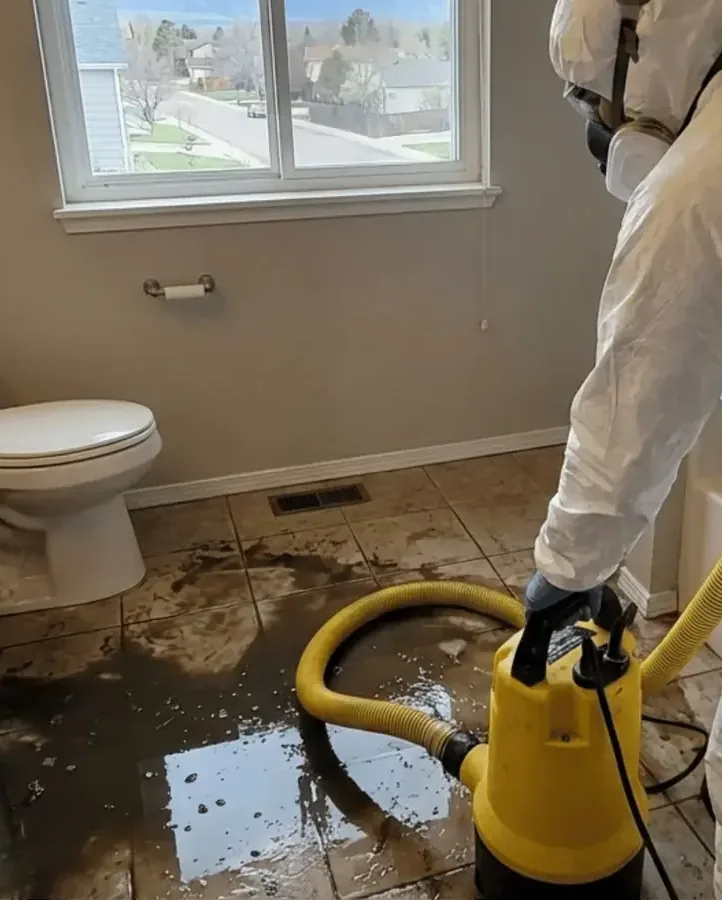
Why the drying standard matters for sewage backup cleanup
Dispatch at any hour
Active water is treated as urgent around the clock, weekends and holidays included, because drywall and carpet pad keep wicking while the water sits.
Dried to IICRC S500
The drying team sizes air movers and LGR dehumidifiers to the class of loss and leaves them running until the readings, not the surface, say dry.
A claim file from day one
Timestamped photos before demolition, a moisture map and daily psychrometric logs give the adjuster a clear record of the loss.
Built for cold-climate homes
Finished basements, frozen supply lines, ice dams and sump pits drive most losses here, so the extraction crew arrives equipped for them.
First moves for sewage backup cleanup
Safe steps for the household while the water is still moving and before the crew is on site.
- 1
Stop using water. No flushing, laundry or showers until the line is clear.
- 2
Keep people and pets out. Close the door to the affected area.
- 3
Do not touch it bare-handed. Sewage carries bacteria and viruses.
- 4
Photograph from a distance. Pictures of the drain and the spread help the claim.
What does sewage backup cleanup cost in Farmington, MN?
Sewage backup cleanup here typically runs $3,000 to $25,000. A small backup on bare concrete costs least; a finished basement with carpet, pad and drywall removal and full containment costs the most.
Bare concrete area
- Small floor drain backup
- Cleaning and antimicrobial
- Drying and readings
Finished basement
- Carpet and pad removed
- Drywall cut above waterline
- Containment and negative air
Large or repeat backup
- Several rooms affected
- Full porous material removal
- Extended drying
Ranges are typical, not a quote: the water category, square footage, material class and how fast drying started move the number most. The water damage cost calculator gives a closer range, and coverage depends on your own policy.
How the crew handles sewage backup cleanup
Contain
Plastic barriers and negative air seal the area.
Remove
Liquid extracted and porous materials cut out.
Disinfect
EPA-registered antimicrobial at label dwell time.
Dry
Structure dried and readings verified.
A sewage backup usually shows first at the lowest drain in the house, the basement floor drain. Everything it touches is contaminated, so the work is removal and disinfection first and drying second.
How the cleanup is done
The crew wears protective suits, gloves, boots and respirators, sets plastic containment and negative air to keep contamination out of the rest of the house, and extracts the liquid. Carpet, pad, drywall, insulation and other porous materials the water touched are cut out at least a foot above the waterline and bagged.
- Containment and negative air
- Porous materials removed above the waterline
- EPA-registered antimicrobial at label dwell time
- Drying only after cleaning
City main or private line
Sewage here flows through Metropolitan Council interceptors to the Empire treatment plant, and city staff maintain the local pipes, manholes and lift stations. The service line from the house to the main is the owner's, and roots, grease and wipes are the usual blockers.
A plumber clears or camera-inspects the line so the backup does not repeat.
Health first
Keep children and pets away and do not run water or flush until the line is cleared. EPA sanitary sewer overflow information and OSHA flood cleanup guidance explain the hazards of contaminated water.
Sewage backup cleanup across Farmington and Dakota County
Crews cover ZIP 55024 end to end: Downtown and Uptown along the Vermillion River trail, the newer subdivisions north of County Road 50, the North-East neighborhoods toward Empire Township and the streets around the fairgrounds off Chippendale Avenue.
Nearby coverage reaches Lakeville, Rosemount, Apple Valley, Burnsville, Hastings, Northfield, Cottage Grove, Shakopee.
Every neighborhood and town on the coverage mapMore water damage services
Sewage Backup Cleanup questions
Still dealing with it?
Sewage on the basement floor? Stop using water in the house and keep everyone out of the area.
(888) 432-4933 (888) 432-4933Get Category 3 cleanup startedWhy is sewage cleanup different from other water damage?
Sewage is Category 3 water carrying bacteria and viruses. Porous materials it touched are removed rather than dried, and every surface is cleaned and treated before drying starts.
Can carpet be saved after a sewage backup?
No. Carpet and pad touched by sewage are removed and disposed of. Hard surfaces such as concrete and tile are cleaned and disinfected.
Why did sewage come up the basement floor drain?
The floor drain is usually the lowest opening in the house, so a blockage in the service line or a surcharged main pushes sewage out there first.
Who clears the sewer line?
A plumber clears or inspects the service line from the house to the main. The restoration team handles the cleanup, disinfection and drying.
Does insurance cover a sewage backup?
Sewer and drain backup coverage is often a separate endorsement in Minnesota policies. Check your own policy with your insurer.
Is it safe to stay in the house?
Usually, if the backup is contained to the basement and the area is closed off. Keep children, pets and anyone with health concerns away from the affected area.
Floor drain backed up? Get it cleaned and disinfected properly
The mitigation team contains the area, removes what sewage touched and disinfects before drying.
(888) 432-4933Book the sewage cleanup crew