Water Damage Restoration Cottage Grove, MN
When a pipe bursts, a sump pump quits or the Mississippi River climbs toward a back yard, crews here begin with the standing water itself, then set drying equipment and keep taking moisture readings until the structure tests dry.
(888) 432-4933Call now about the water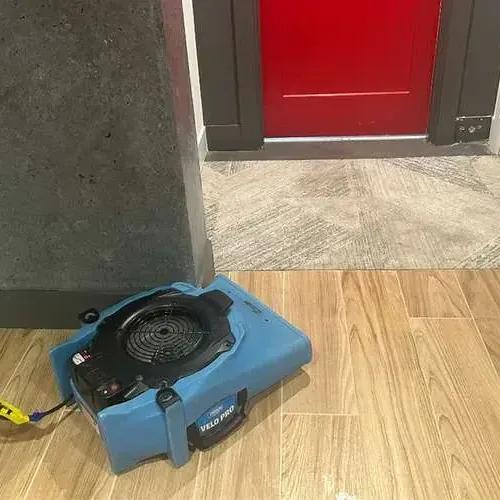 Dispatch open 24/7
Costs and drying time depend on what the water touched, so each job begins with an assessment of the damage.
(888) 432-4933Thirteen kinds of water damage, one plan for each
Every service has its own page with plain explanations, printed price ranges and local notes, so a homeowner or property manager can find the situation that matches.
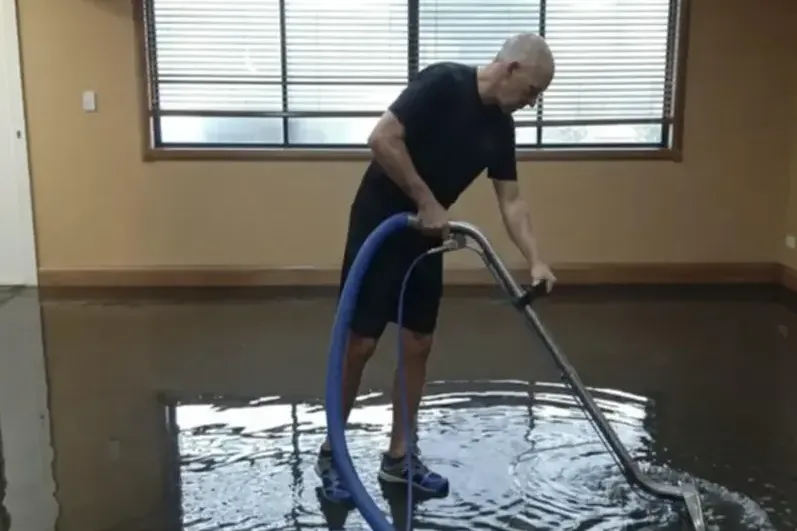 01Emergency Water ExtractionPumps and wands pull standing water off floors and out of low spots before it soaks into framing.Open the scope
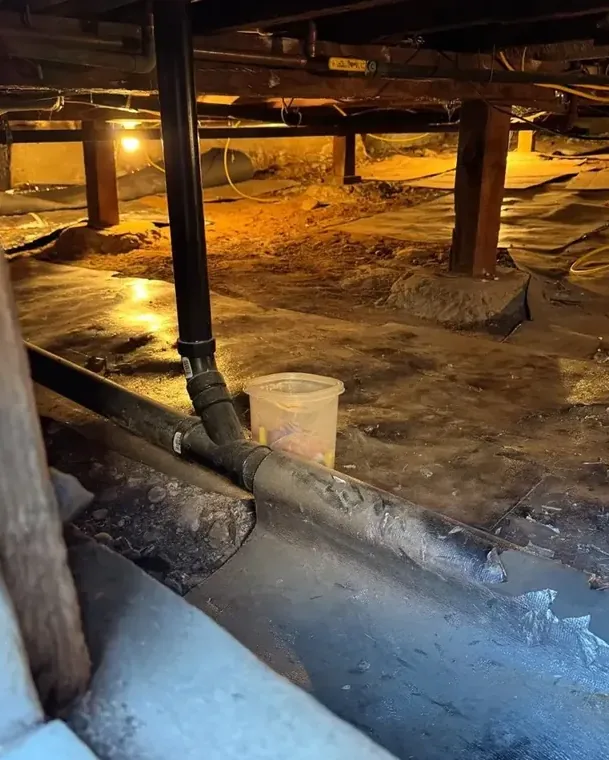 02Basement Flooding CleanupLower-level water means pumping, removing wet finishes and drying, especially when the river runs high.Open the scope
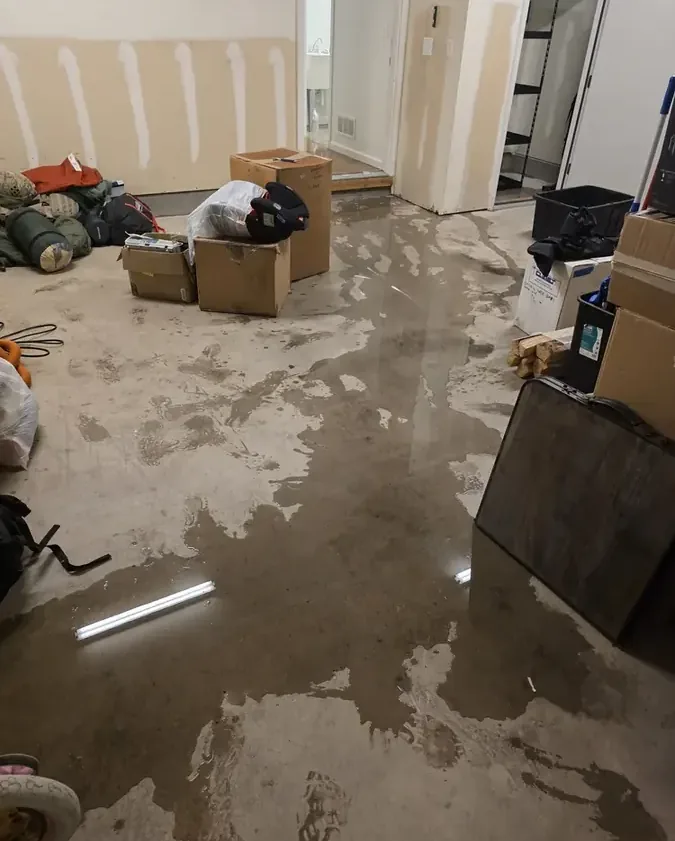 03Sump Pump Failure CleanupWhen a pump quits or cannot keep up, crews handle the overflow, the wet floor and the drying.Open the scope
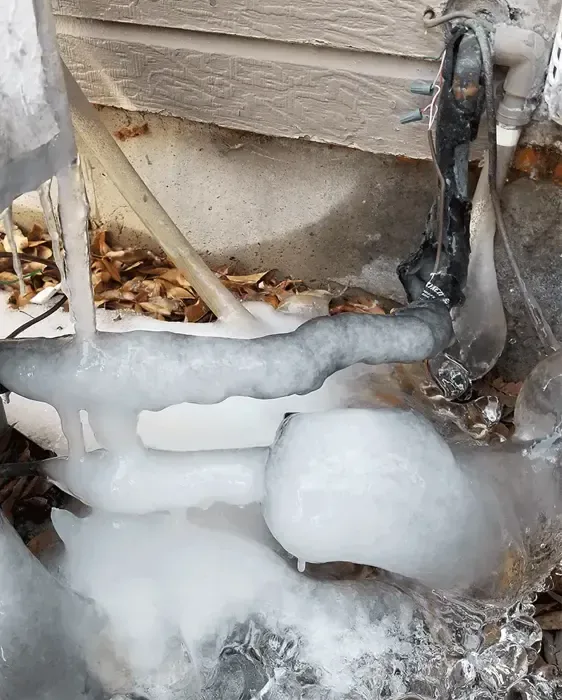 04Frozen Pipe Water DamageFreezing Minnesota winters crack pipes, and the flood often starts once the ice thaws inside the wall.Open the scope
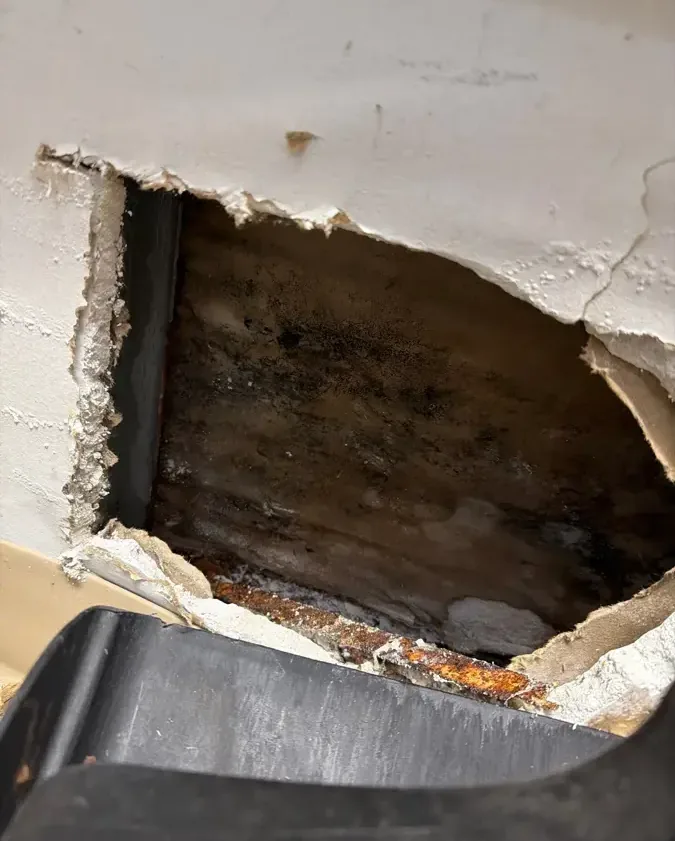 05Burst Pipe Water DamageA split pipe releases water fast, so shutoff, extraction and opening wet walls come in that order.Open the scope
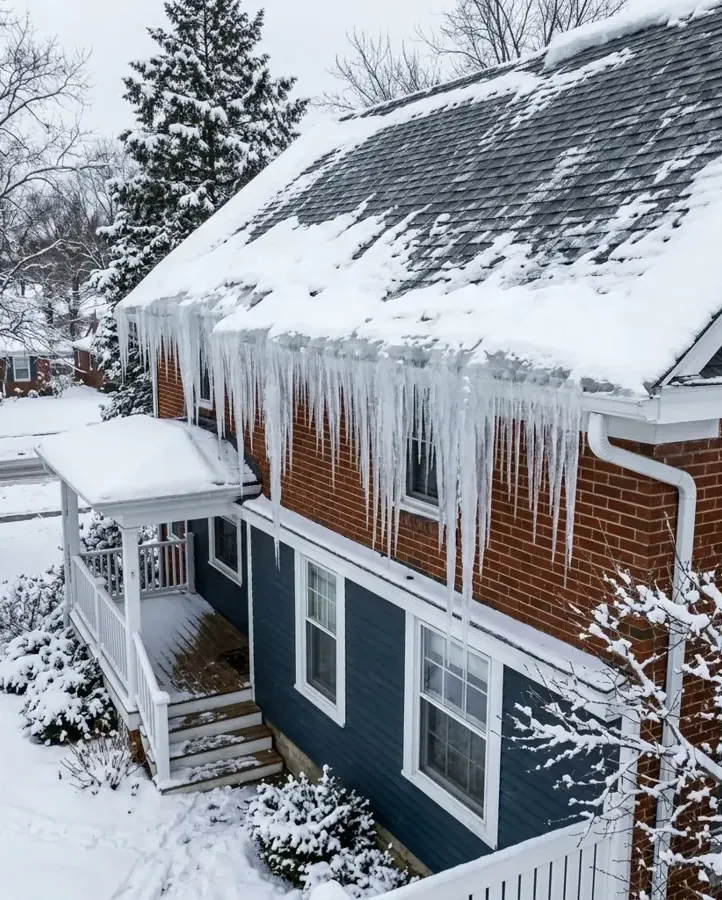 06Ice Dam and Roof Leak DamageIce along the eaves forces meltwater under shingles and into ceilings, where drying has to follow.Open the scope
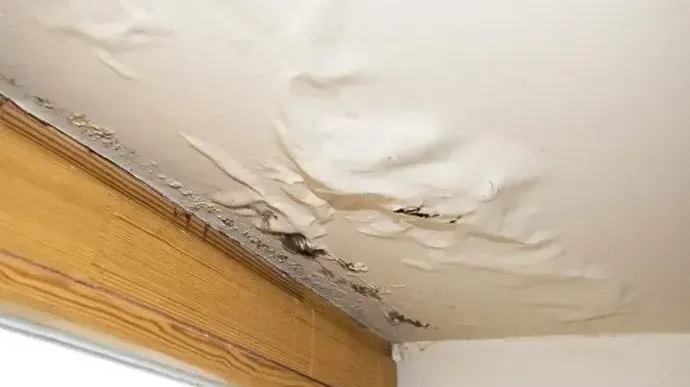
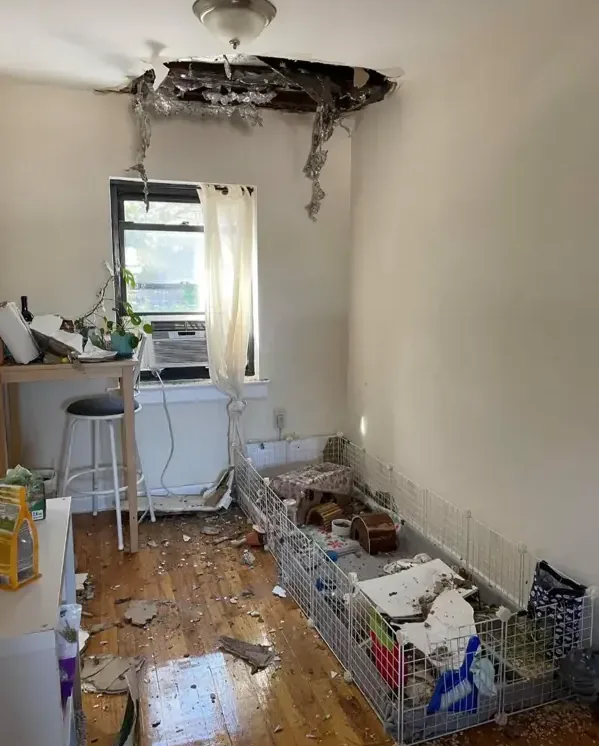 07Ceiling Leak Water DamageStained or sagging ceilings point to a leak above, and wet insulation and drywall need attention.Open the scope
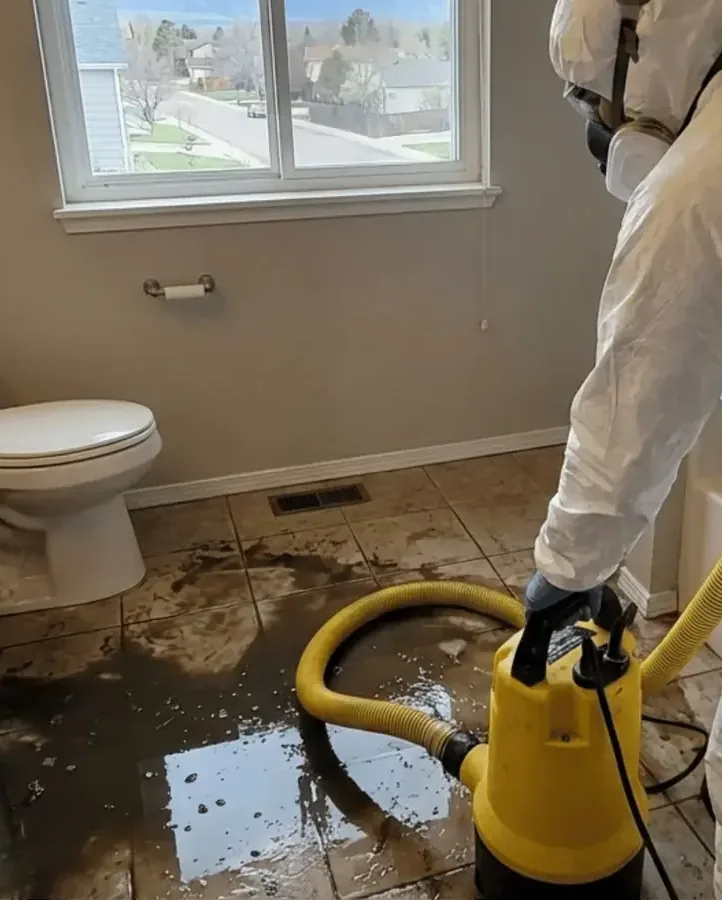 08Sewage Backup CleanupContaminated water from a backed-up drain calls for protective gear, removal, disinfection and careful drying.Open the scope
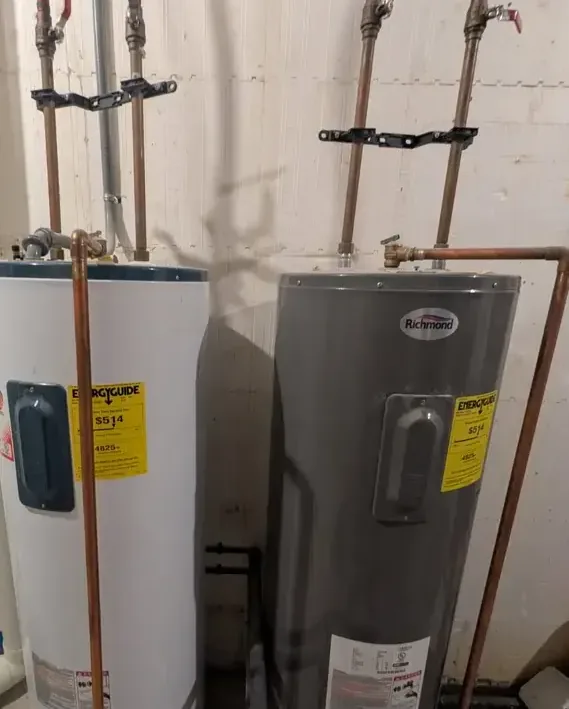 09Water Heater Leak CleanupA failed tank can empty under nearby walls, so cleanup covers the spill and the wet materials beside it.Open the scope
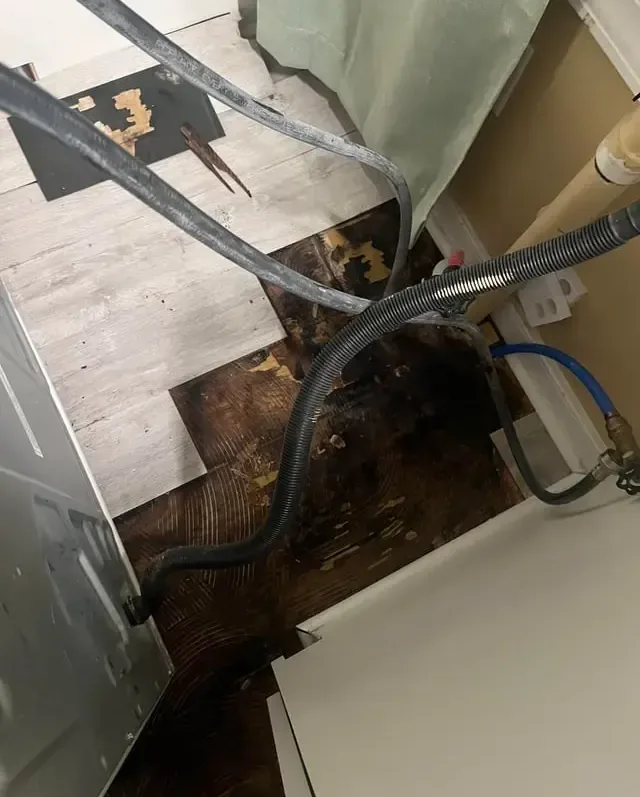 10Appliance Leak Water DamageWasher hoses, dishwashers and ice maker supply hoses leak quietly, often behind or beneath the appliance.Open the scope
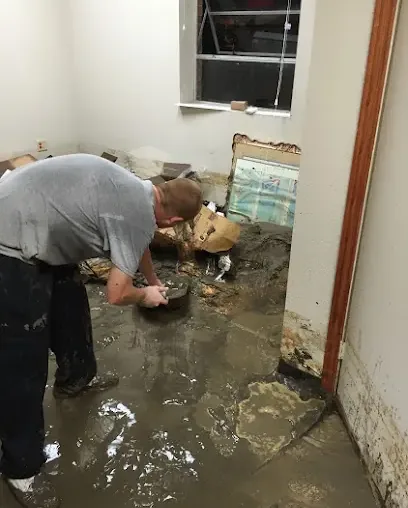 11Storm and Snowmelt Flood CleanupRain, snowmelt and river rise push water into lower levels, and response starts with removal.Open the scope
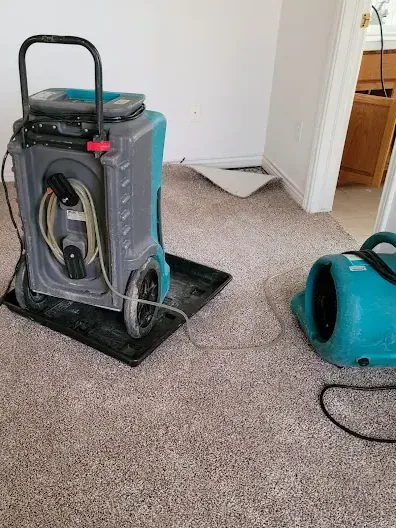 12Structural DryingAir movers, dehumidifiers and meter readings dry framing, subfloor and drywall until moisture returns to normal.Open the scope
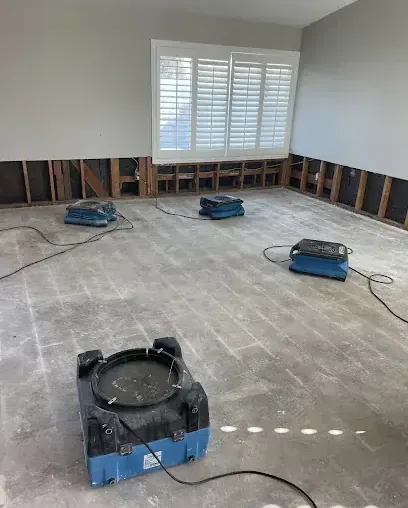 13Commercial Water DamageShops, offices and larger buildings get unit by unit drying plans that limit downtime and spread.Open the scope
From the first call to a dry, ready structure
Each job follows the same four stages, though how long each one runs depends on how far the water traveled and what it soaked.
The call and the source
Callers describe the leak, the rooms involved and whether the source is stopped. That shapes the equipment, the crew and the order of work.
Removing the water
Pumps, wands and extractors take out the standing water first, because the longer it sits, the deeper the damage travels into materials that were still dry.
Drying with equipment
Air movers and dehumidifiers go in, and technicians check wall and floor moisture on a schedule, moving or adding equipment when the readings stall.
Cleanup and what comes next
Once readings reach the dry standard, crews clean surfaces, remove what could not be saved and hand over documentation for the insurance file and any rebuild.
Water damage work built on measurement, not guesses
Wet drywall can look fine on the surface while framing stays damp behind it, so the work here leans on meters and thermal readings instead of appearance.
Open around the clock
Water does not wait for business hours, so calls can come in on nights, weekends and holidays for any kind of water loss.
Water and sewage only
The work covers clean water, gray water and sewage jobs and nothing outside that scope, so equipment and process stay focused.
Readings you can follow
Moisture readings are logged from the first visit to the last, giving a homeowner and an adjuster the same record of progress.
Plain price ranges
Printed ranges on each service page show typical costs by job size, which means fewer surprises before the work is scoped.
Dry means measured, not just feeling dry
Crews work to the IICRC S500 standard for water damage, which sets how water is classified, how equipment is placed and how drying is confirmed with a meter.
Equipment that moves water out of the structure
Extraction units
Truck-mounted and portable extractors lift standing water from carpet, tile and hard floors.
Air movers
Low-profile fans push dry air across wet floors and wall bases to speed evaporation.
LGR dehumidifiers
Low grain refrigerant units pull moisture from the air so the water has somewhere to go.
Moisture meters and cameras
Pin meters and thermal cameras locate hidden wet spots and confirm when materials reach their dry goal.
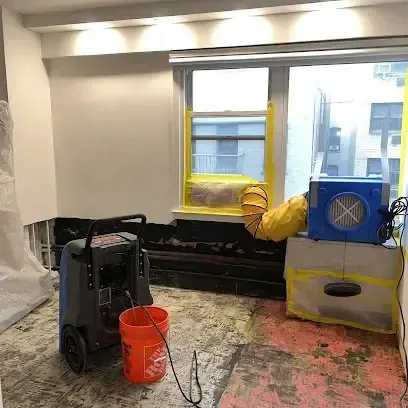
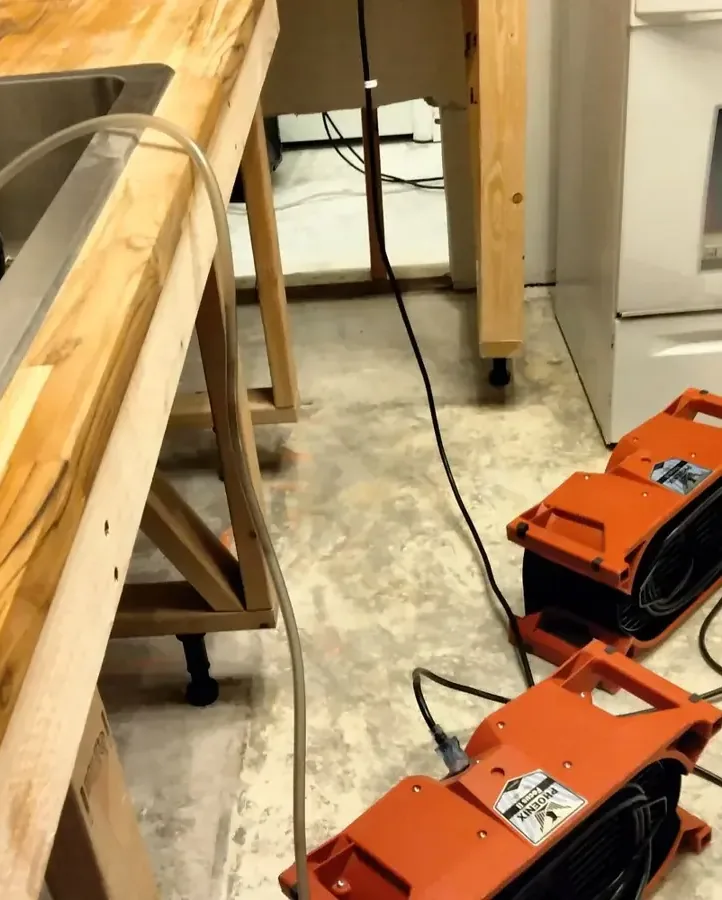
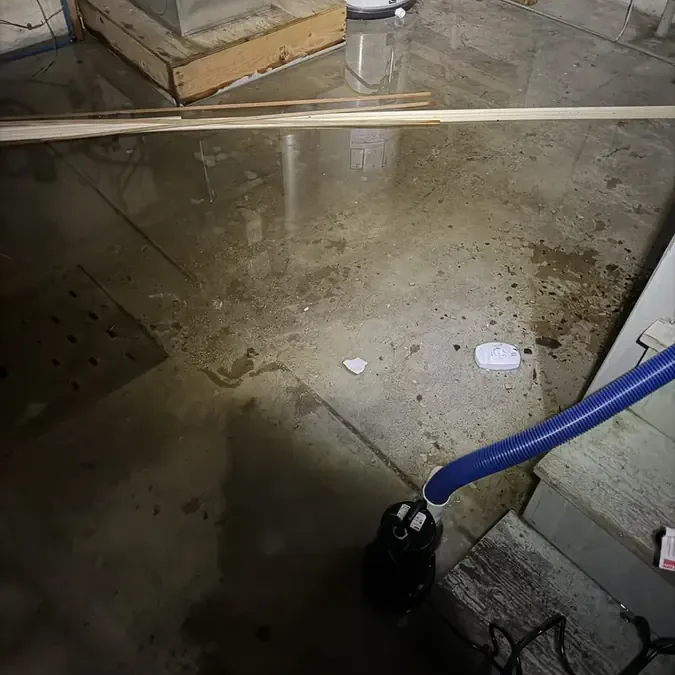
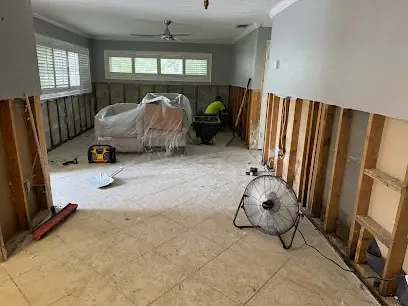
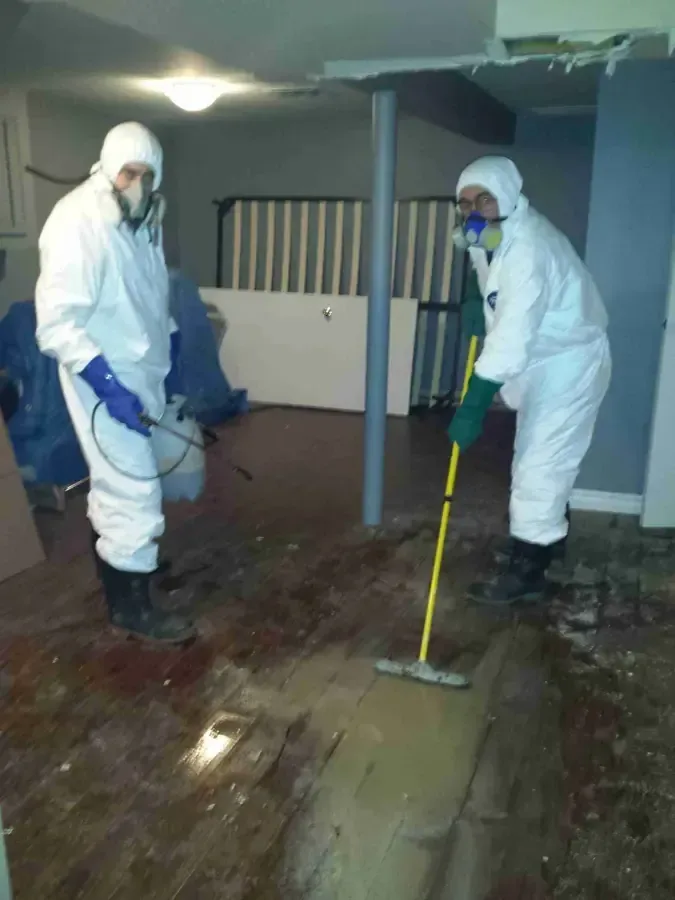
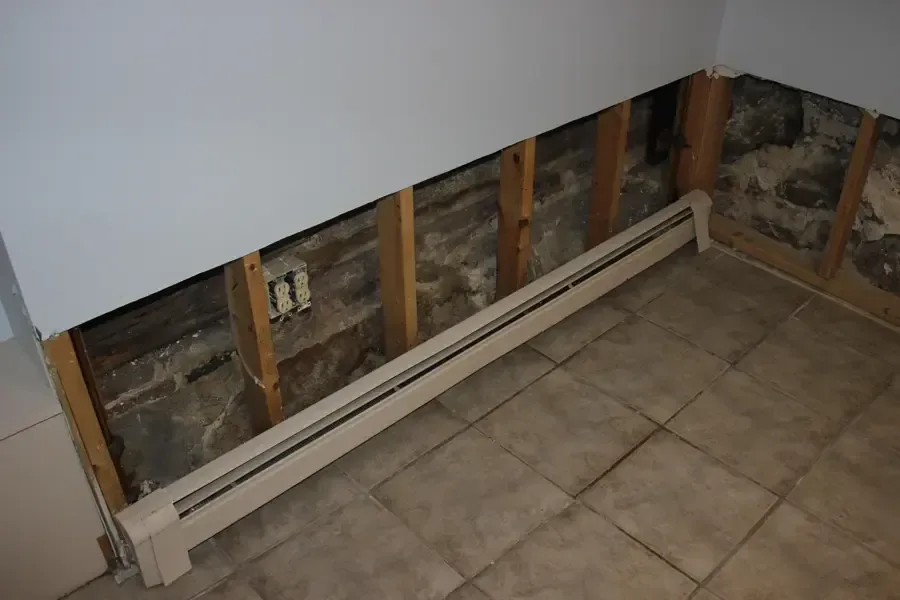
Examples of water damage work and drying in progress
What does water damage restoration cost in Cottage Grove, MN?
Most water damage jobs fall between $1,000 and $30,000. Small clean-water cleanups sit near the low end, while sewage or two soaked levels reach the top, and drying time moves the number too.
Small area, clean water
- Clean water from a supply source
- One room or a limited area
- Short drying run
Finished basement
- Carpet pad and lower drywall removed
- Several rooms of drying equipment
- Longer monitoring period
Sewage or two levels
- Contaminated water needs disinfection
- Two floors or deep material soaking
- Extended drying and cleanup
These are typical ranges, not quotes. The final number depends on the water category, the area affected, the materials involved and how many days of drying the readings call for.
Documenting damage for an insurance claim
A clear record of the damage helps an adjuster understand the loss, so documentation starts on the first visit and continues until drying ends.
- Photos of the damage taken before anything is moved
- The date and time the water was first noticed
- A list of damaged belongings, flooring and materials
- Daily moisture readings and drying equipment logs
- Receipts for any emergency repairs already paid
Steps to take right away
If it is safe, stop the source of the water, shut off power to wet areas and move small valuables and furniture to a dry room.
Take photos, avoid walking through standing water near outlets or appliances, and hold off on throwing out wet materials until the damage is documented.
Water damage help across the city and Washington County
Crews cover the city's ZIP code and the neighborhoods, corridors and landmarks listed below.
ZIP code served
Crews work across the whole city, including River Acres beside the Mississippi River and Grey Cloud Island, as well as homes and buildings near the highways.
Areas and landmarks served
Nearby towns also served
Water in the house or building? Call about it now
Describe the damage when you call, and the crew works out equipment and scope for the address before heading out.
Email for non-urgent questions: [email protected]
See all service areas and towns (888) 432-4933Call about water damage hereWhat to do in the first stretch after water appears
- 1
Stop the water source. Shut the main valve or the appliance valve if you can reach it safely, and turn off the breaker for any wet room before touching anything.
- 2
Protect your safety. Stay out of rooms with standing water near outlets, and leave the house if sewage is involved or the ceiling is sagging.
- 3
Photograph everything. Take wide and close photos of the water, the damaged items and the source before anything is moved or thrown out.
- 4
Remove small items. Lift rugs, electronics and valuables onto dry surfaces, but leave heavy wet materials for the crew.
- 5
Call for extraction. Describe the source, the rooms and the depth of water, because that determines the equipment the crew brings.
What drives water damage in town
Cottage Grove sits on the north bank of the Mississippi River, so river rise is part of the picture, alongside the winter and plumbing causes common across Minnesota.
River rise near River Acres
River Acres backs up to the Mississippi River, and the public works director named it a flooding impact area when the river ran high in April 2023.
Bridge and causeway closures
The Grey Cloud Trail bridge is one of only two ways on and off Grey Cloud Island, and high water closes it about every five to ten years.
Winter freeze
Minnesota winters bring freezing weather, so frozen and burst pipes are a seasonal risk for homes across the Twin Cities area.
Ice dams on roofs
Across the Twin Cities area, ice dams are a seasonal cause of roof leaks and stained ceilings once a thaw sends meltwater under the shingles.
Sewage backups
Wastewater from the city is treated at the Eagles Point facility, and a backup inside a home is a contaminated water job needing protective cleanup.
April 2023
High river water closed the Grey Cloud Trail bridge, and the Mississippi at Hastings reached 18.9 feet.
Three common water damage situations
Three situations show up often in Minnesota water damage work, and each has its own page covering the process, the equipment and typical costs.
Frozen pipes in winter
Freezing weather can crack a pipe long before water shows, and the flood starts at the thaw. Crews shut off supply, pull the water and open the wall.
Frozen pipe damageSump pump failures
A pump that quits during heavy rain or high groundwater leaves the pit overflowing into the lower level, where extraction and drying follow.
Sump pump cleanupSewage in the basement
A backed-up drain sends contaminated water across the floor, which calls for protective gear and disinfection.
Sewage backup cleanupCommon water damage questions
Water on the floor right now?
Describe what happened when you call, and the crew will outline equipment, the likely scope and next steps for the property.
(888) 432-4933 (888) 432-4933Call a crew about the waterHow fast does water damage spread?
Water moves into drywall, insulation, subfloor and carpet pad within hours, and the 24 to 48 hour window is when mold growth can begin, so calling early limits what has to be removed.
Is water damage covered by homeowners insurance?
Coverage depends on the policy and the cause. Sudden events such as a burst pipe are often covered, while gradual leaks and some flood losses are often excluded, so an adjuster should confirm.
What is the difference between clean water, gray water and sewage?
Clean water comes from supply pipes, gray water from appliances and drains with some contamination, and sewage carries pathogens. Contaminated water needs protective gear and disinfection, not just drying.
How long does structural drying take?
Most jobs need several days of equipment running, and the exact time comes from moisture readings rather than a calendar. Dense materials such as hardwood and framing dry more slowly.
Can wet carpet and drywall be saved?
Carpet that got clean water is often dried in place, while pad, wet insulation and sewage-soaked materials are usually removed. Drywall that stays wet or swells gets cut out so the wall can dry.
Should the power be turned off after a leak?
If water has reached outlets, switches or appliances, shut off the breaker for that area from a dry spot and keep clear of standing water until the area is safe.
What happens when the river is high?
When the Mississippi River rises, basements and low areas near it can take on water, and the Grey Cloud Island bridge has closed more than once. Crews begin with pumping and then dry the structure.
Do frozen pipes always burst?
No, but ice can crack a pipe without any visible leak, and the damage appears at the thaw. Minnesota winters make this a seasonal risk across the Twin Cities area, so a thawing pipe deserves a prompt check.
Is sewage water dangerous?
Yes. Sewage can carry bacteria and viruses, so children, pets and anyone with health concerns should stay out while trained crews remove it and disinfect the surfaces it touched.
What does a price range actually cover?
Ranges cover extraction, equipment, labor and monitoring for a typical job of that size. Rebuild work such as new drywall, flooring and paint is usually priced separately.
Standing water and wet walls need action, so call a crew today
Describe the damage, and the crew sets out which equipment and steps the property needs.
(888) 432-4933Call and get a crew moving