Water Damage Restoration Shakopee, MN
When a pipe splits, a sump pit stops working or a drain pushes sewage back up, water spreads through floors and walls quickly. Local crews extract it, dry the structure with measured equipment and keep the records an insurer will want, across Shakopee.
(888) 432-4933Get a crew moving on the water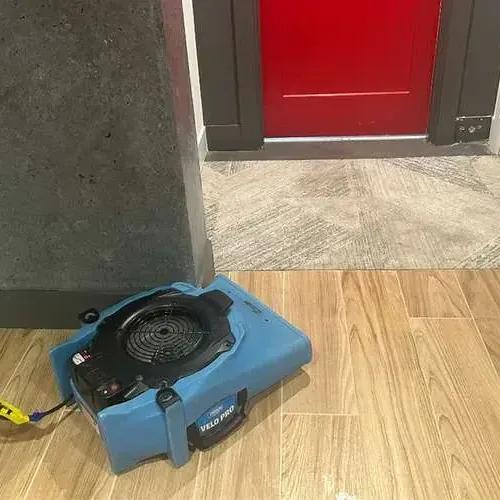 Dispatch open 24/7
Pricing depends on the water category, the materials involved and how much of the structure has to be dried.
(888) 432-4933Water and sewage services for every kind of loss
Thirteen service pages cover the usual ways water enters a building, from a dead sump pump to a leaking ceiling, with methods, cost ranges and common questions.
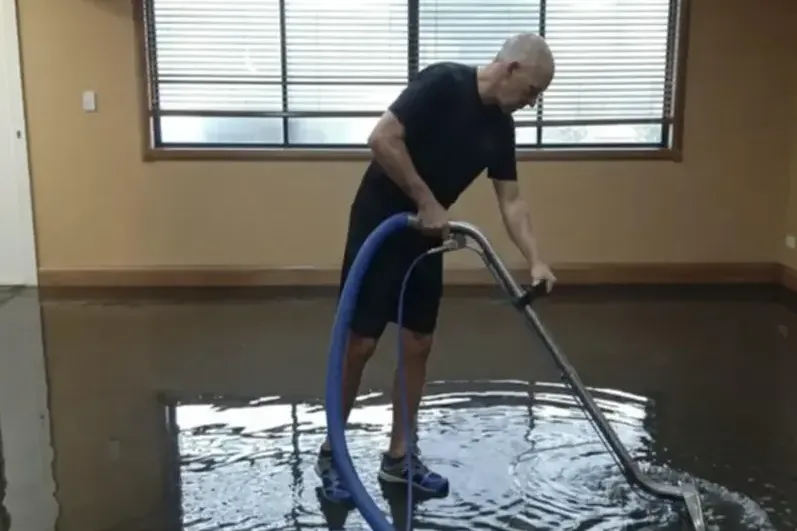 01Emergency Water ExtractionStanding water is pumped and vacuumed off floors and out of carpet before it can wick into walls and subfloor.Open the scope
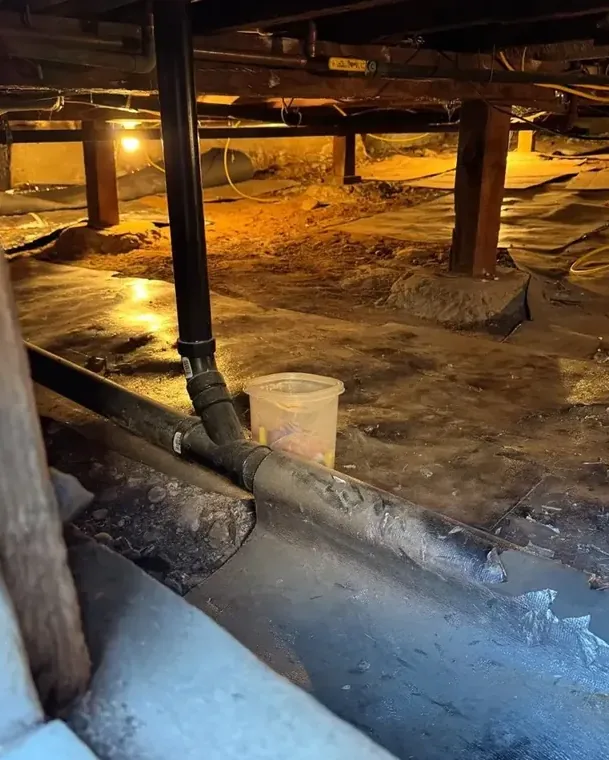 02Basement Flooding CleanupFlooded lower levels are drained, stripped of ruined materials and dried back to a measured standard.Open the scope
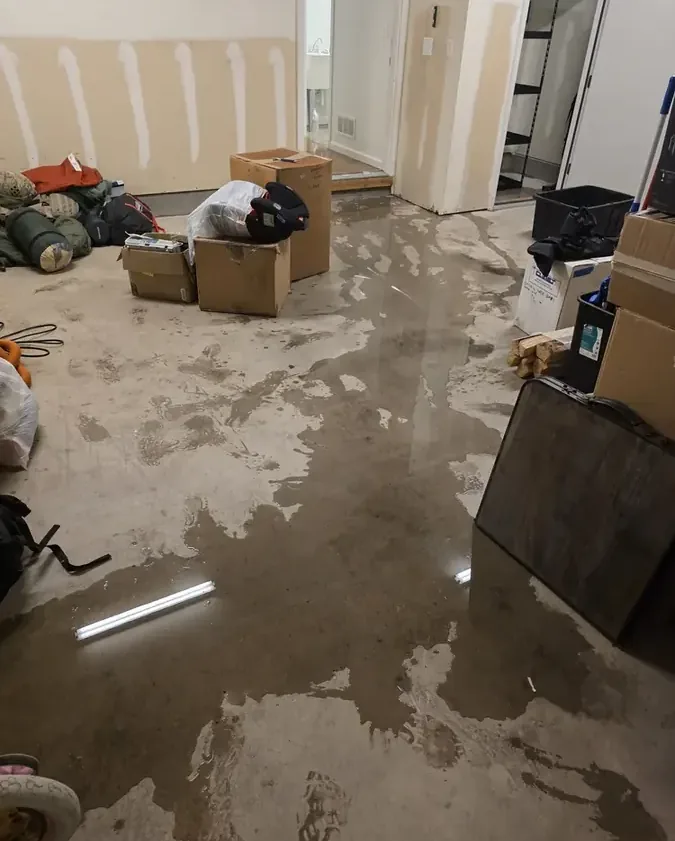 03Sump Pump Failure CleanupA stalled or overwhelmed sump pump lets groundwater pool in the lowest room, and cleanup starts right there.Open the scope
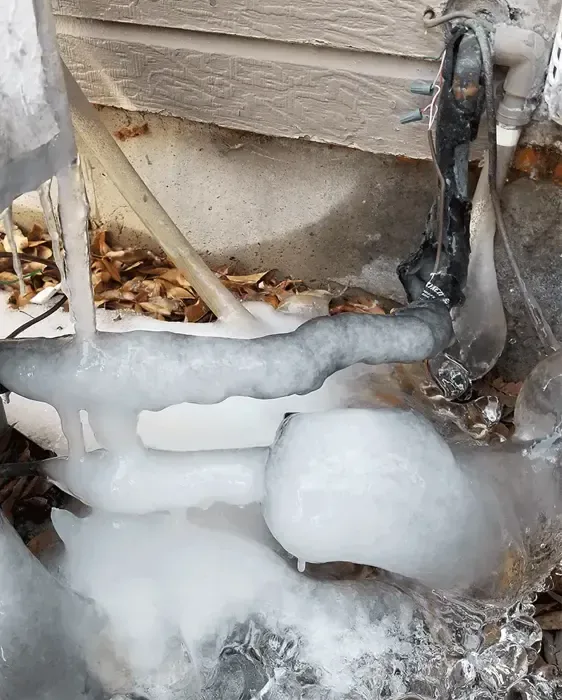 04Frozen Pipe Water DamageIce inside a pipe can crack it, and the soaked wall or ceiling behind the crack needs drying afterward.Open the scope
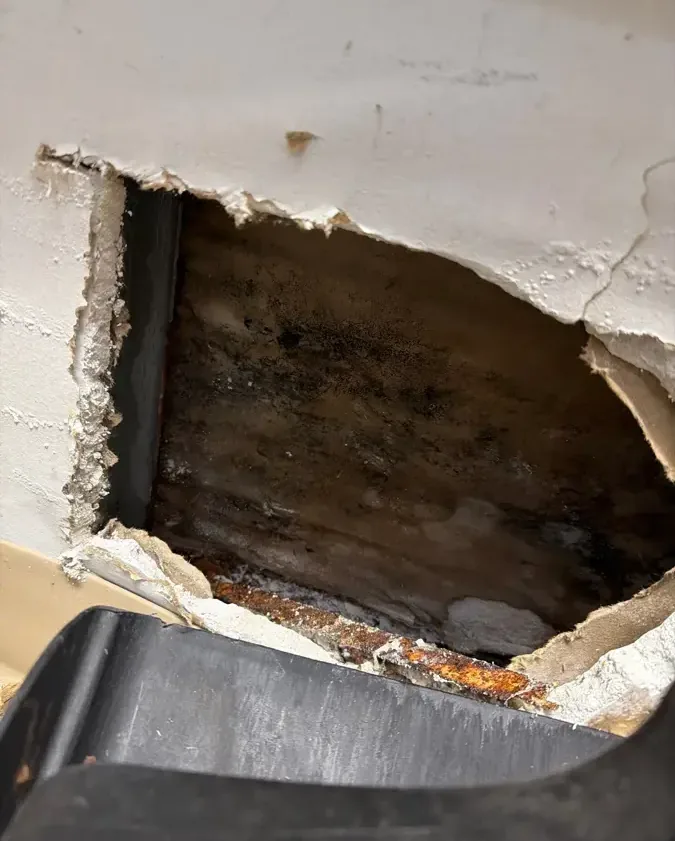 05Burst Pipe Water DamageA split supply pipe can release a great deal of water, so the shutoff comes first and drying follows.Open the scope
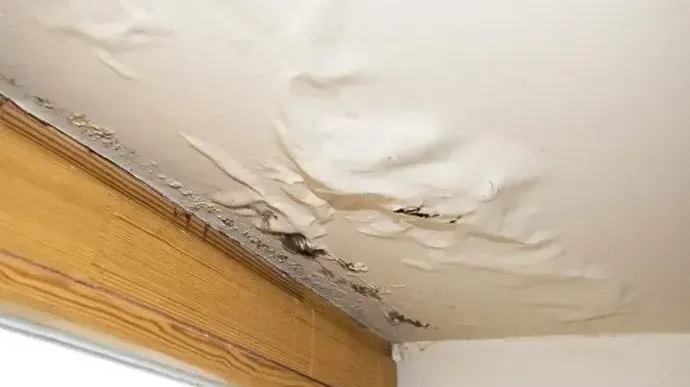
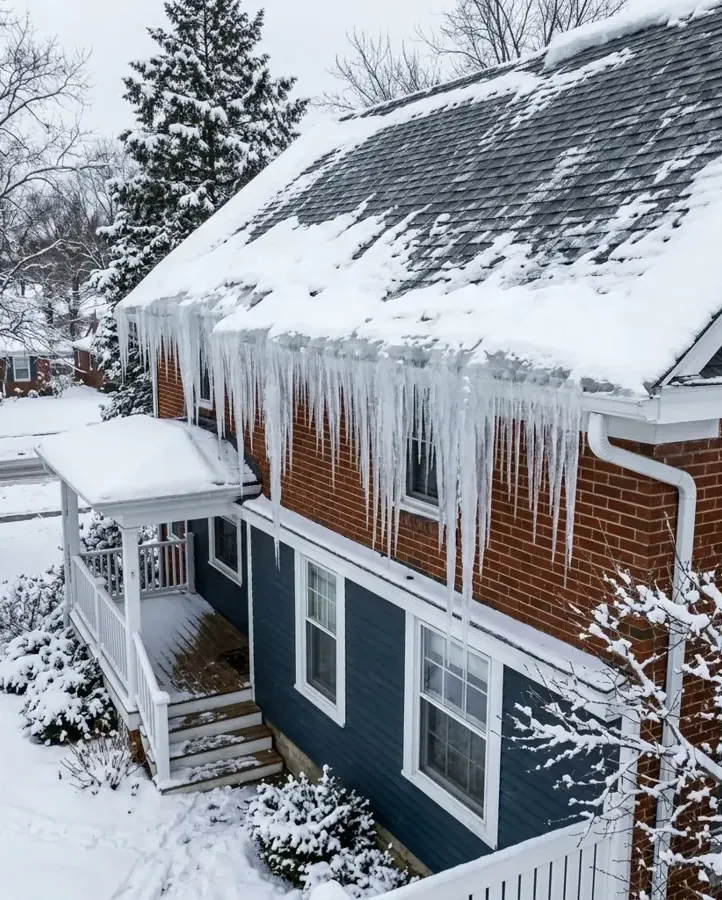 06Ice Dam and Roof Leak DamageWinter ice along the roof edge pushes meltwater under shingles, and the stained ceiling below gets dried.Open the scope
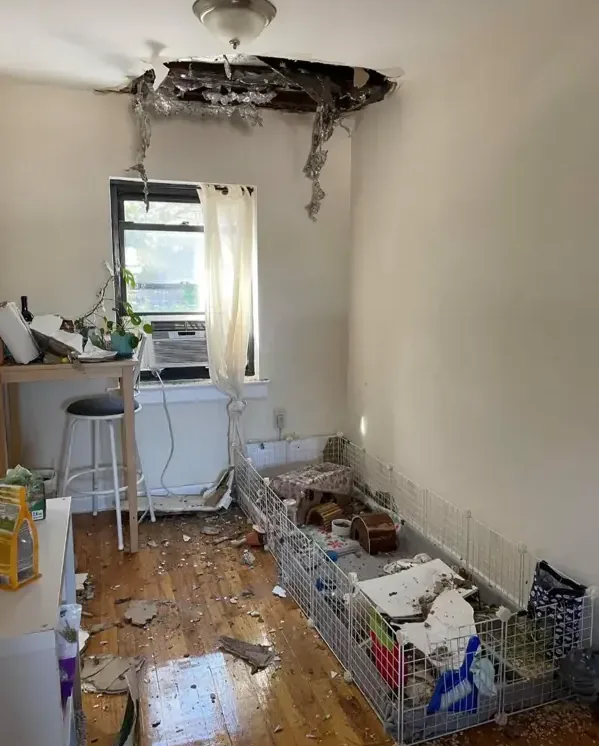 07Ceiling Leak Water DamageWet drywall overhead is opened, dried and checked so the stain does not return after repairs.Open the scope
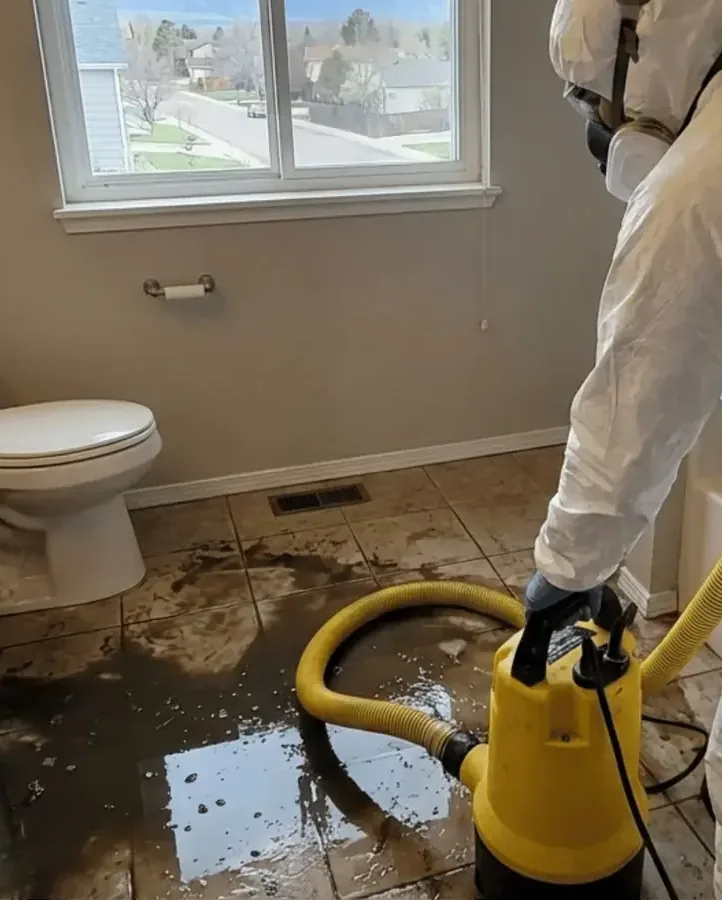 08Sewage Backup CleanupContaminated water from a drain gets protective handling, careful removal and thorough cleaning.Open the scope
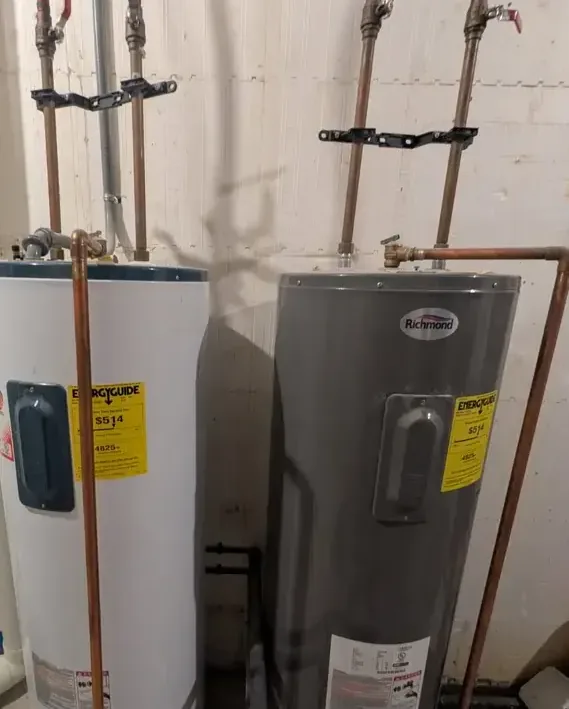 09Water Heater Leak CleanupA leaking tank can flood a utility room fast, and the water is extracted before it reaches finished rooms.Open the scope
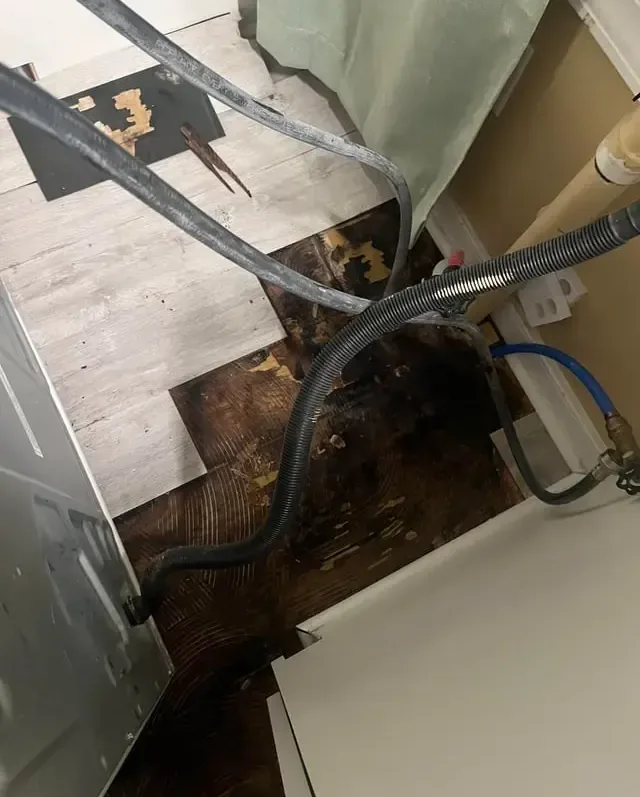 10Appliance Leak Water DamageWasher, dishwasher and refrigerator leaks soak floors and cabinets, often out of sight for days.Open the scope
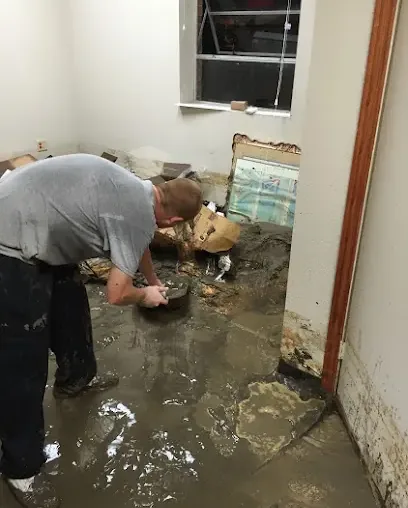 11Storm and Snowmelt Flood CleanupHeavy rain and snowmelt that enter a home are removed with attention to what the water carried in.Open the scope
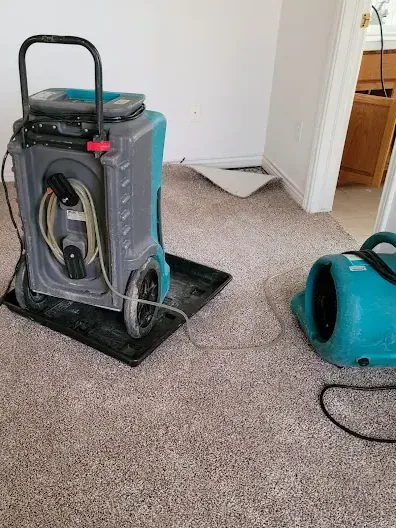 12Structural DryingAir movers and dehumidifiers pull moisture out of framing, subfloor and drywall until readings match dry.Open the scope
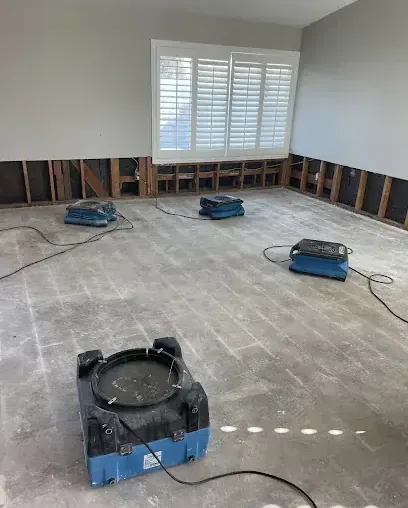 13Commercial Water DamageShops, offices and warehouses get unit by unit extraction and drying planned around reopening.Open the scope
From the first call to a dry structure
Every job follows the same order: stop the source, remove the water, dry what stays and record the readings.
Call and triage
The crew asks what failed, where the water is and whether it came from supply pipes or a drain, which decides the safety plan.
Extraction
Pumps and wands pull standing water off floors, and soaked padding or ruined materials leave before they hold more moisture.
Structural drying
Air movers and dehumidifiers run in the affected rooms while meters track wall, framing and subfloor readings.
Readings and records
Final readings, photos and a written scope go to the owner so an insurer can see what was wet and what was done.
What separates a dry house from a damp one
Water that sits for a day or two soaks into framing and flooring, and the repair bill climbs with every extra day the area stays wet.
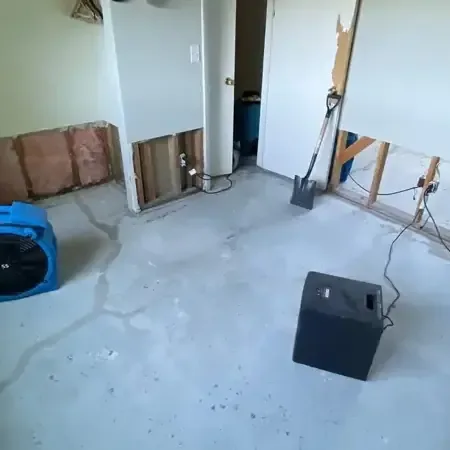
Moisture mapped, not guessed
Meters and thermal images show where water traveled behind walls, so drying equipment goes where the moisture actually sits.
Equipment sized to the room
Air movers, dehumidifiers and containment match the room and its materials instead of being set out the same way everywhere.
Clear scope before work
The owner sees what is being removed and what will be dried in place, with the reasons written down.
Records for the claim
Photos, readings and daily logs stay together in one file for the insurer and the owner.
Dry means measured, not just feeling dry
A surface that feels dry can hide wet studs and subfloor. Crews compare readings in affected areas against unaffected materials and keep drying until the numbers match.
What runs in a room during drying
Air movers
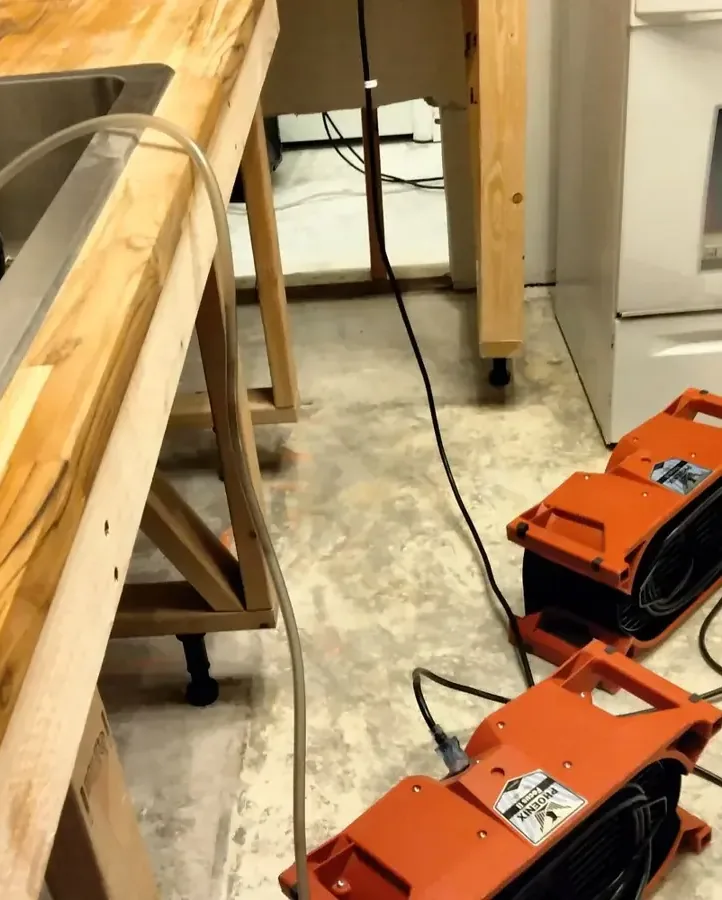
Low profile fans push air across floors and wall bases so trapped moisture leaves the materials.
LGR dehumidifiers
Low grain refrigerant units pull water vapor out of the air so it does not settle somewhere new.
Moisture meters
Pin and pinless meters check studs, subfloor and drywall, while thermal cameras trace hidden wet areas.
Extractors and pumps
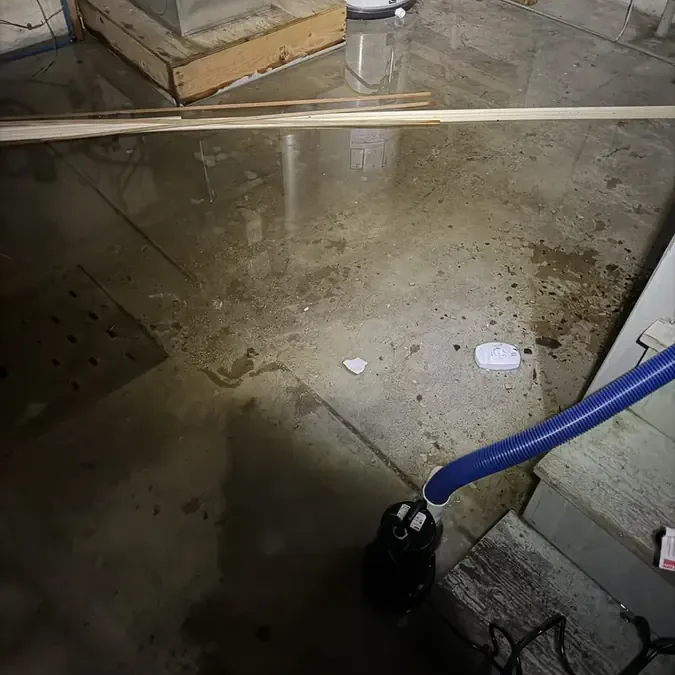
Truck mounted and portable units move large volumes of water out of basements and finished rooms.
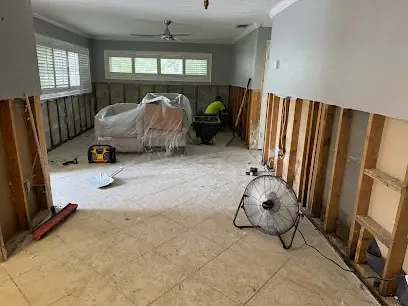
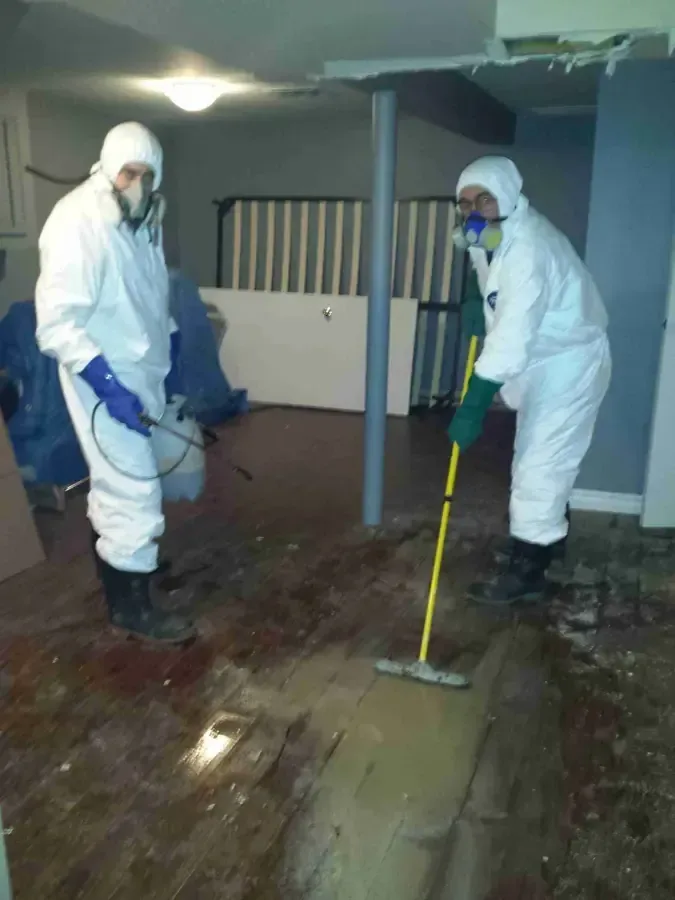
Water damage conditions and drying equipment
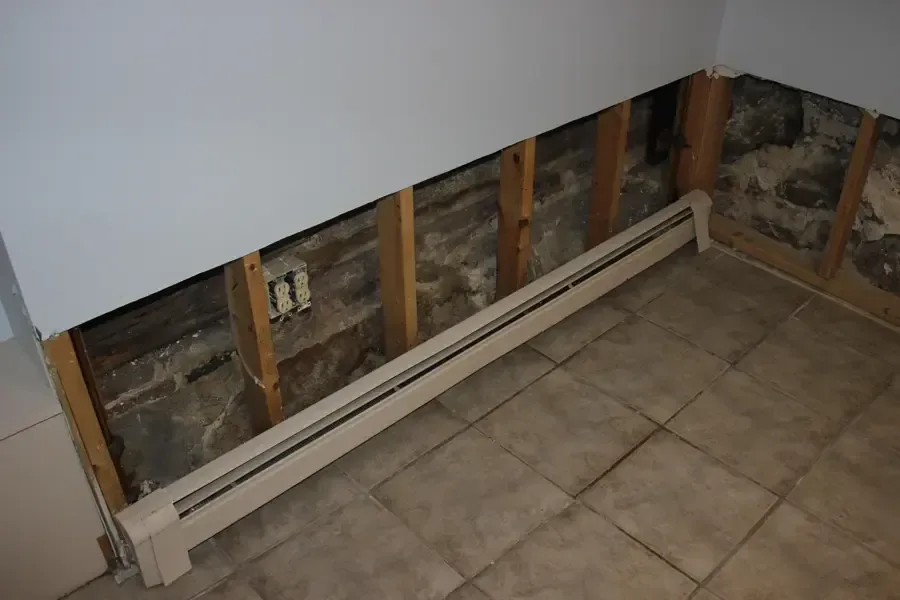
What does water damage restoration cost in Shakopee, MN?
Cost follows the water category, how many rooms are wet and how long the water sat. A small clean water job sits at the low end, while sewage or a second level moves the work into the top tier below.
One room with clean water
- Single room or one wall affected
- Extraction plus air movers
- A short drying run
Finished basement
- Carpet and padding removed
- Drywall cut where it wicked water
- Several days of drying
Sewage or two levels
- Protective cleanup of contaminated areas
- Disposal of affected materials
- Drying across both wet floors
These are planning ranges only. The crew confirms scope at the property after measuring moisture, and a written scope comes before any large removal.
Documenting the loss for your insurer
Insurers want proof of what was wet, when it happened and what was done. The crew builds that file as the job moves along.
- Dated photos of every affected room before anything is removed
- Moisture readings from walls, floors and ceilings
- A written scope listing each material removed and why
- Daily drying logs with equipment placement noted
- Final readings that show the structure reached dry
What owners can document
Before cleanup begins, owners can photograph the damage, note when the water started and set aside damaged items an adjuster may want to see.
Keep receipts for emergency repairs, like a plumber stopping a leak, and write down the claim number as soon as one is issued.
Water damage crews serving Shakopee neighborhoods and routes
Crews work across ZIP 55379, from downtown by the Minnesota River to the highway corridors.
ZIP code covered
Water damage does not wait for business hours, and a pipe that bursts at night soaks drywall just like one at noon.
Neighborhoods and routes
Other towns covered
Who to call when water is already in the house
The crew then maps the damage, says whether the water is clean or contaminated and begins removal in the order that limits spread.
Email for non-urgent questions: [email protected]
See every town and area covered (888) 432-4933Call about water in the houseWhat to do while you wait for the crew
- 1
Stop the source. Shut off the main water valve if a supply pipe is leaking, and keep away from standing water near outlets or appliances.
- 2
Cut power to wet areas. If water reaches outlets or the electrical panel, switch power off only when the breaker area is dry and safe to reach.
- 3
Lift what you can. Move rugs, small furniture and electronics out of the water so they do not soak up more moisture.
- 4
Photograph first. Take photos and video of the damage before anything is moved or thrown away, for the insurance file.
- 5
Skip the sewage. If the water came from a drain or toilet, keep children, pets and bare hands out of it.
Water risks around the Minnesota River
Shakopee sits on the south bank bend of the Minnesota River and is the Scott County seat, so river levels, winter freezes and heavy rain all shape the water risks owners see.
River and spring flood outlook
A March 2011 National Weather Service outlook gave a 40 percent chance of the river reaching its record flood level at Shakopee and listed water beginning to encroach on Highway 101.
Pipes in unheated spaces
Shakopee Public Utilities names crawl spaces and attics as likely places for pipes to freeze, so insulation there is the first defense against a winter split.
Leaving town in winter
The same utility suggests shutting off the water and draining the pipes before extended vacations, because a frozen pipe in an empty house keeps leaking unnoticed.
Untreated storm water
Runoff from yards and storm drains is untreated, according to Shakopee Public Utilities, and can carry fertilizer, automotive fluids and debris, which matters when floodwater enters a home.
A growing housing stock
Housing units grew from 7,805 in 2000 to 17,216 in the ACS 2024 5 year estimate, so homes of many ages and layouts need different drying plans.
June 2024
A swollen Minnesota River closed Highway 41 between First Street and Dem Con Drive, the route linking Chaska and Shakopee.
The water problems crews see most
Three problems are worth a closer look, and each has its own page covering the method, the cost range and common questions.
Split pipes in cold weather
Unheated crawl spaces and attic runs are where freezing starts, and a crack can soak insulation, ceilings and floors before anyone notices.
Burst pipe cleanupSump pumps that quit
When a pump fails during heavy rain, groundwater collects in the lowest room and spreads under flooring within a day.
Sump pump failure helpSewage in the drain
A backed up drain pushes contaminated water onto floors, so protective gear and careful removal come before any drying.
Sewage backup cleanupCommon water damage questions
Water in the house right now?
Stop the source if it is safe, take photos, then call. The crew can start the plan while you describe what happened.
(888) 432-4933 (888) 432-4933Call a crew for the wet roomsHow fast does water damage spread?
Water moves into drywall, baseboards and subfloor right away, and wet materials can support mold growth in 24 to 48 hours, so removal and drying should begin quickly.
Should I turn off the water myself?
Yes, if a supply pipe is leaking and the valve is reachable. Shut the main valve, stay away from standing water near outlets and then call so the crew can plan extraction and drying around the right rooms.
What does the first visit involve?
The crew locates the source, checks whether the water is clean or contaminated, takes moisture readings and photographs, then explains what can dry in place and what must be removed.
Is sewage handled differently?
Yes. Water from a drain or toilet can carry bacteria, so crews wear protective gear, remove porous materials that soaked it up and clean hard surfaces before drying begins. The sewage backup cleanup page explains the full process.
Can wet hardwood or carpet be saved?
Often, when the water was clean and removal started early. Padding is usually replaced, while carpet and hardwood may dry in place with the right airflow and dehumidification, which is why readings are taken before anything is thrown away.
What does the local utility say about freezing?
Shakopee Public Utilities advises insulating pipes in unheated areas such as crawl spaces and attics, and suggests shutting off the water and draining the pipes before extended vacations.
Will insurance cover the cleanup?
That depends on the policy and the cause. Sudden events such as a burst pipe are often covered while slow seepage often is not, so owners should read the policy and ask the insurer.
How long does drying take?
Drying usually runs several days, longer for dense materials or a finished basement. The crew checks readings at each visit and stops equipment only when the numbers reach the dry standard. See structural drying for the method.
Do crews work on businesses too?
Yes. Shops, offices and warehouses get the same extraction and drying, planned unit by unit so a business can reopen as soon as readings allow. The commercial page covers that work.
Who comes first, a plumber or a restoration crew?
Both matter. A plumber repairs the failed pipe or fixture and the restoration crew removes the water and dries the structure, and the order depends on whether the leak is still running.
Water in the house? Call before it reaches the framing
A crew can start the extraction plan as soon as you describe what failed.
(888) 432-4933Describe the damage to a crew