Emergency Water Extraction in Shakopee, MN
Standing water from a failed system or heavy rain soaks into flooring and walls fast. Crews pull it out with pumps and extraction wands, then check what moisture remains behind the surfaces.
(888) 432-4933Get the standing water pulled out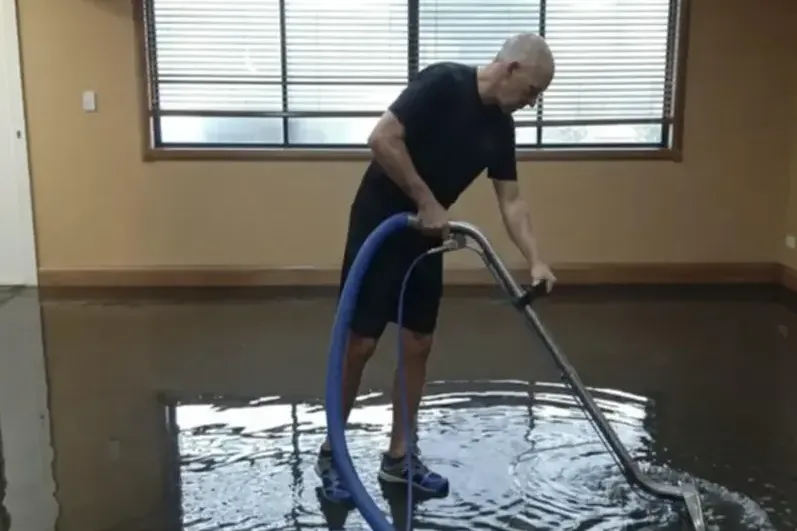
Why the drying standard matters for emergency water extraction
Dispatch at any hour
Active water is treated as urgent around the clock, weekends and holidays included, because drywall and carpet pad keep wicking while the water sits.
Dried to IICRC S500
The drying team sizes air movers and LGR dehumidifiers to the class of loss and leaves them running until the readings, not the surface, say dry.
A claim file from day one
Timestamped photos before demolition, a moisture map and daily psychrometric logs give the adjuster a clear record of the loss.
Built for cold-climate homes
Finished basements, frozen supply lines, ice dams and sump pits drive most losses here, so the extraction crew arrives equipped for them.
First moves for emergency water extraction
Safe steps for the household while the water is still moving and before the crew is on site.
- 1
Locate the water. The crew finds where it came from and confirms it has been shut off.
- 2
Pump and extract. Pumps clear depth and wands lift water from carpet, hard floors and low spots.
- 3
Pull wet materials. Soaked padding and damaged baseboards come out so they stop holding water.
- 4
Take readings. Moisture meters check walls and subfloor to set the drying plan.
What does emergency water extraction cost in Shakopee, MN?
Extraction cost tracks how much water is down, whether it is clean or contaminated and how many floors it reached. A single room usually sits in the lower tier, and a finished basement costs more.
One room, clean water
- Pumps and wands
- Padding removed
- Meters checked
Finished basement
- Deeper water
- Flood cuts as needed
- Several days of drying
Sewage or two levels
- Protective gear
- Contaminated materials out
- Drying on both floors
Ranges are typical, not a quote: the water category, square footage, material class and how fast drying started move the number most. The water damage cost calculator gives a closer range, and coverage depends on your own policy.
How the crew handles emergency water extraction
Assess
The crew checks water depth, source and category first.
Extract
Pumps and wands remove the standing water.
Remove
Soaked padding and wet trim leave the room.
Measure
Meters set the plan for the drying stage.
Water that sits on a floor does not stay there. It wicks into baseboards, spreads under flooring and finds the lowest point in the house, so removing it quickly decides how much has to be torn out later.
How crews remove standing water
Extraction starts with the water that can be seen. Submersible pumps handle depth, and wands or weighted extractors pull water out of carpet fibers and off hard floors. Once the visible water is gone, meters show how much moisture is still inside the materials.
- Pumps clear water deeper than a few inches
- Wands lift water out of carpet and padding
- Meters find wet spots under dry looking floors
Why rain and river conditions matter here
Shakopee sits on the south bank bend of the Minnesota River, and the river closed Highway 41 toward Chaska in June 2024. Heavy rain or a failed system can leave standing water in a home, and it should be pulled out quickly.
Extraction is only the first stage. Once the surface water is out, structural drying removes the moisture held in framing and subfloor.
What comes next
After extraction the crew decides what can dry in place and what must come out, such as soaked padding. The town hub lists every service that can follow.
Emergency water extraction across Shakopee and nearby towns
Extraction crews work ZIP 55379 from Downtown and the Historic District to The Landing and the area around Veterans Memorial Park, reaching homes and shops off U.S. Highway 169 and County Highway 101.
The same service nearby: emergency water extraction in Farmington, Burnsville, Richfield.
Every water damage service for this townEmergency Water Extraction questions
Still dealing with it?
Standing water on the floor right now? Describe what is wet and the crew can start the extraction plan.
(888) 432-4933 (888) 432-4933Report the flooded floorHow quickly should standing water be removed?
As early as possible. Water soaks into drywall, baseboards and subfloor right away, and wet materials can support mold growth in 24 to 48 hours.
Can a household wet vac do the job?
A wet vac handles a small spill but not depth, padding or water that has moved under flooring, which is where pumps and wands help.
Is clean water treated differently from sewage?
Yes. Clean supply water is simple to extract, while drain or toilet water is contaminated and calls for protective gear and a separate plan.
Will carpet have to be thrown out?
Often the padding goes and the carpet is saved, if the water was clean and extraction started early.
Does extraction include drying?
Extraction removes the water that can be pulled out. Air movers and dehumidifiers follow for the moisture left inside materials.
What should be done before the crew gets here?
Stop the source if it is safe, stay clear of outlets near the water and photograph the damage for the insurance file.
Pull the water out before it spreads
Extraction crews work around the clock, and early removal keeps the damage in the floor covering instead of the walls.
(888) 432-4933Request an extraction crew