Emergency Water Extraction in Richfield, MN
Standing water spreads into subfloors and wall bases quickly. The crew pulls it out with pumps and extraction wands, then measures what remains so drying can begin on a plan.
(888) 432-4933Start the pump-out now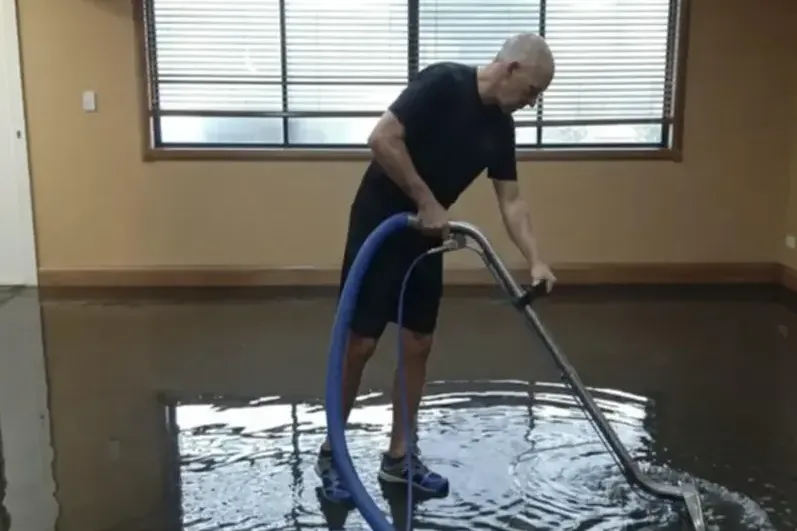
Why the drying standard matters for emergency water extraction
Dispatch at any hour
Active water is treated as urgent around the clock, weekends and holidays included, because drywall and carpet pad keep wicking while the water sits.
Dried to IICRC S500
The drying team sizes air movers and LGR dehumidifiers to the class of loss and leaves them running until the readings, not the surface, say dry.
A claim file from day one
Timestamped photos before demolition, a moisture map and daily psychrometric logs give the adjuster a clear record of the loss.
Built for cold-climate homes
Finished basements, frozen supply lines, ice dams and sump pits drive most losses here, so the extraction crew arrives equipped for them.
First moves for emergency water extraction
Safe steps for the household while the water is still moving and before the crew is on site.
- 1
Assess the water. The crew checks depth, source and whether sewage or electrical hazards are present.
- 2
Pump the volume. Submersible pumps remove deeper water, working from the lowest point of the floor outward.
- 3
Wand the surfaces. Extraction wands lift what remains from carpet, padding and hard floors.
- 4
Hand off to drying. Meters map damp areas and a dry-out plan is set before the crew leaves.
What does emergency water extraction cost in Richfield, MN?
Extraction alone is usually the smaller part of the bill. A small clean-water spill runs about $1,000 to $3,500, while a finished basement or sewage work moves into the higher tiers.
Small clean-water area
- One room
- Clean source
- Pumps and wands
Finished basement
- Carpet and padding out
- Drywall cut where wet
- Days of drying
Sewage or two levels
- Contaminated materials removed
- Protective gear
- Full cleaning
Ranges are typical, not a quote: the water category, square footage, material class and how fast drying started move the number most. The water damage cost calculator gives a closer range, and coverage depends on your own policy.
How the crew handles emergency water extraction
Assess
Source, depth and any electrical or sewage hazards are checked first.
Pump out
Pumps remove the deeper standing water.
Extract
Wands lift moisture left in carpet and floors.
Measure
Meters show what still needs drying before the crew leaves.
Water standing on a floor keeps moving. It runs under baseboards, wicks into drywall and soaks carpet padding, so the first job is getting the volume out rather than waiting for the leak to be repaired.
How extraction works on a wet floor
Pumps handle depth, and wands with squeegee heads handle the thin film left on hard floors and carpet. Technicians work from the lowest point outward, since water follows the slope of the subfloor and pools wherever the surface dips.
- Submersible pumps clear inches of standing water in finished and unfinished spaces
- Wands lift water from carpet and padding before it reaches the subfloor
- Wet vacuums finish stairs, corners and closets
What happens once the water is gone
Removing the liquid is not the same as drying. Walls, framing and wood subfloors still hold moisture, so meters map the damp areas and the crew decides what can stay, what must be cut out and where structural drying equipment belongs.
Heavy rain that flooded Twin Cities basements in late April 2014 is a reminder that a lower level can fill quickly when drains and pumps fail.
When to call for extraction
Any water deeper than a damp patch, any water that has touched drywall or insulation, and any water that came from a drain or toilet should be treated as an extraction job. Sewage adds protective steps, covered on the sewage backup page.
Emergency water extraction across Richfield and nearby towns
Extraction crews cover the 55423 ZIP code, from Downtown Richfield and 66th Street to the streets near Cedar Avenue, Lyndale Avenue and Wood Lake Nature Center, plus apartment buildings and businesses along the main routes.
The same service nearby: emergency water extraction in Farmington, Burnsville, Shakopee.
Every water damage service for this townEmergency Water Extraction questions
Still dealing with it?
Standing water works deeper into the structure the longer it sits.
(888) 432-4933 (888) 432-4933Ask about the pump-outHow deep must water be before extraction?
Any standing water, even a thin layer across a room, is worth removing because carpet and padding hold far more than they seem to, and the moisture keeps wicking upward.
Can a wet vacuum from a hardware store do the job?
It handles a small spill, but it cannot pull water out of padding or reach under cabinets, and it does nothing about moisture left in walls and subfloors.
Is water from a toilet or floor drain treated differently?
Yes. That water carries contamination, so protective gear, removal of porous materials and cleaning are added to the extraction.
Does extraction prevent mold?
It removes the largest source of moisture, but materials must also be dried, because growth can start in about 24 to 48 hours in damp conditions.
Do the pumps work in a finished basement?
Yes. Pumps and wands work over carpet, tile and vinyl, and the crew protects furniture and stairs while hoses run.
What should be done while waiting for the crew?
Shut off the water source if that is safe, keep clear of electrical outlets near the water and photograph the damage for the adjuster.
Get the water out of the house
Describe the source and the rooms involved, and the crew lays out the pumping and drying steps.
(888) 432-4933Dial for an extraction crew