Emergency Water Extraction in Farmington, MN
Standing water is the cheapest water to remove and the most expensive to leave. The extraction crew pulls it from carpet, pad and concrete with truck-mounted units, then sets drying equipment the same visit.
(888) 432-4933Get standing water pulled tonight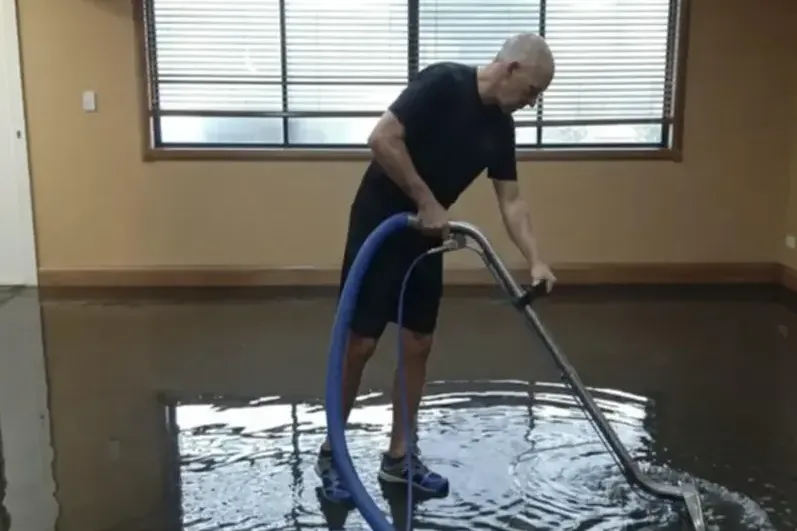
Why the drying standard matters for emergency water extraction
Dispatch at any hour
Active water is treated as urgent around the clock, weekends and holidays included, because drywall and carpet pad keep wicking while the water sits.
Dried to IICRC S500
The drying team sizes air movers and LGR dehumidifiers to the class of loss and leaves them running until the readings, not the surface, say dry.
A claim file from day one
Timestamped photos before demolition, a moisture map and daily psychrometric logs give the adjuster a clear record of the loss.
Built for cold-climate homes
Finished basements, frozen supply lines, ice dams and sump pits drive most losses here, so the extraction crew arrives equipped for them.
First moves for emergency water extraction
Safe steps for the household while the water is still moving and before the crew is on site.
- 1
Close the main shutoff. Stop the water at the meter where the line enters the basement.
- 2
Kill power to wet rooms. Only from a dry spot at the panel; otherwise wait for the crew.
- 3
Lift what you can. Boxes, rugs and electronics go off the floor and out of the room.
- 4
Photograph everything. Take pictures before anything is moved or thrown out.
What does emergency water extraction cost in Farmington, MN?
Water extraction and drying here typically runs $1,000 to $12,000. A small clean-water loss sits at the low end, while a soaked finished basement with carpet, pad and drywall removal sits near the top.
Small area, clean water
- Part of one room
- Extraction and drying
- Category 1 water
Finished basement
- Carpet and pad extracted
- Flood cuts as needed
- Several days of drying
Sewage or two levels
- Category 3 water
- Porous materials removed
- Containment and antimicrobial
Ranges are typical, not a quote: the water category, square footage, material class and how fast drying started move the number most. The water damage cost calculator gives a closer range, and coverage depends on your own policy.
How the crew handles emergency water extraction
Map
Meters and thermal imaging trace the wet area.
Extract
Truck-mounted units pull water from carpet and concrete.
Open up
Wet cavities and pad are opened or removed.
Dry and log
Air movers and LGR dehumidifiers run until readings say dry.
Extraction is the first and most important hour of any water loss. Every gallon pulled out as liquid is a gallon the dehumidifiers never have to evaporate, which shortens drying and keeps clean water from souring into a dirtier category.
How extraction works on a finished basement
The crew starts with a moisture map so nothing wet gets missed under carpet, behind baseboards or along the floor joint. Truck-mounted units then pull water through weighted wands and stand-on extractors that squeeze carpet and pad against the concrete.
Pad that wicked clean water is often saved; pad touched by gray or sewage water is cut out.
- Weighted extraction for carpet and pad
- Squeegees and pumps for bare concrete
- Thermal imaging to find water under flooring
When water reaches walls and framing
Drywall wicks water upward fast. When readings show the cavity is wet, the crew opens the bottom of the wall or makes a flood cut so air can reach the studs and bottom plate.
Clean water caught early can usually be dried in place; anything left for days usually cannot.
Safety before extraction
Power to wet areas is shut off first, and the crew checks the furnace, water heater and panel before working near them. OSHA flood cleanup guidance covers the electrical and contamination hazards, and Ready.gov flood tips explain what to do before the crew arrives.
Emergency water extraction across Farmington and Dakota County
Crews cover ZIP 55024 end to end: Downtown and Uptown along the Vermillion River trail, the newer subdivisions north of County Road 50, the North-East neighborhoods toward Empire Township and the streets around the fairgrounds off Chippendale Avenue.
Nearby coverage reaches Lakeville, Rosemount, Apple Valley, Burnsville, Hastings, Northfield, Cottage Grove, Shakopee.
Every neighborhood and town on the coverage mapMore water damage services
Emergency Water Extraction questions
Still dealing with it?
Water still standing on the floor? Every hour lets it climb higher into drywall.
(888) 432-4933 (888) 432-4933Book extraction before it wicksHow fast does water extraction need to start?
As soon as possible. Carpet pad and drywall keep wicking for as long as water sits, and clean water can turn into a dirtier category within a couple of days.
Can a shop vac do the same job?
A shop vac removes surface water but cannot pull water out of carpet pad or the concrete underneath. Truck-mounted extraction removes far more, which shortens drying.
Does carpet always have to be replaced?
No. Carpet and pad wet with clean water and extracted quickly can often be dried in place. Pad touched by gray or sewage water is removed.
What happens after the water is extracted?
The drying team sets air movers and LGR dehumidifiers, logs readings every day and removes equipment only when materials reach the dry reference.
Is water extraction usually part of an insurance claim?
When the loss is sudden and accidental, extraction is typically the first line on the scope. Coverage depends on your own policy, so check it with your insurer.
Standing water in the house? Get it extracted first
The extraction crew pulls the water, maps the moisture and sets drying equipment in one visit.
(888) 432-4933Start the water removal now