Water Damage Restoration Burnsville, MN
A supply line that splits in an older house or a toilet leak in the condominium overhead can soak drywall, carpet pad and framing before anyone sees it. Extraction comes first, then measured drying until the readings meet IICRC S500.
(888) 432-4933Dispatch extraction to the lower level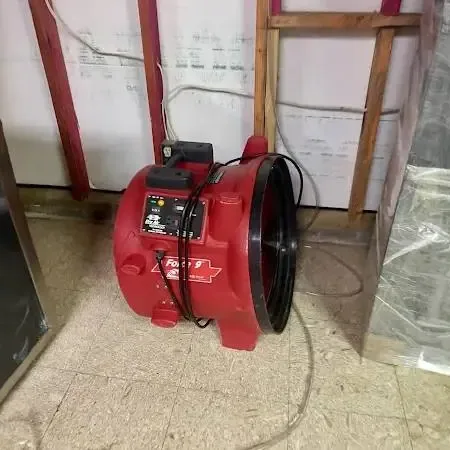 Dispatch open 24/7
Water moving across a floor right now? Close the main shutoff if it is safe, then call dispatch.
(888) 432-4933Water Damage Restoration Services in Burnsville, MN
Water and sewage only, from the first extraction pass to the last dry reading, for houses near the lakes and the river as well as downtown condominiums and apartment buildings.
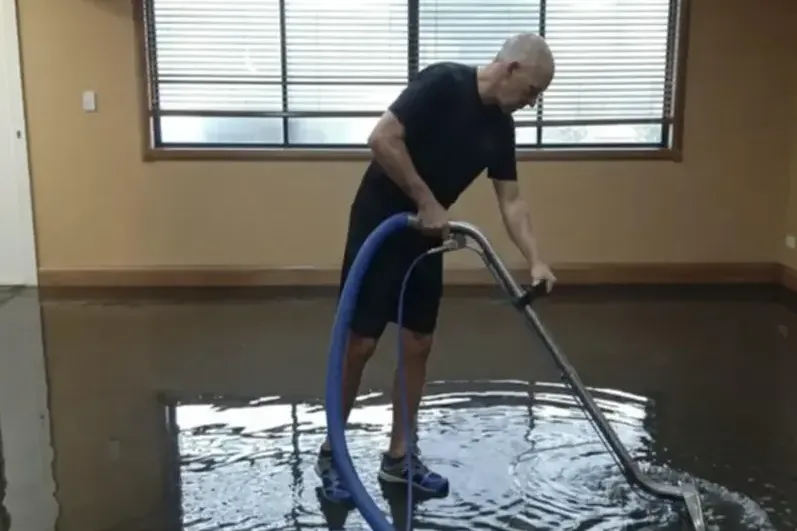 01Emergency Water ExtractionStanding water pulled off carpet, pad and hard floors with truck-mounted units before it climbs into walls.Open the scope
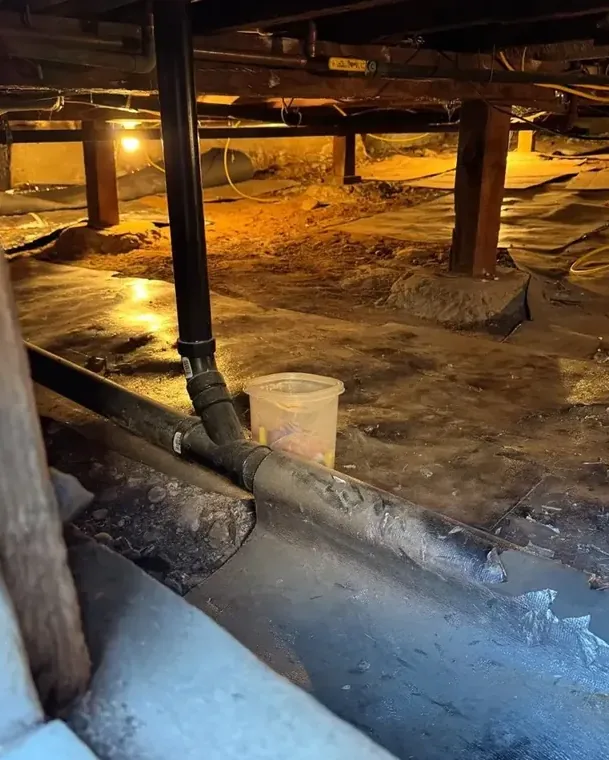 02Basement Flooding CleanupWater in a lower level pumped out, wet pad and drywall bottoms removed and the space dried by readings.Open the scope
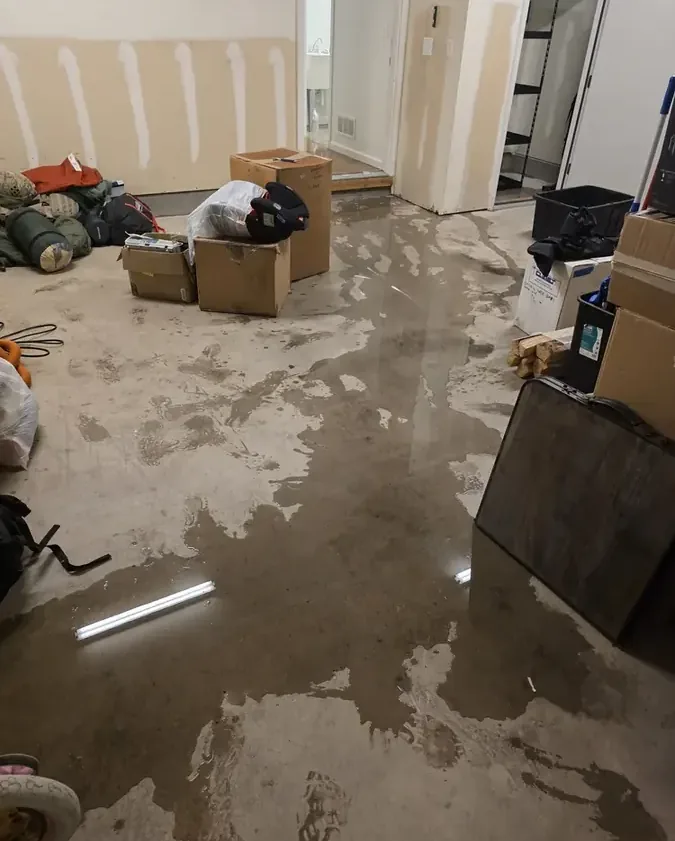 03Sump Pump Failure CleanupA pit that overflowed after a pump stalled or a float stuck, extracted, cleaned and dried out.Open the scope
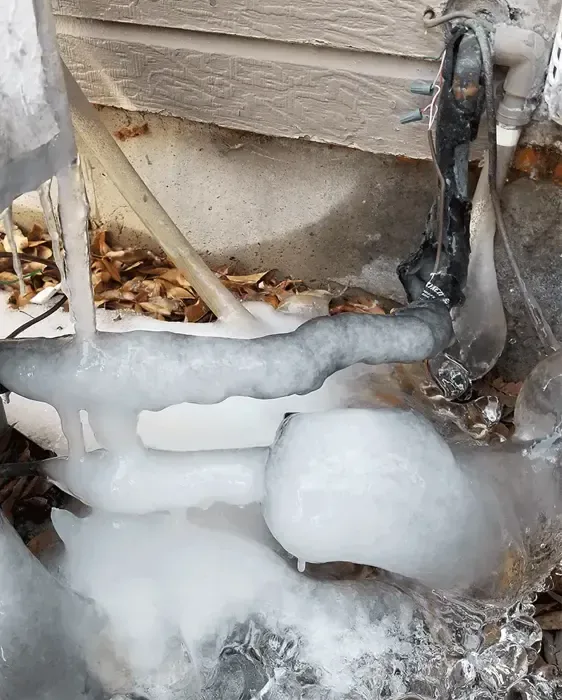 04Frozen Pipe Water DamageSupply lines split by deep winter cold and leaking on the thaw, walls opened and cavities dried.Open the scope
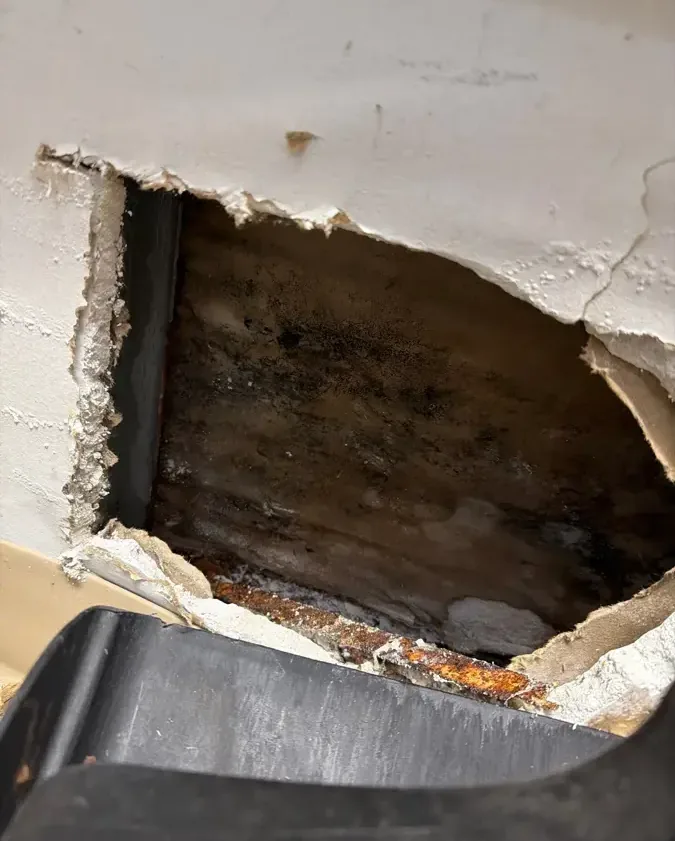 05Burst Pipe Water DamageFittings and lines that failed under pressure inside walls and ceilings, extracted before framing swells.Open the scope
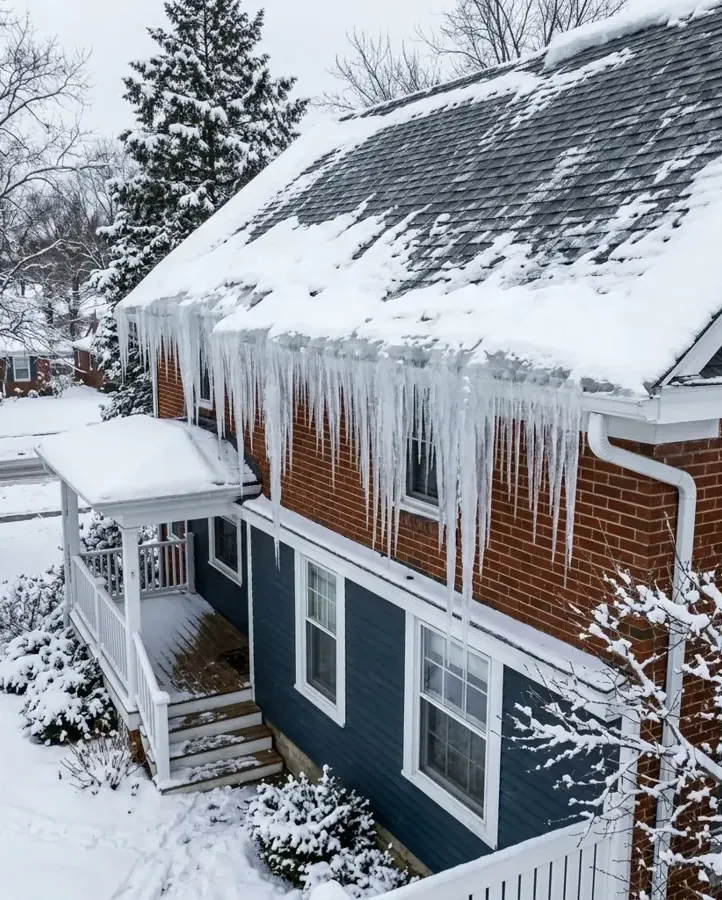 06Ice Dam and Roof Leak DamageMeltwater forced under shingles at frozen eaves, soaked attic insulation pulled and ceilings dried.Open the scope
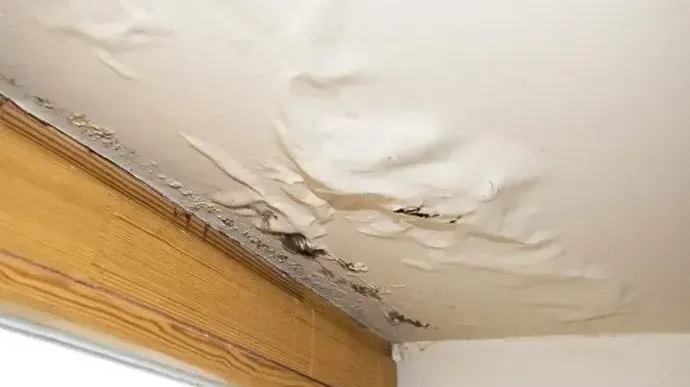
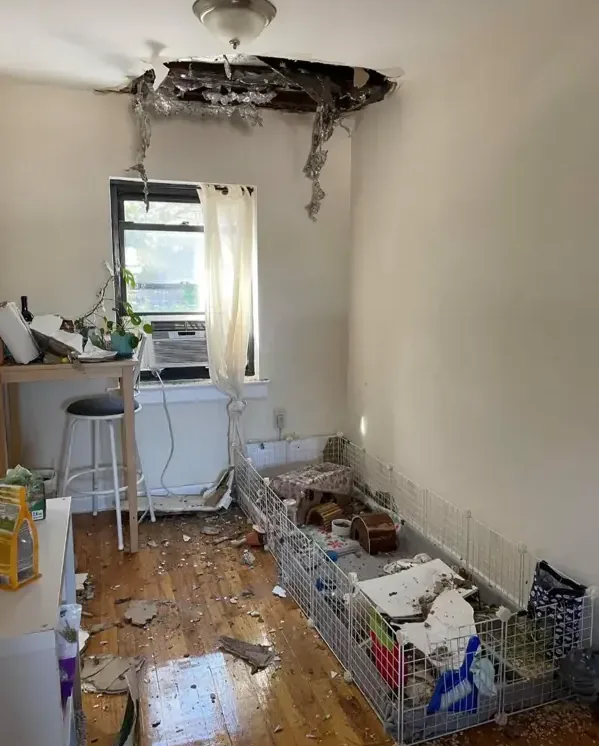 07Ceiling Leak Water DamageLeaks from a bath, laundry or the unit above traced, sagging drywall drained and joist bays dried.Open the scope
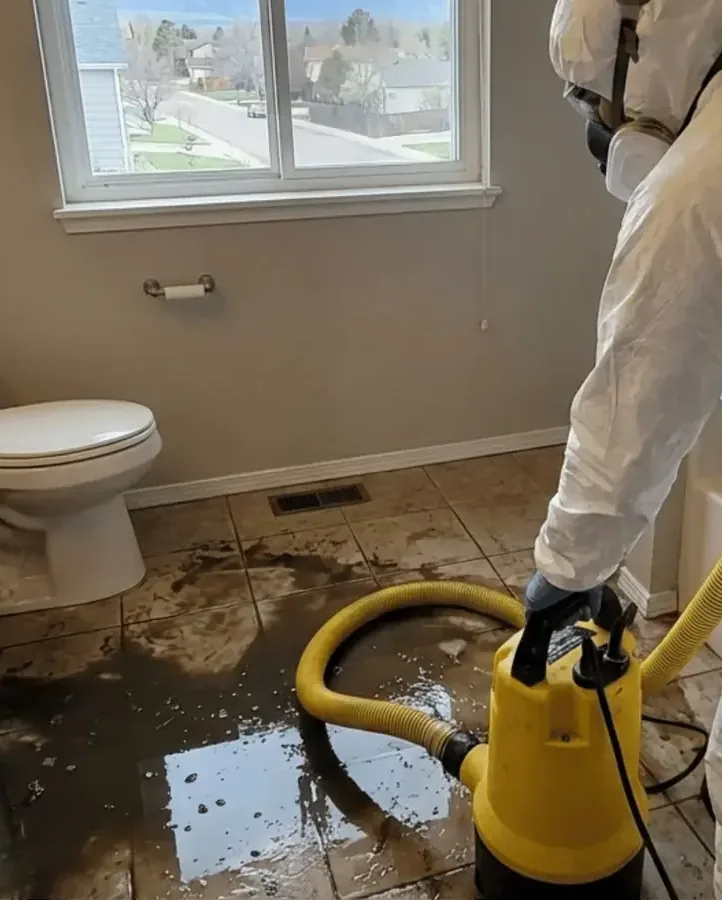 08Sewage Backup CleanupDrain and toilet backups handled as Category 3 with containment, removal and antimicrobial treatment.Open the scope
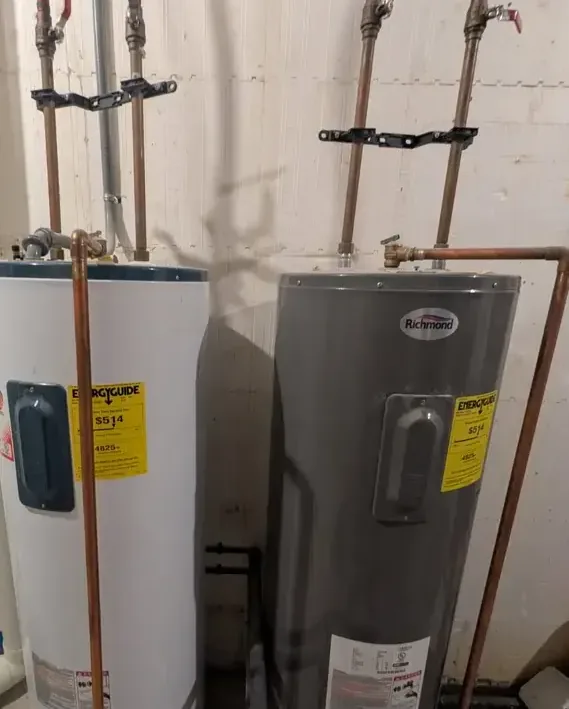 09Water Heater Leak CleanupTank and valve failures extracted before nearby carpet, framing and stored belongings soak through.Open the scope
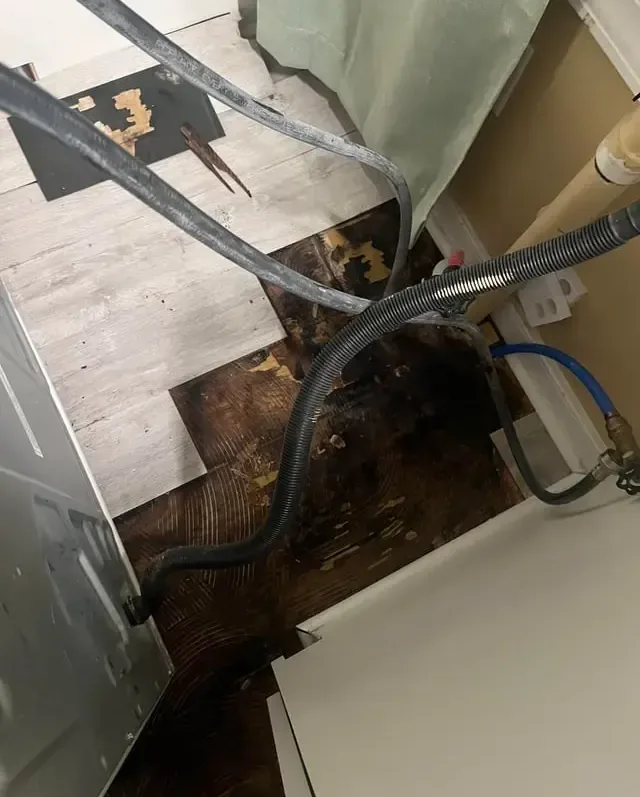 10Appliance Leak Water DamageWasher hoses, dishwashers and ice maker lines leaking under cabinets and flooring, dried from below.Open the scope
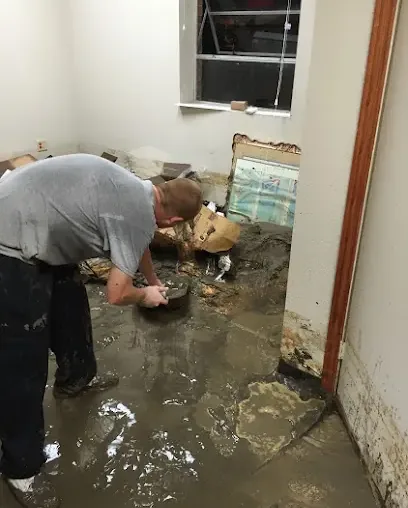 11Storm and Snowmelt Flood CleanupHeavy rain and thaw water that entered a lower level treated as contaminated, removed and dried.Open the scope
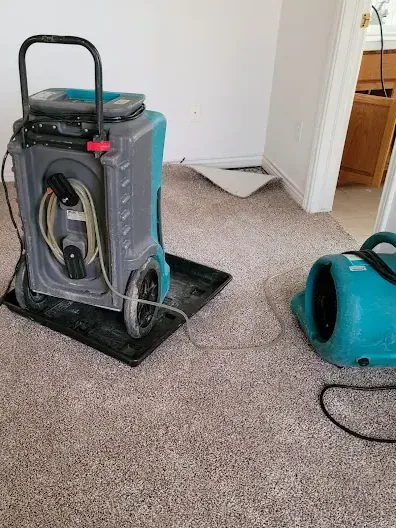 12Structural DryingFraming, subfloor and concrete dried until readings sit within 2 to 4 points of a dry reference.Open the scope
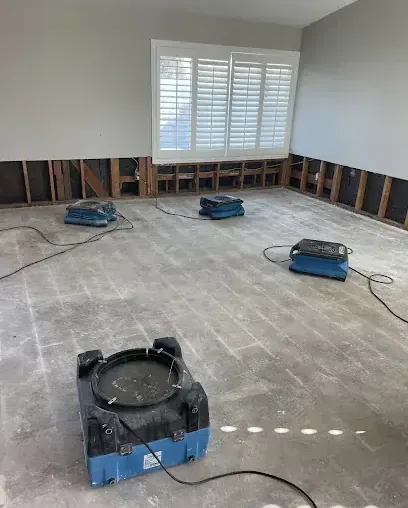 13Commercial Water DamageRetail, office and industrial spaces dried in phases so the business keeps running where it can.Open the scope
How a Burnsville water loss goes from wet to verified dry
Moisture is mapped before any equipment goes down, so the plan matches what is actually wet instead of what looks wet.
Find the source
Whoever is on site closes the valve or main, and thermal imaging plus pin meters chart where the water traveled behind trim, under flooring and up the studs.
Pull the water
Truck-mounted units take liquid out of carpet, pad, tile and concrete first, because removing water as liquid is far cheaper than evaporating it later.
Set the drying plan
The class of loss decides how many air movers and LGR units go into each room, and every reading lands in a daily log.
Prove it is dry
Wet materials are compared against an unaffected reference of the same material, and nothing leaves until the numbers line up within 2 to 4 points.
Built for the way water travels through a house
Water runs downhill and into the lowest finished space it can find, so drying it out takes meters and a plan rather than towels and a box fan.
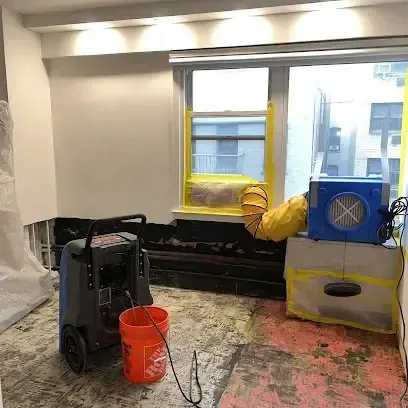
No waiting for morning
A leak found at midnight on a holiday weekend is handled the same way as one found on a Tuesday afternoon: as an emergency.
Numbers over guesswork
Thermal cameras, pinless scanners and penetrating meters locate hidden moisture, and psychrometric readings track the air each day.
Paper trail for the insurer
Photos with timestamps before anything is torn out, a marked-up moisture map and dated logs make the loss easy to follow.
Sized to the building
A single family lower level, a condominium unit and a retail space each get equipment and containment matched to their layout.
Every room dried to the IICRC S500 standard
The IICRC S500 standard is the industry rulebook for water damage restoration. It defines the category and class of every loss and ties drying to readings, not to how a surface feels.
The gear a proper dry-out depends on
Truck-mounted extractors
Heavy suction strips water from carpet, pad, tile and concrete long before it can wick into wallboard.
Low grain refrigerant units
These dehumidifiers keep drawing moisture from cool, already dry air, the point where household units give up.
High-velocity air movers
Each one is aimed by the evaporation load of the room so wet surfaces and wall cavities keep releasing water.
Scanners and thermal cameras
They reveal water behind finished walls and under floors, then document the final dry reading.
What a water damage dry-out looks like from start to finish
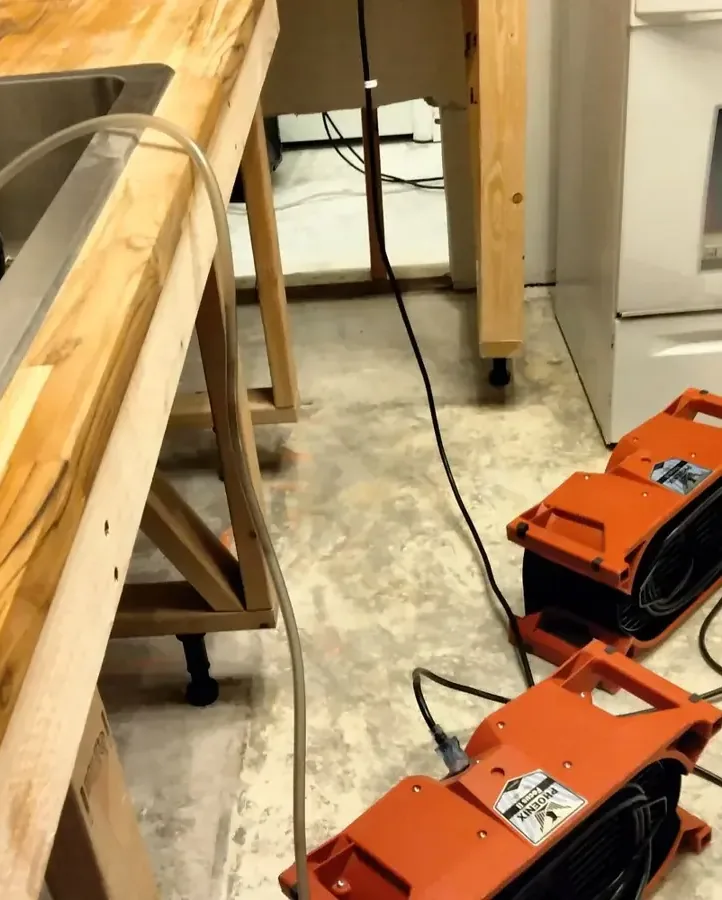
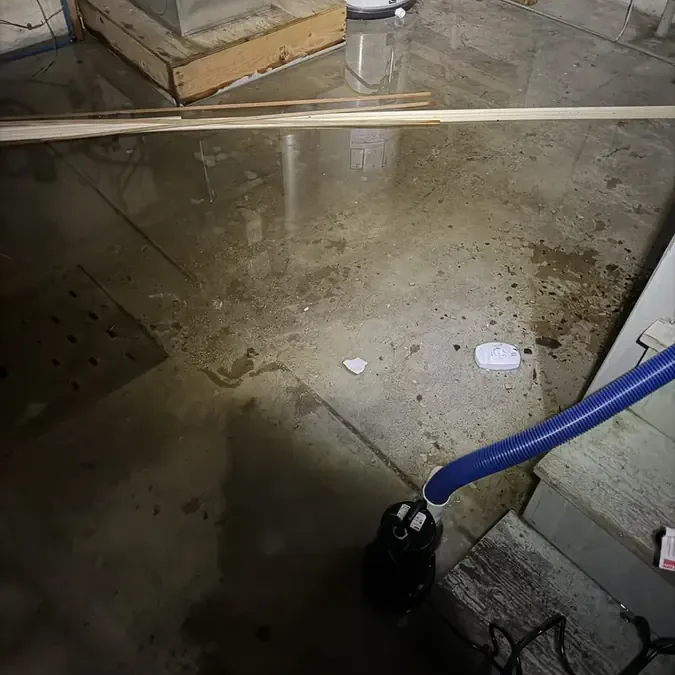
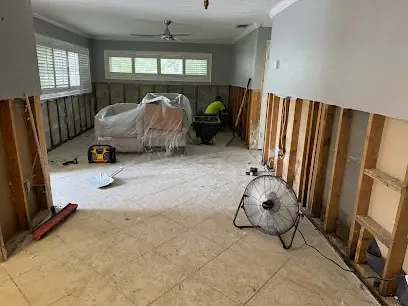
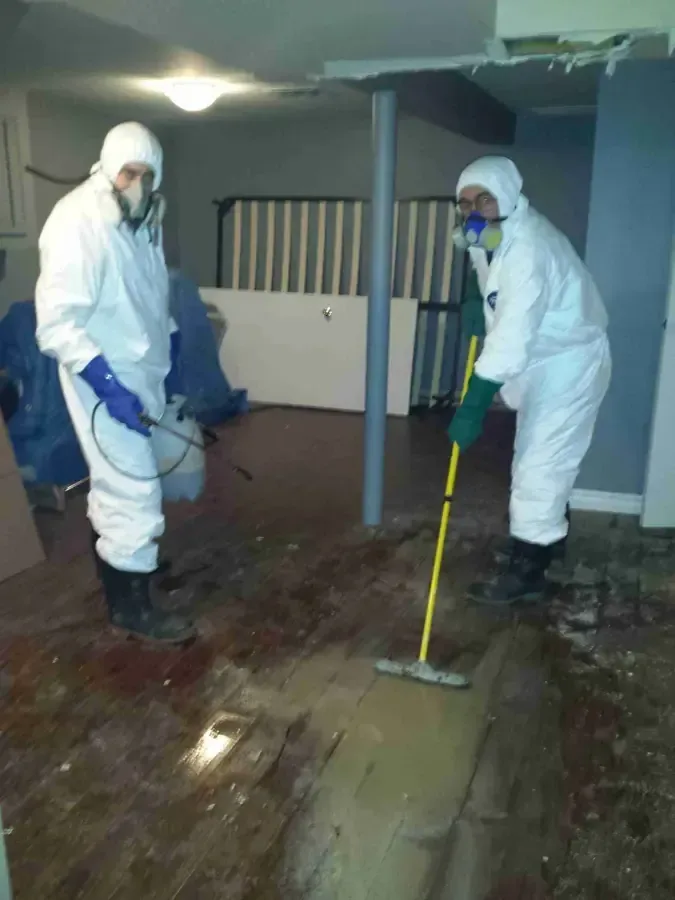
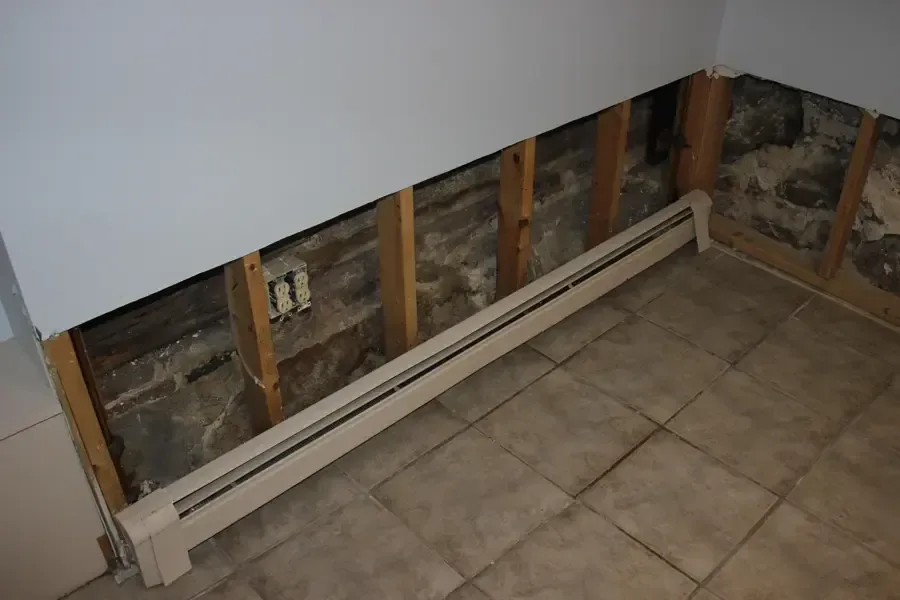
What does water damage restoration cost in Burnsville, MN?
Most losses land between $1,000 and $12,000, while sewage or water across two floors can climb to $30,000. Contamination level, wet square footage, the materials involved and the hours before drying began drive the total.
Small clean-water loss
- A single room or one lower-level corner
- Supply water found quickly
- Water removal plus a short drying run
Finished lower level
- Soaked carpet, pad and wallboard edges
- Baseboards pulled and walls cut low
- Dehumidifiers running with logged readings
Sewage or two levels
- Black water or two floors involved
- Sealed work area and material removal
- Disinfection before any drying
Figures are typical ranges, never a quote. For a tighter estimate try the water damage cost calculator; the walkthrough sets the actual scope.
What goes into the claim file
Adjusters work from evidence, so documentation begins before the first wet carpet or piece of drywall leaves the house.
- A marked moisture map with every wet reading
- Daily logs of temperature, relative humidity and grains per pound
- Dated photos of each room before anything is removed
- The water category and loss class under IICRC S500
- An itemized scope listing extraction, tear-out and drying
Check your own policy
Policies tend to separate a sudden internal failure, like a cracked supply line or a ruptured tank, from water that rises or flows in from outdoors.
Backup from a sewer or sump is frequently an add-on endorsement, and condominium owners often share coverage with an association master policy. Ask your insurer early.
Water damage help across Burnsville and the river valley
Dispatch covers ZIP 55337 and 55306, from Heart of the City to the lakes and the river bluff.
ZIPs covered
Both ZIPs are covered, from downtown condominiums near Nicollet Avenue to homes around Crystal Lake and the shops along County Road 42.
Neighborhoods and corridors
Nearby towns
Not sure dispatch reaches your street? Ask before you wait
Nearby towns get the same around-the-clock dispatch for extraction, drying and sewage work, with the arrival window set during the call.
Email for non-urgent questions: [email protected]
See every town on the coverage map (888) 432-4933Check dispatch for your blockWhat to do before the extraction crew arrives
- 1
Shut the water off. Turn the main valve, usually beside the meter where the line comes in, or close the fixture valve if the leak is at one sink or toilet.
- 2
Keep away from electricity. Wet carpet near outlets, the furnace or the panel stays off limits until power to that circuit is off.
- 3
Warn the unit below. In a condominium or apartment, tell the neighbor underneath and the building manager so ceilings get checked.
- 4
Save and record. Get rugs, boxes and electronics off the floor, and take photos of every wet area before anything is thrown away.
- 5
Start the extraction. Water removed within hours stays cleaner and cheaper, while water left overnight soaks deeper into the structure.
Where water trouble starts in Burnsville
A river floodplain on the north edge, about 11 recreational lakes, decades of boom-era housing and a dense downtown of condominiums shape the losses seen here.
River floodplain to the north
The Minnesota River runs along the northern border through marshland and flood plains, and Black Dog Creek and Black Dog Lake sit in that floodplain.
Lakes and storm runoff
Rain runs through the city storm sewer system into lakes, ponds and wetlands, and a heavy storm can still push water toward window wells and doorways.
Boom-era plumbing
The city grew from 2,716 residents in 1960 to roughly 60,000 by 2000, so supply lines, fittings and water heaters range widely in age from house to house.
Units stacked overhead
Heart of the City condominiums and the apartment complexes added in the 1990s mean a leak can start in the unit above and show up in a ceiling below.
Minnesota winters
Deep cold can freeze and split supply lines in exterior walls, and snow on a warm roof can form ice dams that push meltwater into ceilings.
From 1960 on
Interstate 35W arrived in 1960, the largest population boom followed, and mass housing development filled the city by the late 2000s.
Clean, gray and black water, each with its own cleanup
The category of the water decides what can be dried where it sits and what has to be removed, so it is assigned on the first walkthrough.
Category 1, clean water
A cracked supply line, a pipe that froze or a tank that let go. Removed quickly, it can usually be dried right where it landed.
Burst pipe water damageCategory 2, gray water
Discharge from a washer or dishwasher, or a sump pit that ran over. Soaked pad is discarded and hard surfaces are treated first.
Sump pump failure cleanupCategory 3, black water
Sewer backups and storm water from outside. The area is sealed off, porous items come out, and disinfection precedes drying.
Sewage backup cleanupBurnsville water damage questions
Water on the floor right now?
Reading can wait. Shut the main if it is safe to reach, keep clear of outlets and the panel, and phone the 24/7 dispatch desk.
(888) 432-4933 (888) 432-4933Describe the leak to dispatchWhat happens once dispatch has the details?
Dispatch checks the address, where the water is coming from and whether it is still flowing, then routes the extraction crew. The first visit covers stopping the source, charting the moisture, removing standing water and setting up drying gear.
Does a home near the Minnesota River or a lake face more risk?
The river floodplain runs along the northern border, with Black Dog Creek and Black Dog Lake inside it. Low ground collects runoff in heavy rain, so window wells and walkout doors on lower lots are worth checking before storm season. See storm and snowmelt flood cleanup for outside water.
How many days does a finished lower level need to dry?
Expect several days after extraction, and more when framing or concrete took on water. The gear stays until wet materials read within 2 to 4 points of an unaffected reference, regardless of how dry the carpet feels.
What is IICRC S500 and why does it matter?
It is the professional standard for water damage restoration. It sorts water by contamination category, rates how much the materials absorbed, and requires drying to be proven with readings instead of judged by touch.
Can wet wallboard stay, or must it go?
Wallboard that wicked clean water often stays, with the bottom of the cavity opened for airflow. Board touched by gray water or sewage, or wet long enough to swell and crumble, is cut away above the high water mark.
Why is a sewer backup treated so differently?
Sewage is Category 3 and carries bacteria. Technicians suit up, seal the work area, discard porous materials it reached and apply an EPA-registered antimicrobial for the full label dwell time before drying starts. More on sewage backup cleanup.
What if the water came from the condominium upstairs?
The leaking unit is stopped first, then the ceiling, walls and floor beneath are mapped and dried. Your policy, the upstairs owner's policy and the association policy may all apply, and clear records help each of them.
How is a water damage bill put together?
It starts from the contamination category, the wet square footage, the type of materials involved and the number of equipment days. Tear-out of carpet, pad and wallboard and any containment show up as their own lines.
Will my homeowners policy pay for lower-level water?
A sudden plumbing or tank failure is frequently covered. Water from outdoors and backup from a sewer or sump are usually handled under different terms, often through an endorsement. Read your own policy and call your insurer.
Is it safe to leave a wet lower level until next week?
Delay raises the cost. Pad and wallboard keep drawing water upward, clean water turns dirtier, and mold can start on damp materials within 24 to 48 hours.
Water in a Burnsville home? Get it out before it reaches the framing
Standing water keeps climbing into drywall and framing. The extraction crew can start tonight.
(888) 432-4933Send the crew to Burnsville now