Water Damage Restoration Richfield, MN
A burst pipe, a flooded basement or a backed-up drain needs the water out and the structure drying before damage spreads. The crew handles extraction, removal of ruined materials and monitored drying for homes, apartments and businesses here.
(888) 432-4933Call the drying crew now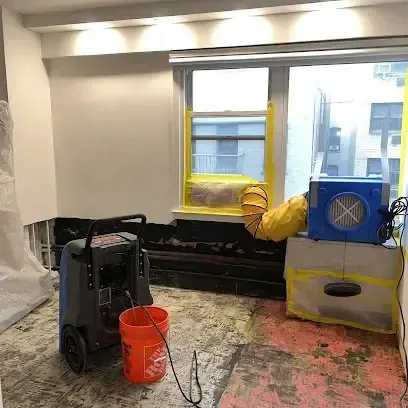 Dispatch open 24/7
Cleanup begins with stopping the source and photographing the damage, which helps when an adjuster asks what happened.
(888) 432-4933Water and sewage problems the crew handles
Thirteen kinds of loss are covered, from a slow appliance drip to a flooded lower level, and each one starts with stopping the water and measuring where it went.
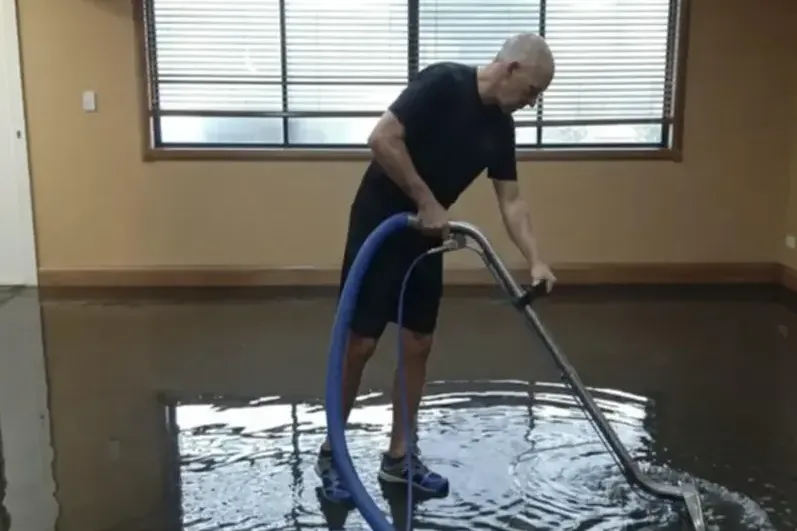 01Emergency Water ExtractionPumps and extraction wands pull standing water off floors before it settles into subfloors, baseboards and the padding beneath carpet.Open the scope
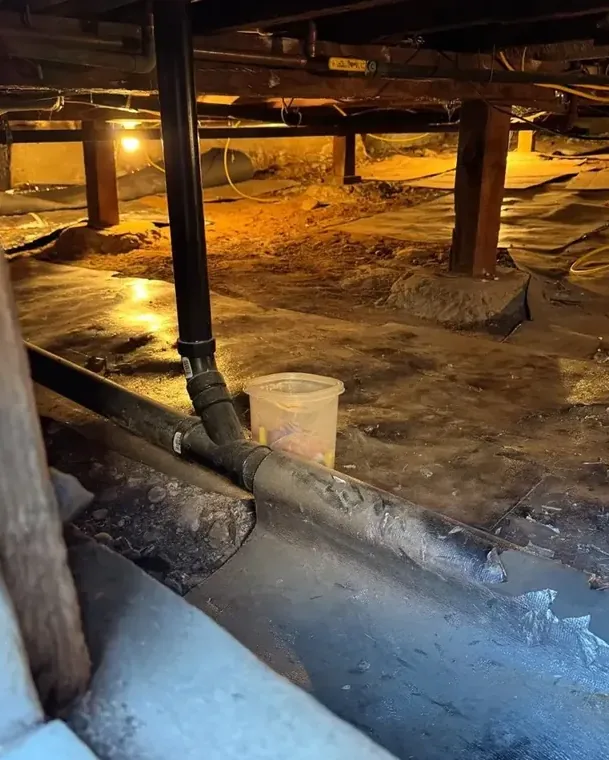 02Basement Flooding CleanupFlooded lower levels are pumped out, stripped of ruined finishes and dried, whatever let the water in.Open the scope
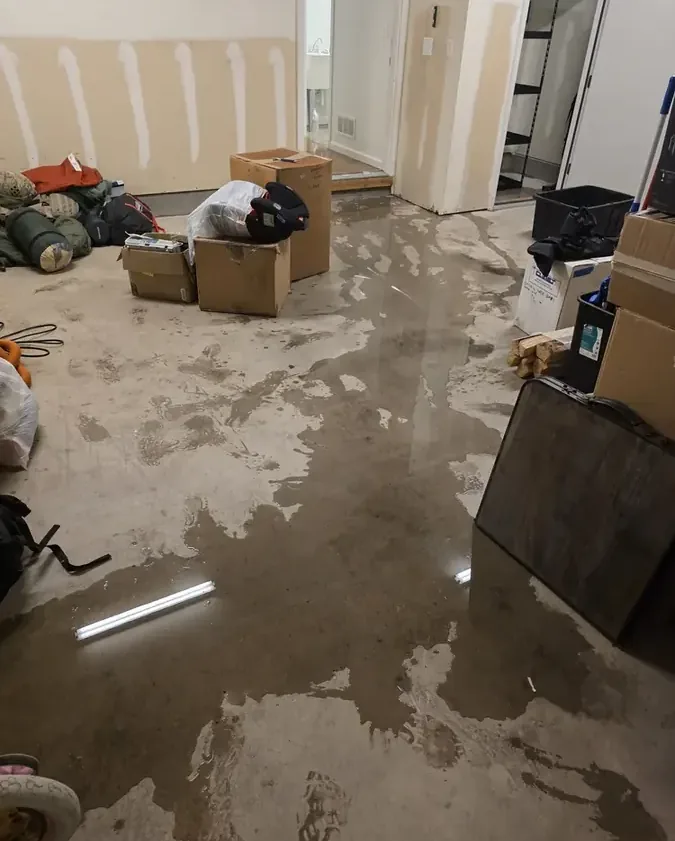 03Sump Pump Failure CleanupWhen a sump pit overflows, the crew clears the lowest floor and dries the surrounding walls.Open the scope
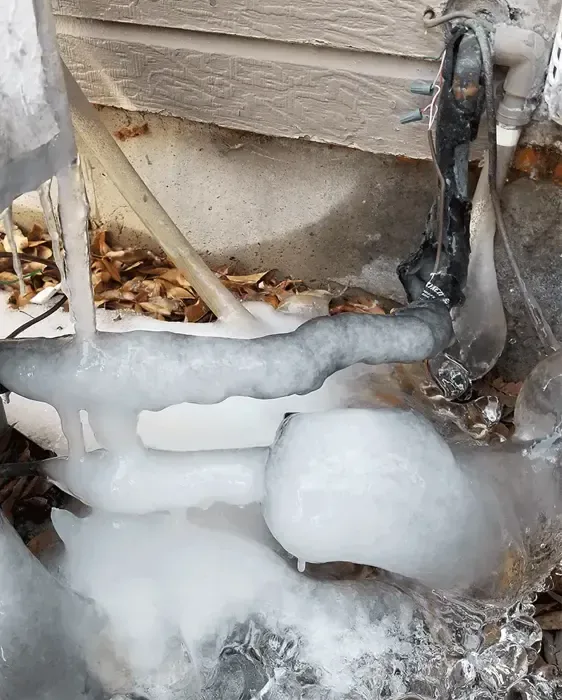 04Frozen Pipe Water DamageCold snaps split pipes in walls and basements, so the work covers the leak, soaked insulation and drying.Open the scope
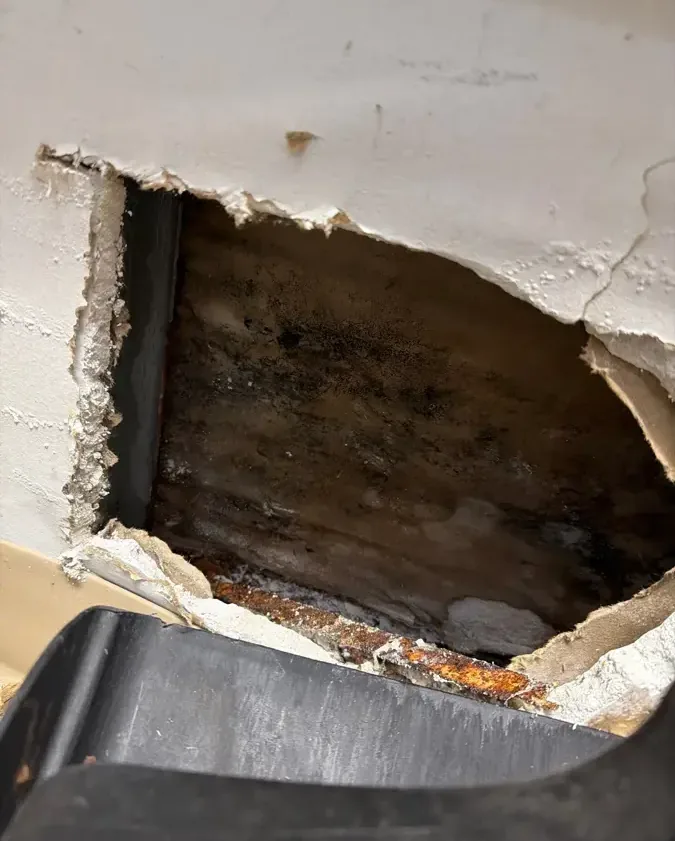 05Burst Pipe Water DamageA burst supply pipe can soak two floors, so extraction, drywall removal and drying run together.Open the scope
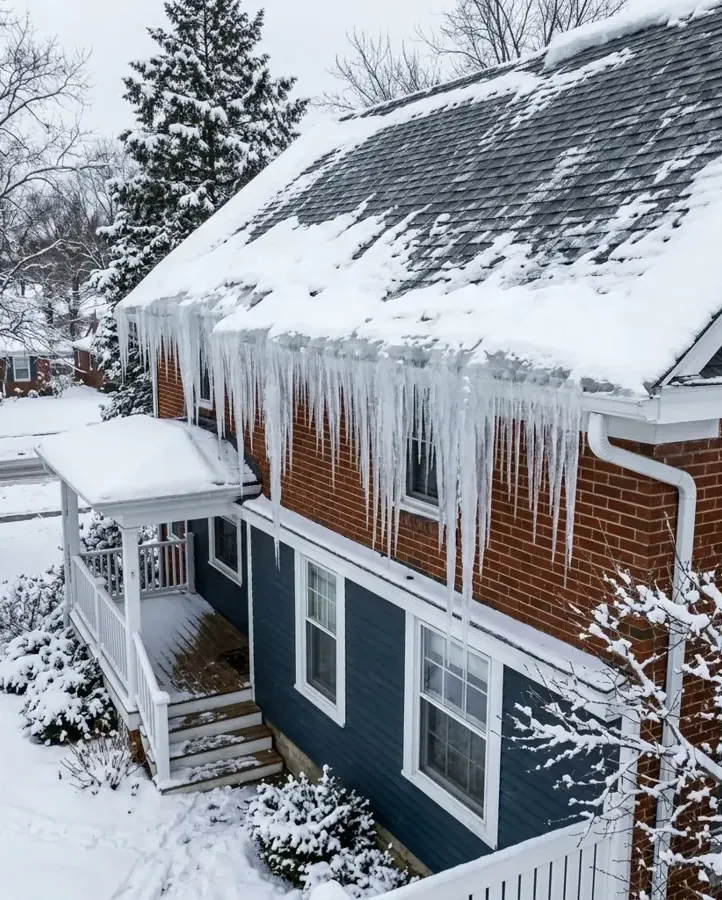 06Ice Dam and Roof Leak DamageMeltwater backed up behind roof-edge ice stains ceilings and soaks insulation, which then gets opened and dried.Open the scope
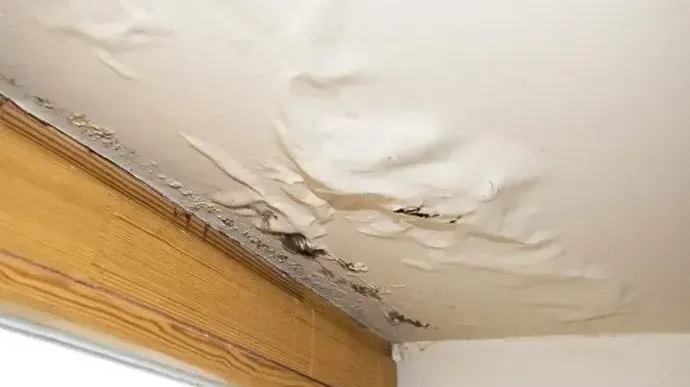
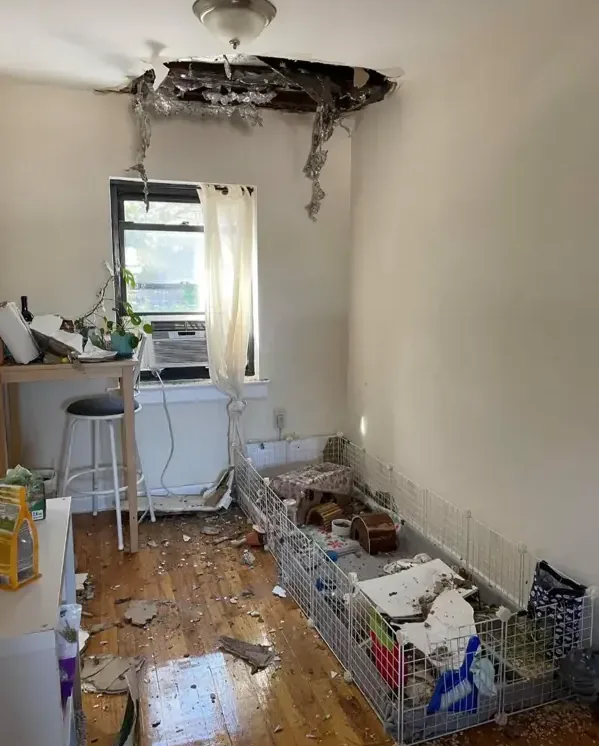 07Ceiling Leak Water DamageStained or sagging ceilings are opened and dried, whether the leak began on the roof or in the unit above.Open the scope
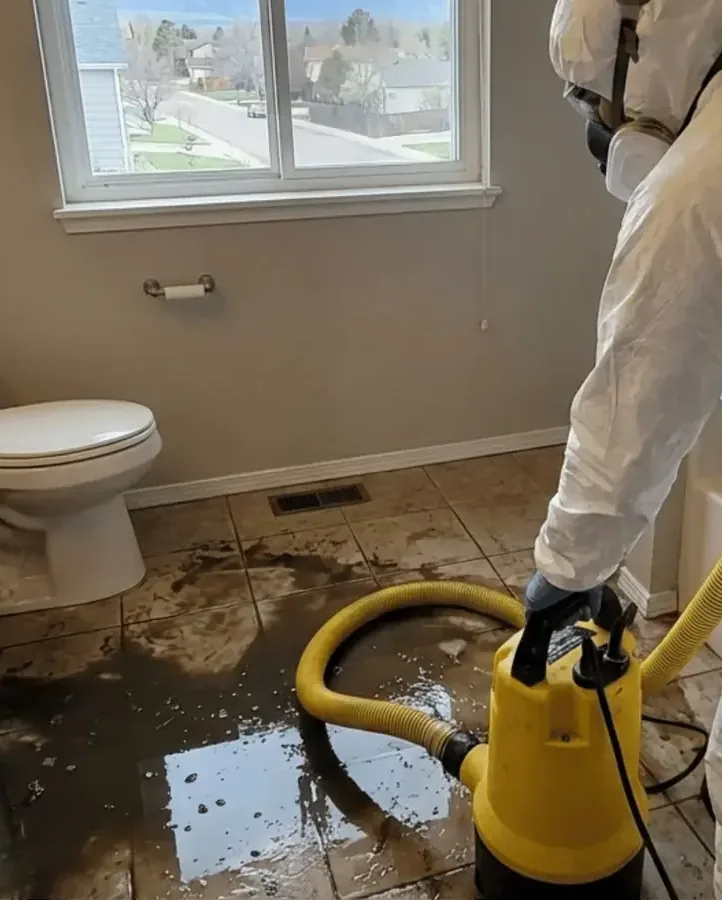 08Sewage Backup CleanupBacked-up drains bring contaminated water indoors, so crews extract it, remove porous materials and disinfect the area.Open the scope
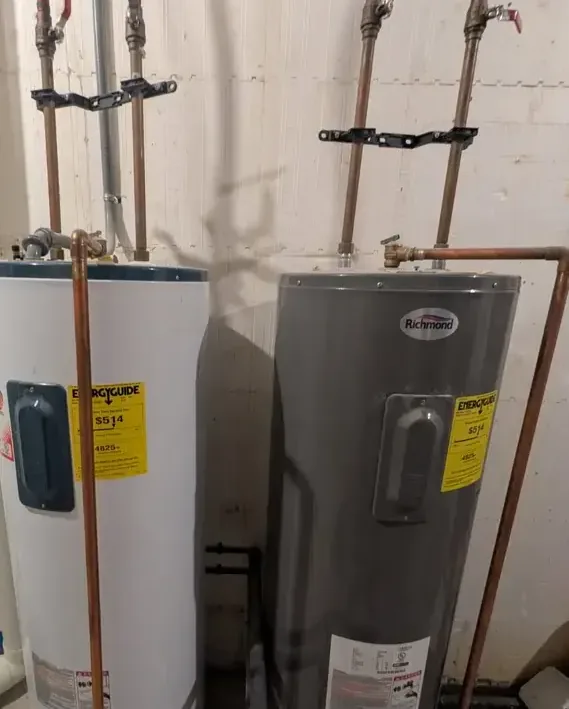 09Water Heater Leak CleanupA leaking tank floods the utility room and creeps under walls, so cleanup follows the water outward.Open the scope
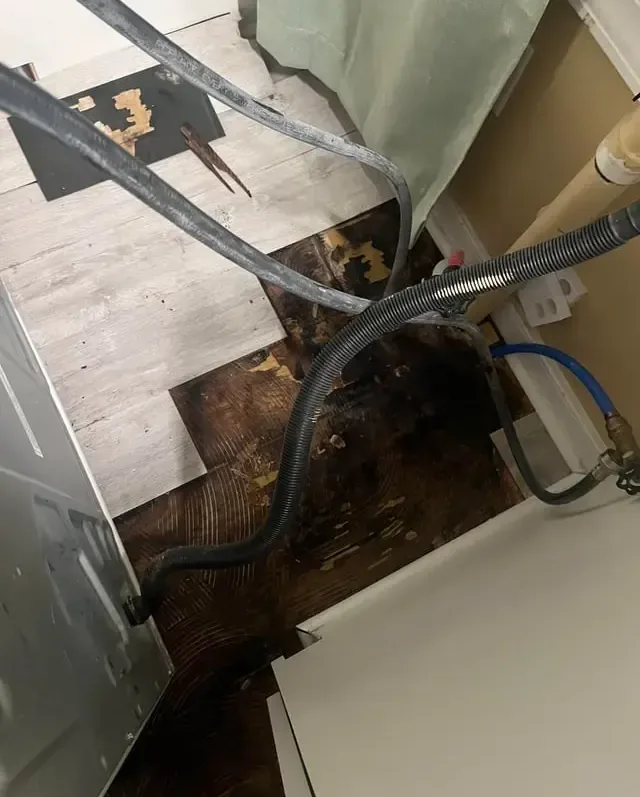 10Appliance Leak Water DamageWasher, dishwasher and refrigerator leaks hide under floors and cabinets, which is where drying gear goes.Open the scope
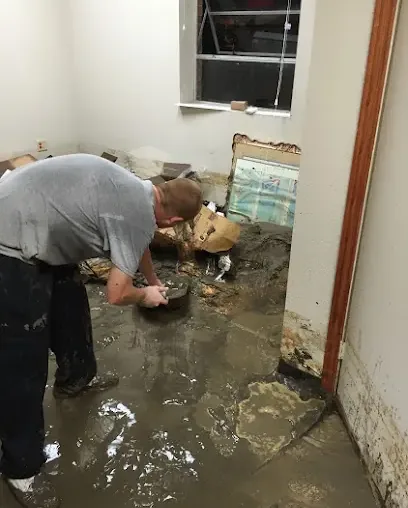 11Storm and Snowmelt Flood CleanupHeavy rain and spring snowmelt push water in through foundations and window wells, soaking floors, walls and belongings.Open the scope
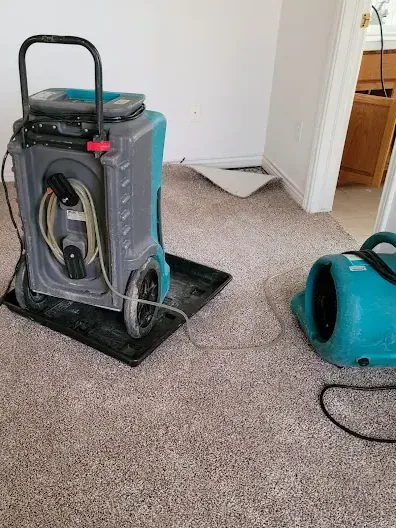 12Structural DryingMoisture readings set where air movers and dehumidifiers go and when framing and subfloors count as dry.Open the scope
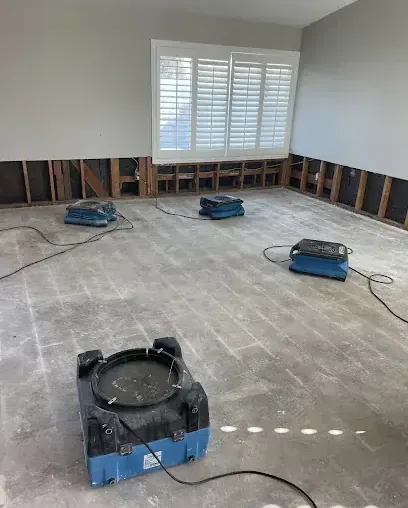 13Commercial Water DamageOffices, shops and public buildings get phased drying plans that keep unaffected areas working where possible.Open the scope
From the first call to a dry, documented property
Every job moves through four stages, so a household always knows what has been done and what comes next.
Call and triage
The first call sorts out what failed, where the water sits and whether power or sewage is involved, so the right equipment loads first.
Stop and extract
The source is shut off where possible, then pumps and wands remove standing water from floors, stairwells and finished lower levels.
Dry and monitor
Air movers and dehumidifiers run while meters track walls and subfloors, with readings logged at every visit until the structure is dry.
Repair-ready handoff
Ruined finishes come out, surfaces are cleaned, and the records are organized for the adjuster and for whoever rebuilds.
A crew that only does water and sewage
Water jobs go wrong when a crew is also juggling other kinds of damage, so the work here stays limited to water and sewage losses.
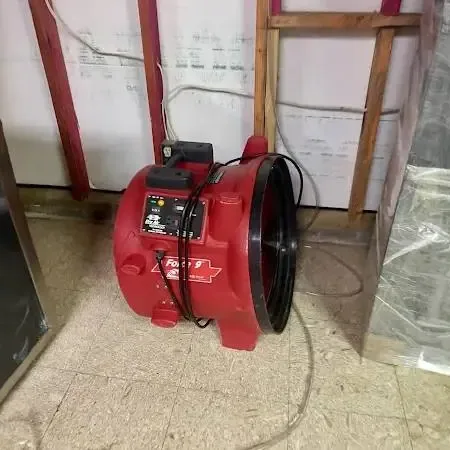
Water-only focus
Extraction, drying and sewage cleanup are the whole trade, so the equipment and routines are matched to wet buildings.
Measured drying
Meter readings, not guesswork, decide when air movers come off and when a wall is called dry.
Clear documentation
Photos and moisture logs are kept so an adjuster can follow what was wet, what was removed and why.
Homes and businesses
The same process scales from one bathroom floor to an office suite or a school corridor.
Careful drying that can be checked
Each loss is classed by how much water spread and what it touched, and the drying plan follows that class. Readings taken at each visit show whether the plan is working.
Gear that pulls water out of buildings
Extraction pumps
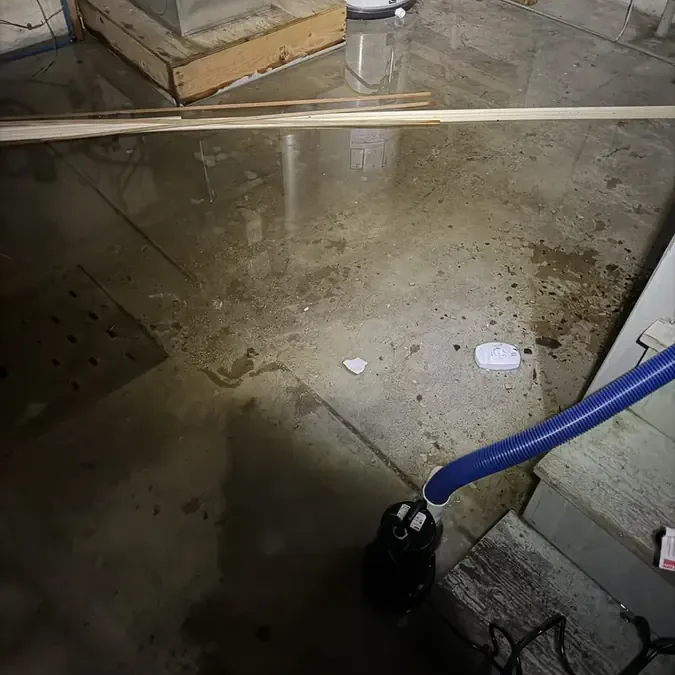
Submersible and portable pumps clear standing water from floors, stairwells and finished lower levels.
Air movers
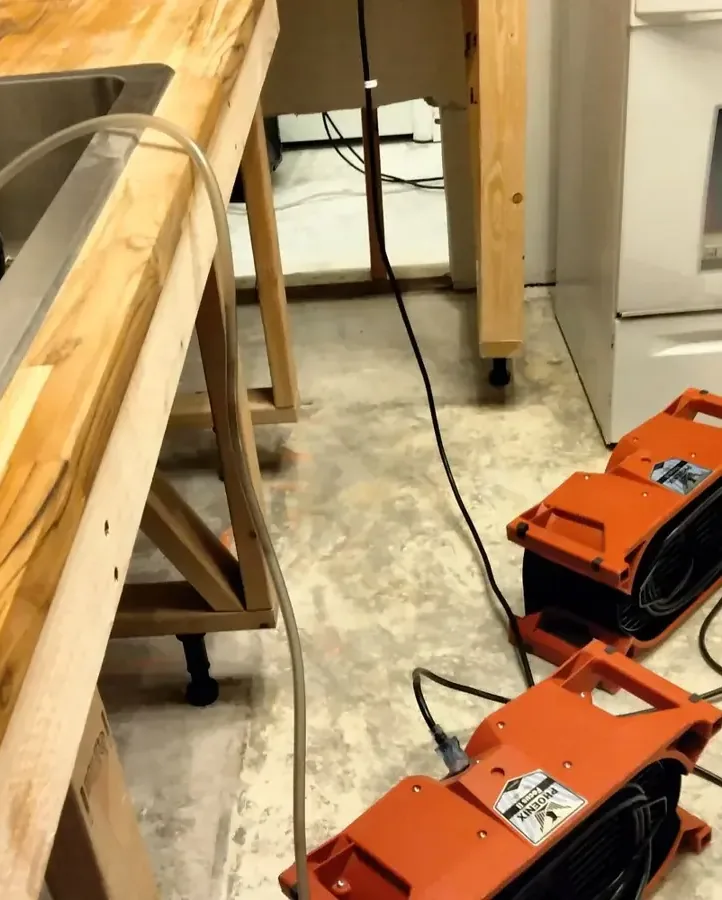
Low-profile fans push dry air across wet floors and wall bases so moisture leaves the surface and the framing.
Dehumidifiers
Refrigerant and desiccant units pull vapor from the air, keeping the drying loop moving instead of re-wetting walls.
Moisture meters
Pin and pinless meters plus thermal imaging map hidden moisture in drywall, framing and subfloors.
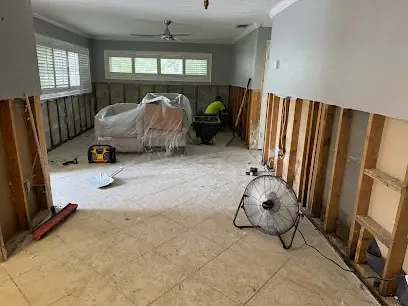
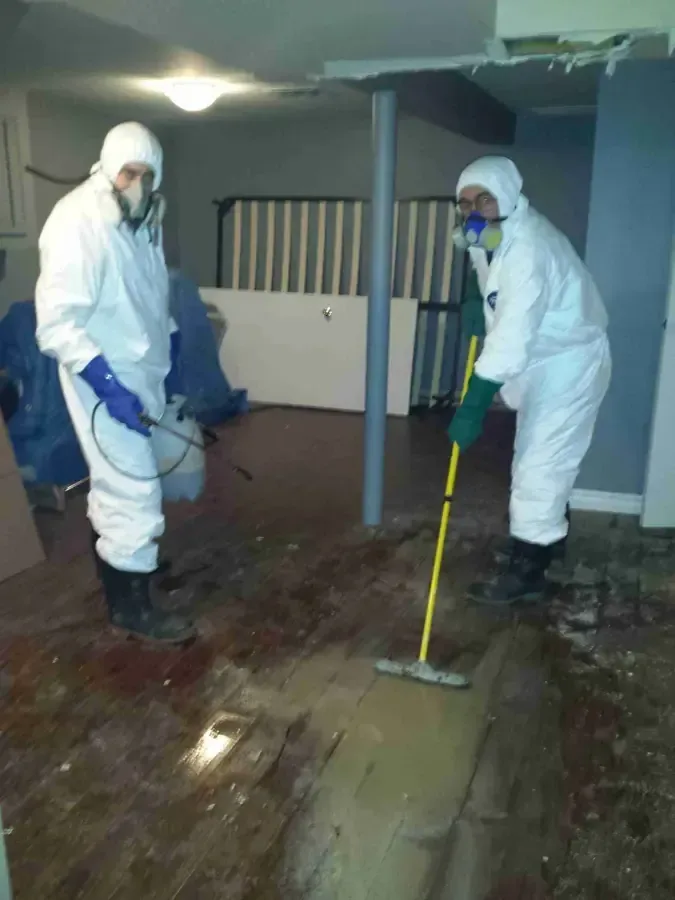
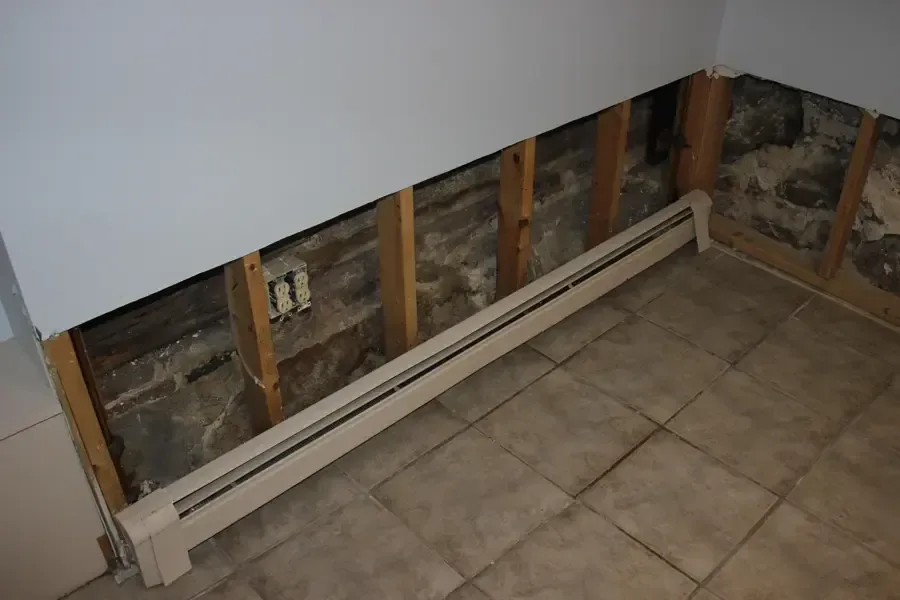
Typical conditions the crew finds and fixes during water cleanup
What does water damage restoration cost in Richfield, MN?
Cost depends on how much water entered, how long it sat and what it touched. Most losses fall between about $1,000 for a small clean-water spill and $30,000 for sewage or damage across two levels.
Small clean-water spill
- One room or a small area
- Water caught quickly
- Extraction and a short dry-out
Finished basement
- Carpet, padding and drywall removed
- Several days of monitored drying
- Contents moved and kept protected
Sewage or two levels
- Contaminated materials removed
- Water on more than one floor
- Cleaning plus full structural drying
Final pricing comes only from an on-site look at the affected area and materials, and insurance coverage varies with the policy and the cause of the loss.
Documenting a loss for the adjuster
A claim goes more smoothly when the damage is recorded before anything is thrown out. The crew documents each room as work proceeds.
- Photos of every wet room and surface
- Dated moisture readings for each affected room
- A list of damaged belongings and building materials
- Notes on when and how the leak began
- Receipts for any emergency repair work done
What a household can document
Before cleanup starts, a homeowner or tenant can photograph standing water, stained walls and affected furniture, then keep any ruined items until the adjuster has seen them.
Policies differ on sudden leaks, gradual seepage and sewage, so the policy wording and the adjuster decide what is covered, not the restoration crew.
Water damage service across Richfield, MN
Crews work in the 55423 ZIP code and along the main corridors that carry traffic through town.
ZIP code served
Work extends past the major roads into residential streets, where houses from the 1950s sit beside later additions and apartment buildings.
Main routes and landmarks
Nearby cities served
Reaching homes beyond the main routes
Anyone unsure whether a job falls inside the service area can check the wider service area or simply call.
Email for non-urgent questions: [email protected]
See all service areas (888) 432-4933Check the wider service areaFive steps that limit damage before the crew starts
- 1
Stop the source. Close the fixture valve or main shut-off if a pipe or appliance is leaking, and keep clear of standing water near outlets.
- 2
Mind the power. If water has reached outlets or cords, cut power at the panel only when the area around the panel is dry, otherwise wait for an electrician.
- 3
Photograph everything. Take wide and close shots of the water, stained surfaces and damaged belongings before anything is moved.
- 4
Lift what is safe. Move small furniture, rugs and electronics out of the wet area, and keep wet paper and fabric apart.
- 5
Call for help. Describe the source, the rooms affected and whether sewage is involved so the right equipment is ready.
What drives water damage in town
Richfield mixes houses from the 1950s, apartment buildings from the 1960s and early 1970s, and commercial corridors, so water damage here starts in several different ways.
Frozen service pipes
The city warns that cold Minnesota winters can freeze water service pipes, and the meter room or unfinished basement area should stay above freezing.
1950s single-family homes
Most of the roughly 10,000 single-family homes were built in the 1950s, and a city remodeling program keeps adding larger sections beside older framing.
Apartment leaks
Roughly 5,000 apartments from the 1960s and early 1970s mean a washer, dishwasher or ceiling leak in one unit can reach the unit below.
Commercial and public buildings
The Best Buy campus, Cedar Point Commons, schools and the ice arena show how loss here spans offices, retail and public space.
Spring hydrant flushing
Each spring the city flushes its 1,050 hydrants and tap water can briefly run discolored, which is normal, though sudden wet spots in a house still deserve a call.
Late April 2014
Soaking rain flooded basements across the Twin Cities, and a foundation specialist blamed clogged gutters, sloping grade and a high water table.
Three emergencies worth knowing in advance
Some water problems follow the seasons and others show up without warning, so these three deserve a plan before the first drip or the first backup.
Burst pipes in cold weather
Freezing temperatures can split a supply pipe inside a wall or a basement ceiling, and the thaw releases the water all at once.
Burst pipe cleanupA failed sump pump
When the pump stops during heavy rain, the pit overflows and the water spreads across the lowest level of the house.
Sump pump failure helpSewage in the basement
A backup from a floor drain is contaminated water, so it calls for protective gear and removal of anything porous it reached.
Sewage backup responseCommon water damage questions
Water in the house right now?
Waiting makes wet drywall, insulation and flooring harder to save, so a call right now usually beats a guess later.
(888) 432-4933 (888) 432-4933Send a crew to the houseWhat should happen first after water enters a home?
The source is stopped, the main shut-off is closed if needed, and power near standing water is treated as unsafe. After that, extraction starts so the water does not soak into floors, walls and furniture.
How soon can mold start growing after a leak?
Growth can begin in the 24 to 48 hour range when materials stay wet, which is why drying starts right away instead of waiting for the leak to be repaired.
Does the crew clean up sewage backups?
Yes. Sewage is handled as a contamination job, with protective gear, extraction, removal of porous materials that touched it and cleaning of the surfaces that remain. See sewage backup cleanup.
Is discolored tap water after hydrant flushing a sign of water damage?
Not by itself. The city flushes its hydrants each spring, starting in May, and says discolored water can occur and clears once the cold tap runs a few minutes. Wet walls or floors are a different matter.
What does the city advise for a frozen service pipe?
Richfield Public Works says to warm the area slowly with a space heater or hair dryer, never a blowtorch, and to call a qualified contractor. No running water anywhere in the house, with valves open, is the sign.
Who pays for water damage cleanup?
That depends on the policy and the cause. Sudden events such as a burst pipe are often covered, while slow seepage often is not, so the adjuster decides. The crew records the damage so the claim has support.
Can apartments and rental units be dried the same way?
Yes, though the work often reaches more than one unit. A leak upstairs can wet the ceiling and walls below, so both units are checked with meters before drying equipment is placed.
How long does structural drying take?
Most jobs need several days of equipment time, and dense materials such as hardwood or subfloors can take longer. Meter readings, not the calendar, decide when the equipment leaves.
Does the crew work on commercial buildings?
Yes. Offices, retail spaces and public buildings get phased plans that dry the affected areas while keeping the rest of the building in use where it is safe.
How does a household get started?
Call at any hour, describe the source and the rooms involved, and mention sewage if there is any. The crew explains the next steps and what to photograph in the meantime.
Start the dry-out before the damage spreads further
Call at any hour, describe what happened, and the crew sets the drying plan in motion.
(888) 432-4933Call to begin the dry-out