Structural Drying in Cottage Grove, MN
After the visible water is gone, wet framing, subfloor and drywall still hold moisture. Structural drying uses air movers, dehumidifiers and daily readings to bring those materials back to normal before anything is rebuilt.
(888) 432-4933Call about drying a wet home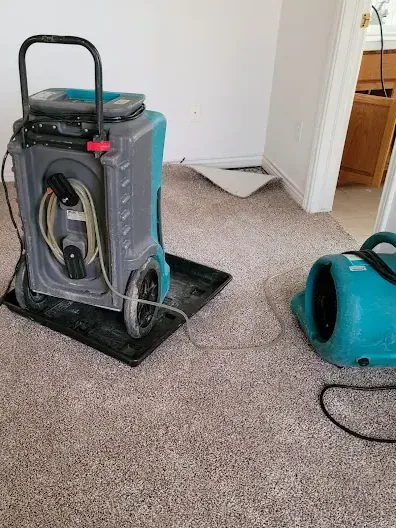
Why the drying standard matters for structural drying
Dispatch at any hour
Active water is treated as urgent around the clock, weekends and holidays included, because drywall and carpet pad keep wicking while the water sits.
Dried to IICRC S500
The drying team sizes air movers and LGR dehumidifiers to the class of loss and leaves them running until the readings, not the surface, say dry.
A claim file from day one
Timestamped photos before demolition, a moisture map and daily psychrometric logs give the adjuster a clear record of the loss.
Built for cold-climate homes
Finished basements, frozen supply lines, ice dams and sump pits drive most losses here, so the extraction crew arrives equipped for them.
First moves for structural drying
Safe steps for the household while the water is still moving and before the crew is on site.
- 1
Map the moisture. Meters and cameras mark every wet material.
- 2
Set the equipment. Air movers and dehumidifiers are placed for the loss.
- 3
Read it daily. Readings are logged and equipment moves as needed.
- 4
Finish at dry goal. Equipment comes out once materials match dry readings.
What does structural drying cost in Cottage Grove, MN?
Drying runs $1,000 to $2,500 for one small room, $2,500 to $6,000 for a lower level, and $6,000 to $10,000 for dense materials such as hardwood.
One room, Class 1 or 2
- Single wet room
- Few materials soaked
- Short equipment run
Lower level, Class 2 or 3
- Several rooms wet
- Walls and subfloor involved
- Several days of drying
Dense materials, Class 4
- Hardwood or plaster
- Deep moisture
- Specialized drying
Ranges are typical, not a quote: the water category, square footage, material class and how fast drying started move the number most. The water damage cost calculator gives a closer range, and coverage depends on your own policy.
How the crew handles structural drying
Map
Meters mark the wet areas.
Place
Equipment is set for the loss.
Monitor
Readings are logged daily.
Release
Equipment leaves at the dry goal.
Dry to the touch is not dry. Drywall, framing and subfloor can hold moisture for weeks after the surface feels fine, which is how musty smells, warped floors and new stains appear after a repair was supposed to be finished.
How the drying is planned
The crew measures the wet materials, sets air movers to push dry air across them and adds dehumidifiers to take moisture out of the room. Equipment is placed by the size and class of the loss, not by a standard formula.
- Moisture mapped with meters and thermal cameras
- Equipment placed by room size and wet area
- Readings logged daily and equipment adjusted
When the job is done
Drying ends when the wet materials match a dry reference reading, not when the calendar says so. The final readings go into the file, which gives the homeowner and the adjuster the same record.
Standing water comes out first through water extraction, and the same drying plan supports a storm flood cleanup.
What drives the cost
Price follows the class of the loss, the number of rooms and the days of equipment time. Dense materials such as hardwood, plaster and thick framing hold water longer and push a job toward the top of the range.
Structural drying across Cottage Grove and nearby towns
Drying crews set up across ZIP 55016, from River Acres and Grey Cloud Island to homes and shops near U.S. Highways 10 and 61, in every case after the standing water has been removed from the floor.
The same service nearby: structural drying in Farmington, Burnsville, Richfield.
Every water damage service for this townStructural Drying questions
Still dealing with it?
Water gone but walls still damp? Say what got wet and when you call.
(888) 432-4933 (888) 432-4933Cottage Grove structural drying helpHow long does drying take?
Most jobs run several days, though dense materials such as hardwood and plaster can take longer. Daily readings show when the materials reach their dry goal.
Is the noise from equipment normal?
Yes. Air movers and dehumidifiers run around the clock during drying, and the sound is part of how moisture leaves.
Can a house be dried without running the heat?
Warm air dries faster, so crews often ask that the heat stay on. Dehumidifiers also add some warmth to the room.
What is the difference between Class 1 and Class 4?
Class 1 is a small area with low-porosity materials, while Class 4 involves dense materials such as hardwood or plaster that hold deep moisture and need specialized drying.
Does drying prevent mold?
Fast, complete drying removes the damp conditions mold needs, and the 24 to 48 hour window is when growth can start, so crews begin drying quickly.
How is dry confirmed?
Meter readings on the wet materials are compared with a dry reference reading from unaffected materials in the same house. When they match, the job is done.
Finish the job with a measured dry-out
Equipment, readings and a written log keep drying on schedule from the first day to the last.
(888) 432-4933Call for drying help