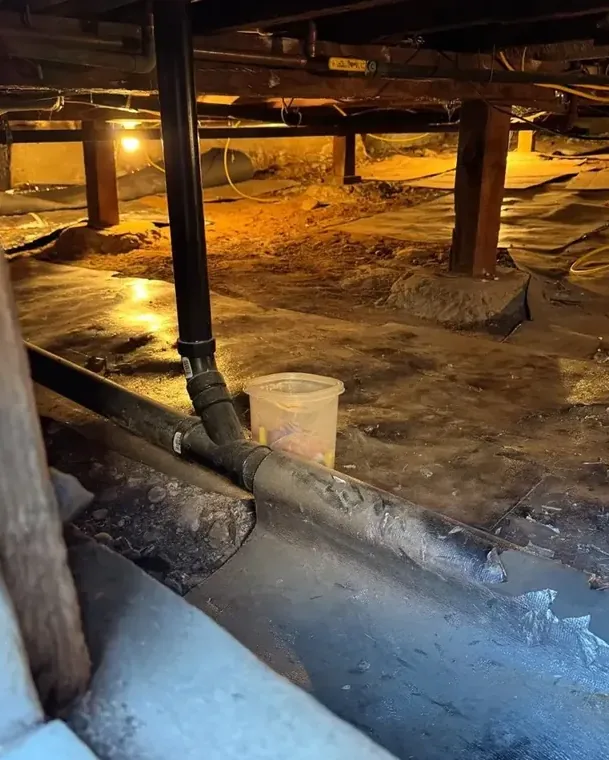
Spring water reaches a Northfield lower level in two very different ways. One is the Cannon River rising with snowmelt, and the other is local storm drainage that backs up or overflows in a smaller area. The source decides how the water is classed, what comes out of the house and what should be written down before cleanup begins.
Key takeaways
- River water and neighborhood drainage water are separate problems, and the cleanup plan starts by working out which one reached the house.
- In April 2023 melting snow fed the Cannon River and triggered the first flood warning of the year in Minnesota.
- The city reviewed localized flooding unrelated to the river in 2020 and found most of it in smaller areas with undersized or missing infrastructure.
- Water that has crossed yards, soil or storm drains is treated as contaminated, so porous materials are usually removed.
- Note where the water entered, the time and the weather before anything is moved.
Two kinds of spring water in Northfield
The Cannon River runs right through downtown Northfield, and the city is roughly centered on it, rising to the east and west. When snowmelt feeds the river, water can build slowly over days.
That is what happened in early April 2023, when melting snow fed the river and set off the first flood warning of the year in Minnesota. Some standing water was already showing before the river crested.
Local drainage is a different story. It is storm water that backs up or overflows in a smaller area, often during a hard rain or a fast melt, with no river involved.
Both kinds use the same weak points. A window well that fills with melt water and has no working drain pushes water against the glass and then inside.
A floor drain can back up when storm drains are full, and that water is contaminated from the start. A sump pit, if the house has one, carries the load of a long melt, and a power loss or a stuck float sends the overflow onto the floor.
What the city found about local flooding
In 2020 the city updated its Surface Water Model and reviewed known flooding issues that are not tied to Cannon River flooding.
The city says most of those areas are smaller spots where undersized or missing infrastructure and emergency overflows put structures at risk. A $1.14 million neighborhood flooding project grew out of that work.
None of this names a street that floods, and none of it should be read as a map of wet basements. It shows that water problems in town are not all river problems.
How to tell which kind reached the house
The pattern of the water usually points to the source. Many lower levels show a mix, and the crew treats the water as contaminated until it is clear that it is not.
Signs of river water
- Water rose slowly over hours or days while a river or flood warning was active.
- A silt or mud mark sits on the walls and floor.
- Water came from several low points at once.
Signs of local drainage
- Water arrived fast during a hard rain or a quick melt.
- It came up through a floor drain or in at a window well.
- One wall or corner is wet while the rest of the level is dry.
What a crew checks first when the source is unclear
A moisture meter and a few questions settle most of it. The answers also go into the written record for the insurer.
- Where the water entered: a wall, a window well, a floor drain or the sump pit.
- How high it reached on the walls and on stored items, and whether a silt mark is present.
- Whether the water looks gray or brown, or smells of sewage.
- How quickly it arrived, and what the weather and the river were doing at the time.
- Whether neighbors report the same problem.
Why the source changes the cleanup
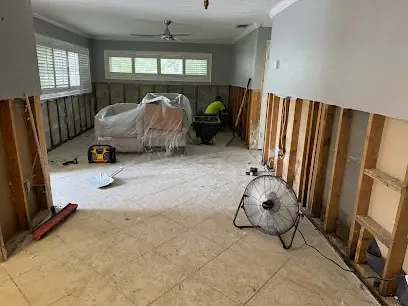
Clean melt water that seeped through a foundation wall is one thing. Water that crossed yards, soil or storm drains on the way in is another, and the IICRC S500 standard classes it as contaminated.
That classing decides what leaves the house. Carpet, pad, insulation and wet drywall that touched contaminated water are removed, and hard surfaces are cleaned and treated before drying starts.
Water that sat in a wall cavity or under carpet for a day is not the same water that came in. It picks up dirt and microbes from porous materials, which is why prompt removal matters even when the source looked harmless.
Extraction comes first either way. The steps for each case are laid out under basement flooding cleanup and storm and snowmelt flood cleanup.
First steps in a wet lower level
The first stretch after the water appears decides how much can be saved.
- Turn off power to the level at a dry panel, or have a qualified electrician do it.
- Stop adding water: pause laundry, dishwashers and long showers if a drain is slow.
- Photograph the water, the walls and the floor drain before moving anything.
- Note the time, the weather and any flood warning in effect.
- Lift valuables and boxes off the floor.
Records, timing and coverage
Mold can start on damp porous material in 24 to 48 hours, so extraction and drying should begin before the claim is sorted out.
Insurers often treat river flooding, drain backup and seepage under different coverage, so the written story of where the water came from matters. A snowmelt flood cleanup crew keeps photos and daily moisture readings for that purpose.
For the city side of the story, the Northfield page lists the services offered here.
- The date and time the water appeared.
- Photos of the entry point and the high water mark.
- Weather notes and any flood warning in effect.
- The daily moisture log from the drying crew.
Questions
Is the Cannon River the usual cause of wet Northfield basements?
Not always. When the city reviewed localized flooding, it found problems that are separate from river flooding, mostly in smaller spots with undersized or missing infrastructure.
Did the April 2023 melt flood homes?
The record shows snowmelt feeding the Cannon River and the first flood warning of the year in Minnesota, with some standing water before the crest. It does not report which homes took water.
Should a sump pump be checked before the melt?
Yes, if the house has one. Test it, clear the discharge outlet and make sure the power supply is sound.
Does the city project make a house safe from water?
No project can promise that a particular house stays dry. The city describes upgrades for known localized flooding, and a wet lower level still needs a proper response.
Who decides whether the water is river or local?
The crew reads the pattern: how fast the water rose, where it entered and what it carried. The insurer may ask for the same details.
What if the water was only clean melt?
Clean melt water that seeps through a wall is less contaminated at first. It still picks up contamination from carpet, pad and framing as it sits, so extraction and drying should not wait.