Structural Drying in Northfield, MN
Pulling out the water is only half the job. Dehumidifiers and air movers draw the moisture out of framing, subfloors and walls, and daily readings decide when the equipment can leave and the rebuild can start.
(888) 432-4933Set up the drying equipment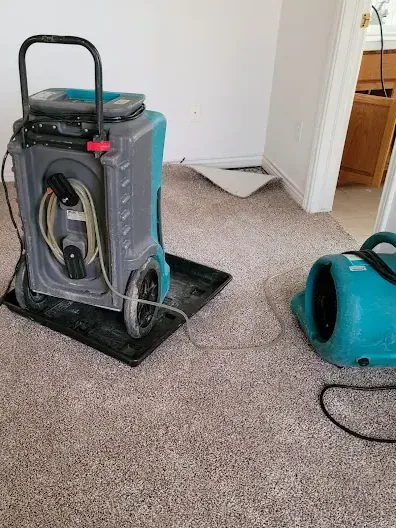
Why the drying standard matters for structural drying
Dispatch at any hour
Active water is treated as urgent around the clock, weekends and holidays included, because drywall and carpet pad keep wicking while the water sits.
Dried to IICRC S500
The drying team sizes air movers and LGR dehumidifiers to the class of loss and leaves them running until the readings, not the surface, say dry.
A claim file from day one
Timestamped photos before demolition, a moisture map and daily psychrometric logs give the adjuster a clear record of the loss.
Built for cold-climate homes
Finished basements, frozen supply lines, ice dams and sump pits drive most losses here, so the extraction crew arrives equipped for them.
First moves for structural drying
Safe steps for the household while the water is still moving and before the crew is on site.
- 1
Map the moisture. Meters and a thermal camera mark every wet surface.
- 2
Place the equipment. Dehumidifiers and air movers go in by room.
- 3
Check daily. Readings show how each material is drying.
- 4
Remove at dry. Equipment leaves when the numbers match dry reference points.
What does structural drying cost in Northfield, MN?
Structural drying costs $1,000 to $10,000. One room costs the least, a lower level sits in the middle, and dense materials that need Class 4 drying cost the most.
One room, Class 1 or 2
- Few machines
- Short run
- Basic readings
Lower level, Class 2 or 3
- More dehumidifiers
- Wall cavities dried
- Daily logs
Dense materials, Class 4
- Specialty equipment
- Longer run time
- Close monitoring
Ranges are typical, not a quote: the water category, square footage, material class and how fast drying started move the number most. The water damage cost calculator gives a closer range, and coverage depends on your own policy.
How the crew handles structural drying
Map
Wet areas are charted with meters.
Set
Equipment is placed by room.
Track
Readings are logged daily.
Release
Equipment leaves at dry.
A floor that feels dry can still hold water in the subfloor, and a wall that looks fine can hide wet insulation. Structural drying exists to find that moisture and remove it before repairs close it in.
How the drying plan is built
The crew maps moisture with meters and a thermal camera, sorts the affected rooms by water class and sizes the equipment to match. Low-grain dehumidifiers pull vapor out of the air, while air movers keep dry air sweeping across wet surfaces.
- Meters chart each wet wall and floor
- Equipment is placed by room and class
- Readings are logged on every visit
Why rebuilding waits
Closing in wet framing traps moisture and invites mold in 24 to 48 hours or longer. Drying also comes first because rebuilt work in Northfield falls under the 2020 Minnesota Building Code that the city has adopted, so repairs should go onto dry framing.
The final readings show when the equipment can leave.
What a dry-out looks like day to day
Visits are short but regular. The crew checks readings, moves equipment and adjusts airflow, and thicker materials such as hardwood take longer than carpet. See basement flooding cleanup or water extraction for the work that comes first.
Structural drying across Northfield and nearby towns
Drying setups run across ZIP 55057, including downtown buildings around Bridge Square, homes on the north edge, the west edge near St. Olaf College, the Carleton College area and the Sibley Swale Park area.
The same service nearby: structural drying in Farmington, Burnsville, Shakopee.
Every water damage service for this townStructural Drying questions
Still dealing with it?
Water gone but the floor still damp? Moisture in the framing keeps working.
(888) 432-4933 (888) 432-4933Ask about the drying readingsHow long does structural drying take?
Several days is common. Dense materials such as hardwood and plaster take longer, and the readings, not a fixed schedule, decide when it ends.
Why are the machines so loud and warm?
Dehumidifiers and air movers run hard to pull vapor from the air, and they give off heat. Both are normal while the building is drying.
Can the equipment be turned off at night?
Stopping it lets moisture settle back into the materials. Leaving it running keeps the drying curve on track.
How do you know the building is dry?
Meters are checked against readings from an unaffected part of the same building, and drying ends when the wet areas match them.
Does drying affect my power bill?
Running equipment draws power, and the crew can note its use on the records, which some insurers ask about.
Can drying start before cleanup is finished?
On clean water it often starts right away. Contaminated water needs removal and cleaning first, as covered under sewage backup cleanup.
Dry the structure fully before anyone closes it in again
Crews place the equipment, log the readings and stay until the meters agree.
(888) 432-4933Schedule the drying setup